المدونة
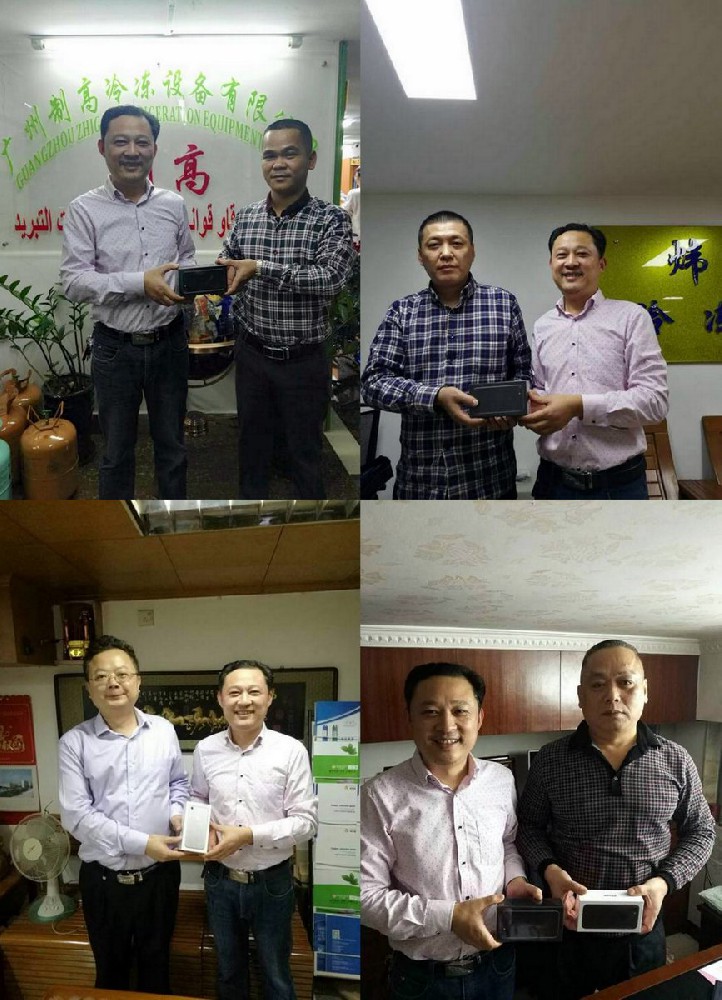
بناءً على أداء الشركة، اختارت مكتب جينديان للتبريد في غوانزو موزعيها المتميزين لعام 2016. من منظور استراتيجية التنمية المستدامة طويلة الأجل للشركة، وفي ظل الواقع الحالي، فإن المنافسة السطحية في السوق لا يمكنها سوى الحفاظ على الجاذبية على المدى القصير؛ فقط من خلال إنشاء قنوات تسويقية سليمة وتنمية القدرة التنافسية الأساسية عبر علاقات العملاء، يمكن للشركة ضمان حيويتها على المدى الطويل. وبما أن التجار هم الرابط الأكثر مباشرة بين الشركة والمستهلكين، فإن حوافز نهاية العام لا تعزز دافعية المبيعات لدى التجار فحسب، بل تمكن الشركة أيضًا من فهم أعمق لاحتياجات المستهلكين. هذا يسهل التعديلات الاستراتيجية والابتكار في منتجات الشركة، مما يؤدي في النهاية إلى وضع مربح للجميع: الشركة والتجار والمستهلكون.
لهذا الغرض، كرّم مكتب غوانزو لـ Honry HeatEX عشرات التجار المتميزين في منطقة قوانغدونغ لشكرهم على مساهماتهم في أداء المبيعات وتعزيز العلامة التجارية لـ Honry HeatEX في عام 2016.
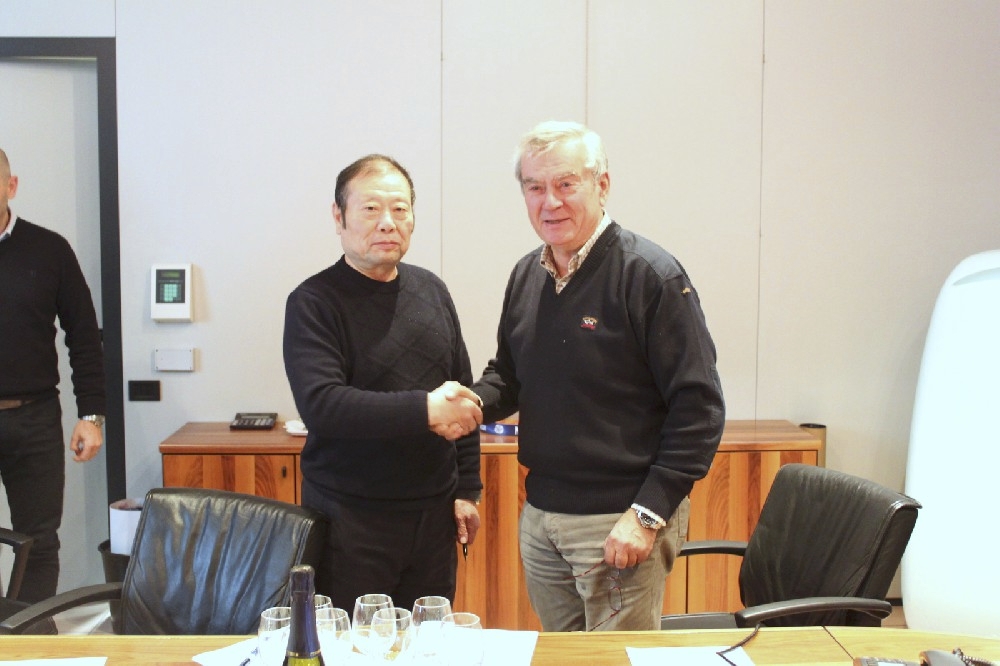
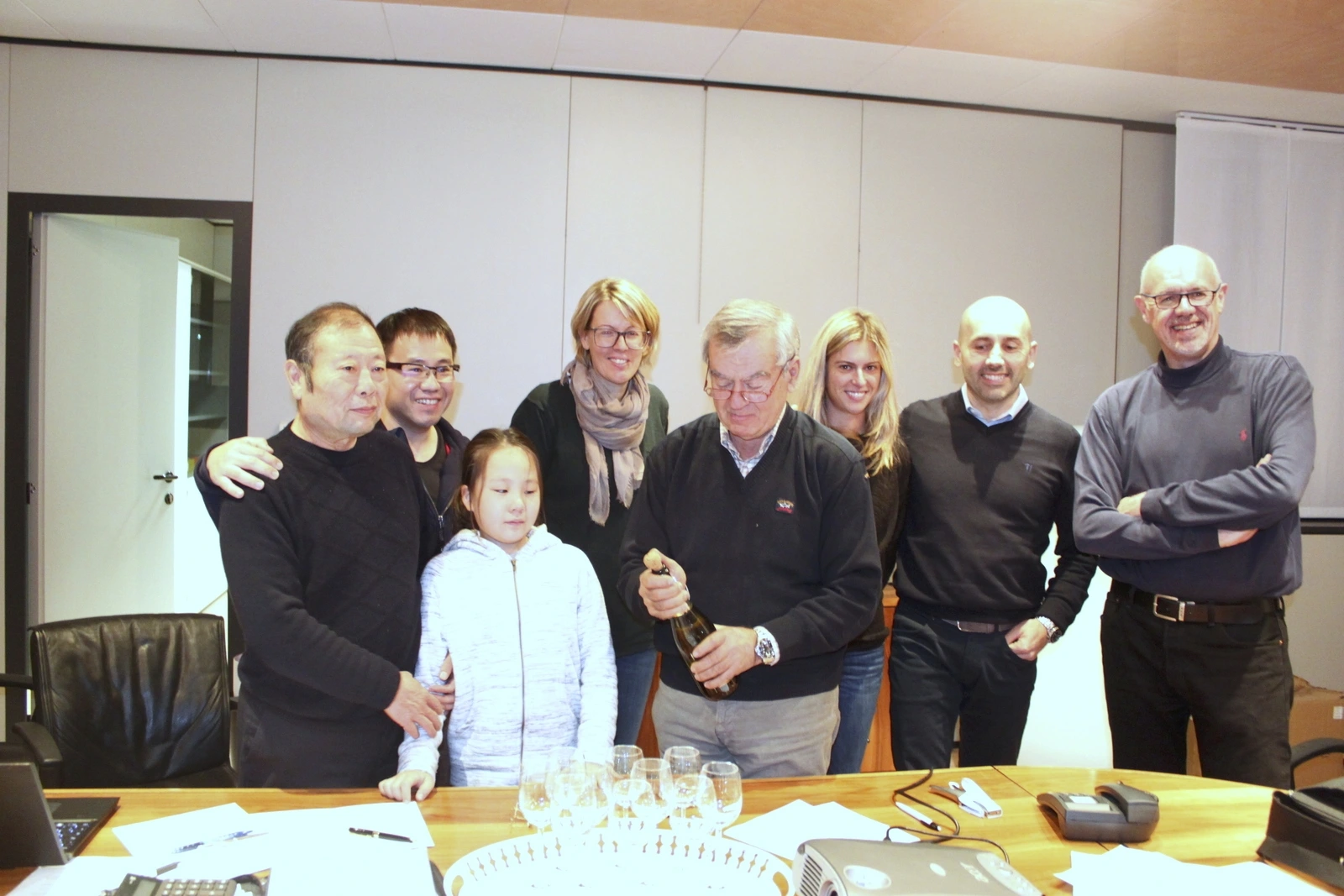
في الفترة من 11 إلى 13 ديسمبر 2016، قاد السيد شو ونلونغ، المدير العام لشركة جيانغسو هونري هيتإكس الصناعية المحدودة، وفدًا يضم صهره السيد تشنغ يويانغ؛ والسيد وان تشوان، مدير قسم R؛ والسيد شو وي، مدير القسم الفني، لزيارة شركة أوندا في إيطاليا لمناقشة أمور التعاون بينهما.
من خلال توحيد الجهود وتكامل الموارد والاستفادة من نقاط القوة لدى كل منهما، خطت الشركتان خطوة كبيرة نحو التدويل وعولمة منتجاتهما. سيؤدي هذا التعاون إلى تحسين شامل في العمليات التقنية والعتاد والقدرات التصنيعية لـ Honry HeatEX، مما سيمكن مبادلات الحرارة التابعة لـ جينديان من الوصول بسرعة إلى معايير عالمية. وسيسرع دخول مبادلات الحرارة التابعة لـ جينديان-أوندا بشكل كامل إلى السوق الآسيوية، وسيضع الأساس للتعاون مع شركات التكييف الصينية الرائدة مثل كارير ويورك.
أوندا، ومقرها في إيطاليا، تدير مصانع مبادلات حرارية ذات نطاق كبير في كل من إيطاليا والولايات المتحدة، ولها شركات تابعة في روسيا وفرنسا، وتُباع منتجاتها في جميع أنحاء أوروبا والأمريكتين. ومن خلال شراكتها مع جينديان للتبريد، حصلت أوندا على إمكانية الوصول إلى الأسواق الصينية والآسيوية، وبالتالي حققت عولمة مجموعتها من المنتجات.

توقيع العقد رسميًا
مقدمة عن شركة أوندا S.p.A.

أوندا، إيطاليا: شركة رائدة عالميًا في مجال مبادلات الحرارة
مقرها في لونيجو بإيطاليا، تدير أوندا أربعة مواقع تصنيع في شمال شرق إيطاليا. كما أنشأت الشركة مصنعًا جديدًا في كولومبوس، أوهايو، في شمال الولايات المتحدة، وتحتفظ بمكاتب مبيعات في فرنسا وروسيا. تخدم أوندا العملاء في جميع أنحاء العالم.
- مبادلات حرارية ذات غلاف وأنبوب: مبخرات من النوع الجاف ومبخرات مغمورة؛ مكثفات ومكثفات مياه البحر؛ تبريد بالتبخير:
- مبادلات حرارية صفائحية: مكثفات المياه؛ تبريد بالتبخر:
- مبادلات حرارية للهواء: مكثفات محورية؛ مبردات من النوع الجاف، مبردات هوائية
- معدات مبادلات حرارية مخصصة
لتلبية متطلبات مختلف البلدان، تحمل شركة أوندا شهادات لمعظم المعايير العالمية للتطبيقات المدنية والبحرية: CE؛ ASME؛ UL؛ CRN؛ AS1210؛ GOST؛ DNV+GL؛ ABS؛ BV؛ LRS؛ RINA؛ RMRS؛ CCS؛ KRS؛ NK
خطط للتطوير المستقبلي
من المقرر أن تنتقل شركة جيانغسو هونري هيتكس الصناعية المحدودة إلى مصنع جديد بمساحة 15,000 متر مربع في عام 2017. ستغطي منطقة إنتاج المبادلات الحرارية أكثر من 12,000 متر مربع، بينما ستغطي منطقة أنابيب عالية الكفاءة أكثر من 3,000 متر مربع. سيؤدي ذلك إلى إنشاء أحد أكثر خطوط الإنتاج تطورًا في البلاد حاليًا. من المتوقع أن تصل الطاقة الإنتاجية السنوية للمبادلات الحرارية إلى 200–300 مليون يوان صيني (RMB)، بينما من المتوقع أن تصل طاقة إنتاج الأنابيب عالية الكفاءة إلى 3,000–5,000 طن. في إطار الشراكة بين جين ديان وأوندا للفترة من 2017 إلى 2019، ستقدم أوندا طلبيات بقيمة تزيد عن 10 ملايين يورو سنويًا، وتُوجَّه المنتجات إلى أسواق آسيا والشرق الأوسط.
خلال فترة الشراكة، سيكون التركيز على البحث والتطوير والتصنيع لمبادلات حرارية لمياه البحر. يتم توريد مبادلات حرارية من أوندا حاليًا إلى سفن بحرية إيطالية، وسيسهل هذا التعاون أيضًا الإمداد المحتمل لشركة هونري هيتكس إلى البحرية الصينية.
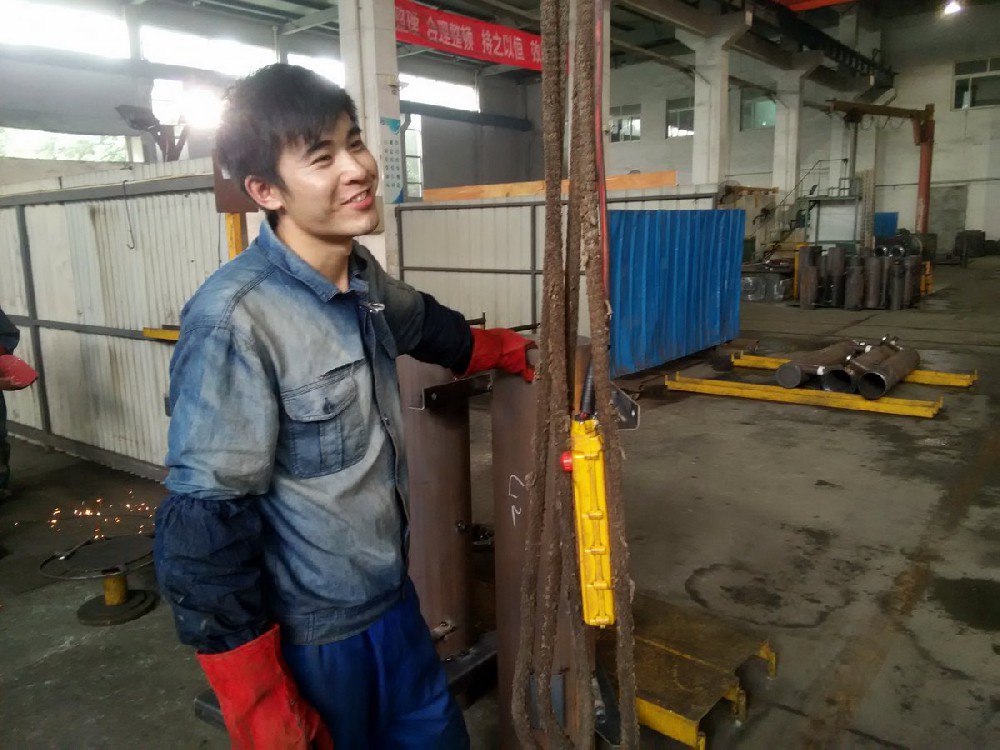
مع حلول أيام الصيف الحارة، أصبح الطقس لاهبًا وخانقًا، ومع ذلك يظل كل فرد من فريق العمل في الورشة ثابتًا في موقعه رغم الحرارة. لضمان إنجاز الطلبيات من نانجينغ تيانجيا وتشونغتشينغ ميديا في الوقت المحدد وبالجودة المطلوبة، تقدّم ثلاثة أفراد من قسم الإنتاج—تشانغ هاينان، روي تشاوبين، وياو غوهونغ—بالتطوع للعمل ساعات إضافية حتى الثالثة صباحًا. كانت الحرارة اللاهبة قد أصابت بدلات اللحام الخاصة بهم بالبلل والالتصاق بأجسادهم، لكنهم لم يأبهوا بذلك، وواصلوا العمل حتى انتهوا من المهمة. كانوا يعلمون أن تحقيق أهداف الإنتاج ليس مجرد واجب عليهم، بل هو مهمتهم.

مهما ارتفعت درجة الحرارة، لم يشكوا أبدًا من الحرارة أو من الصعوبة، ولم يتذمروا أو يلوموا الآخرين؛ بل بذلوا قصارى جهدهم لأداء مهامهم اليومية على أفضل وجه. كل منتج يُصنَع بواسطة جين ديان يعكس جهد وعرق كل موظف، ويعكس قيمته الشخصية. وبفضل الروح الفريدة لكل من تشانغ هاينان، روي تشاوبين، وياو غوهونغ—المميزة بقدرتهم الاستثنائية على تحمل المشقة، وروحهم القتالية، وتفانيهم—وجهودهم غير الأنانية والدؤوبة، استمر الإنتاج في الورش بشكل سلس طوال الصيف الحار، مما ضَمِن تسليم المنتجات في الموعد المحدد.
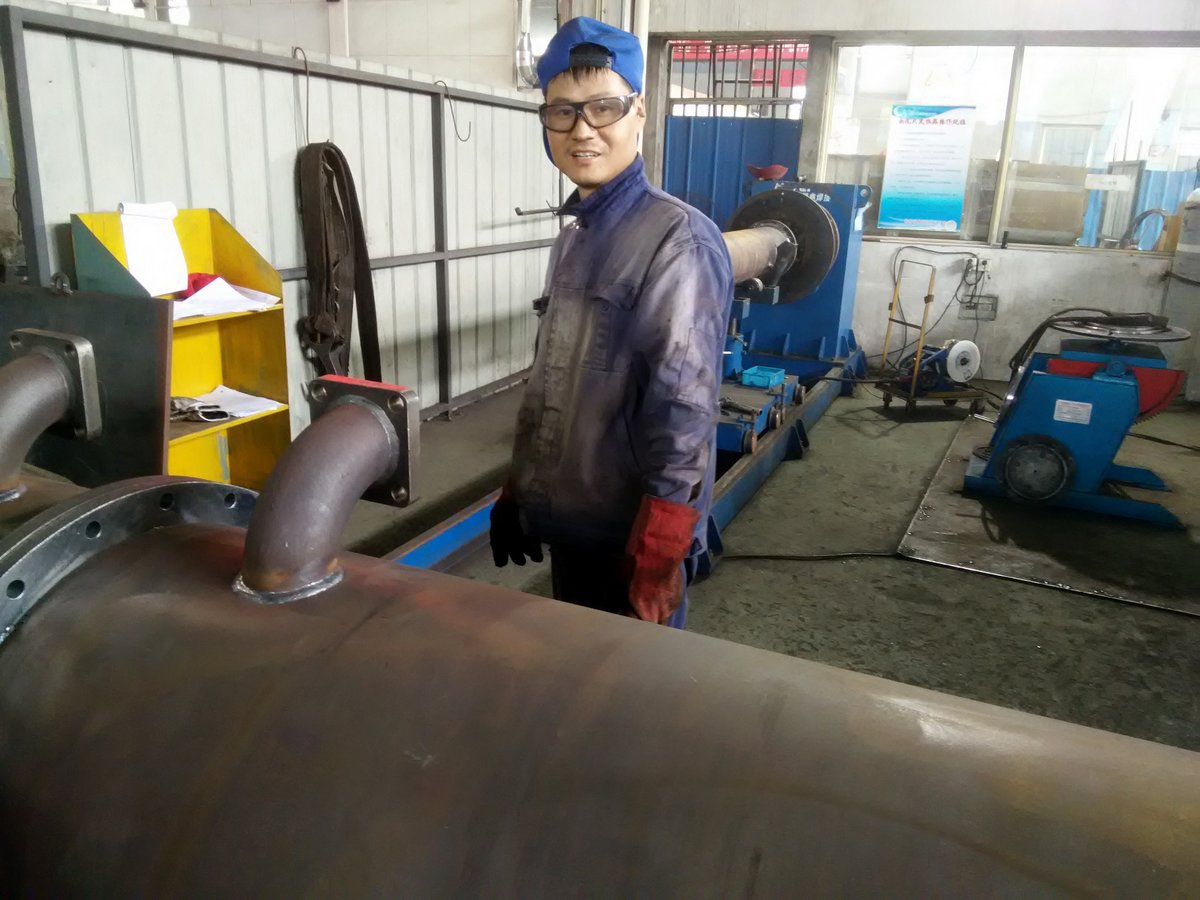
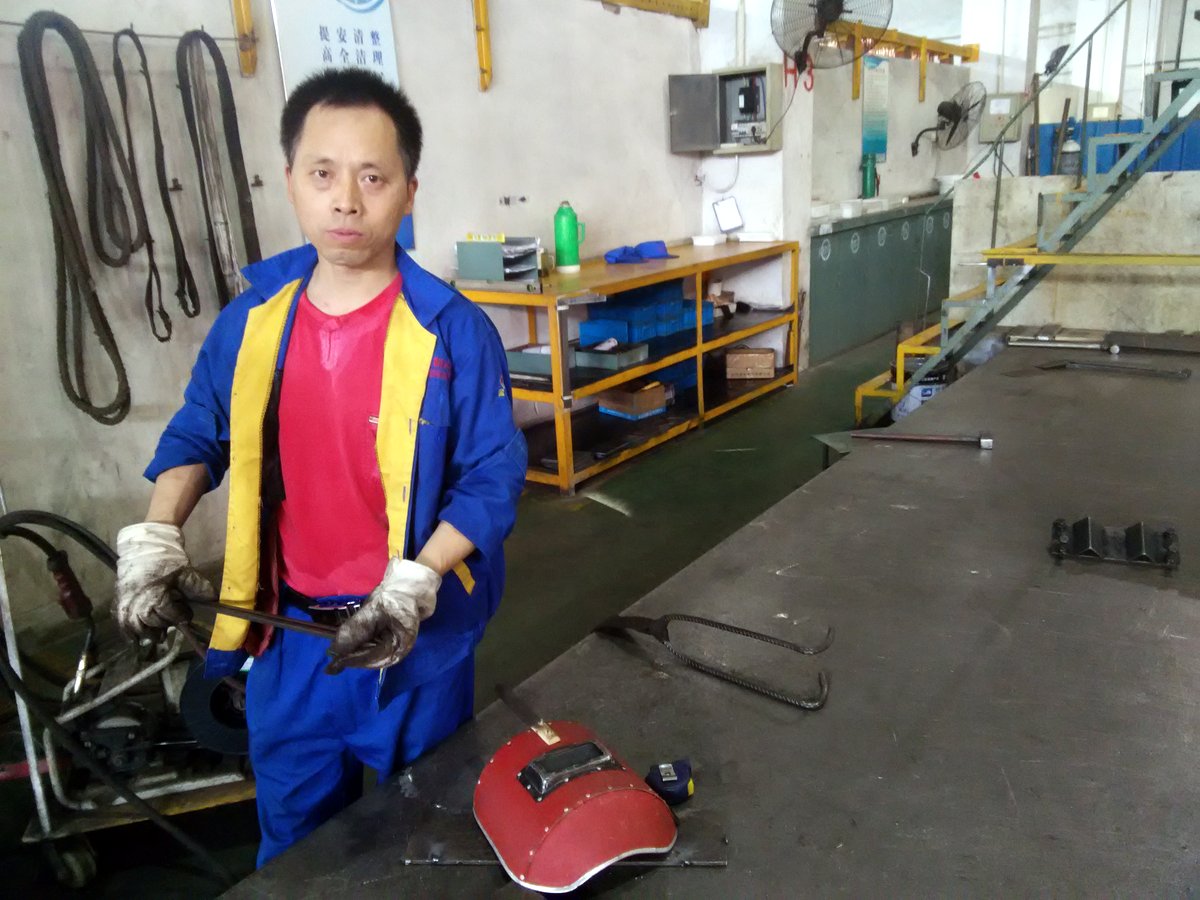
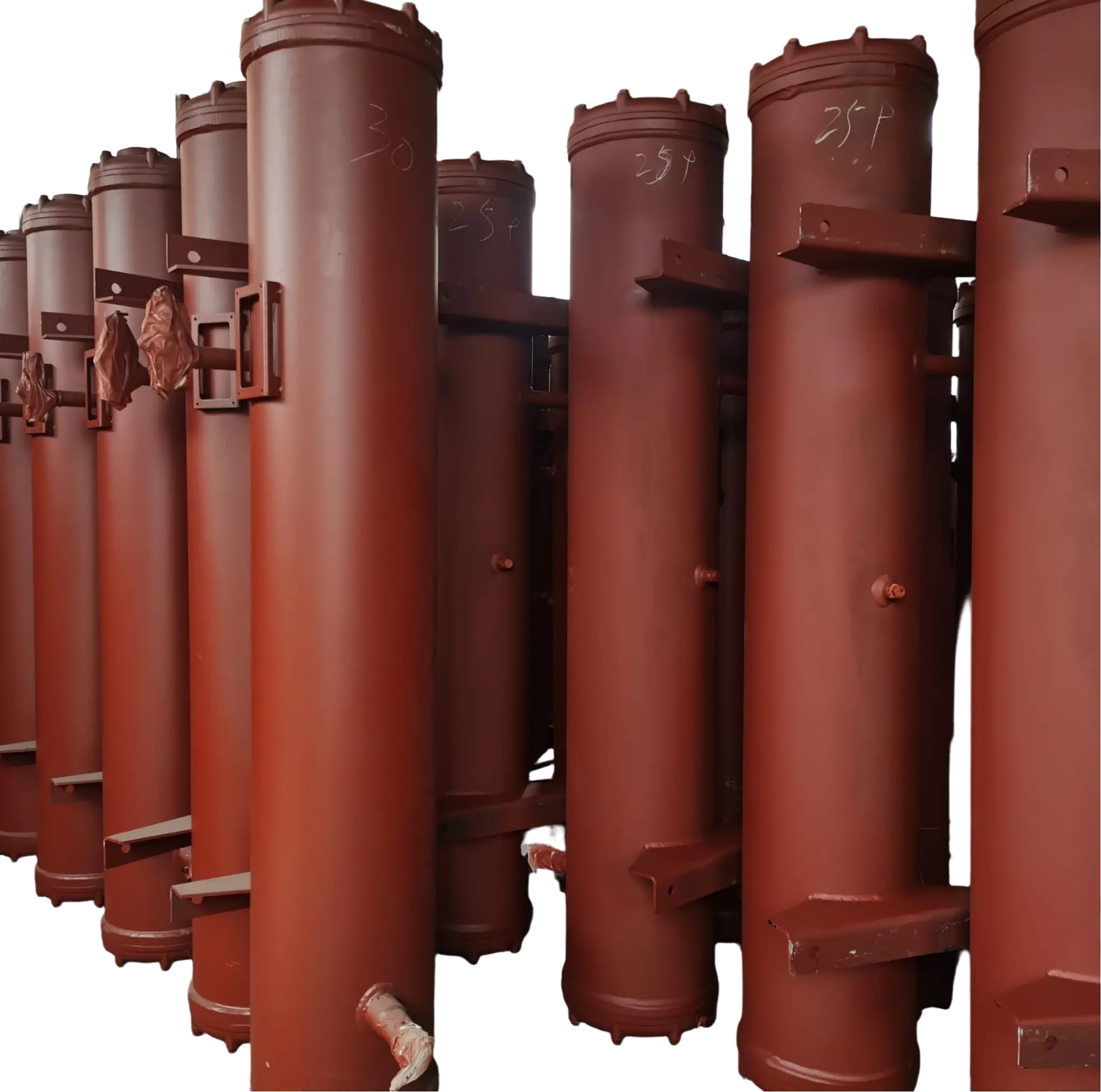
إن مهلة التسليم التي تتراوح بين 6 و8 أيام لمبادلات حرارية جين ديان لا تعزى فقط إلى كوننا نصنع أنابيبنا عالية الكفاءة بأنفسنا، بل الأهم من ذلك أن الجميع في هونري هيتكس يعطي الأولوية لأهداف الإنتاج وجودة المنتج قبل أي شيء آخر.

Although China is a major exporter of food and agricultural products, the standard of its cold chain logistics lags significantly behind the pace of industrial development, which has had an adverse impact on food and agricultural exports and requires urgent attention.
Key Issues
Cold chain technology is underdeveloped. As the food cold chain is a supply chain system designed to ensure the quality of perishable foodstuffs, with the maintenance of a low-temperature environment as its core requirement, it is more demanding and complex than standard ambient-temperature logistics systems, and requires greater investment. At present, China’s cold chain system remains largely confined to an early-stage market for refrigeration equipment; the cold chain technology currently available cannot be fully applied to many food categories, and there is a significant gap compared to international advanced standards.
Inadequate cold chain infrastructure. China suffers from a severe shortage of cold chain facilities and equipment; existing facilities and equipment are outdated, and their development and distribution are uneven, rendering them incapable of providing the necessary low-temperature guarantees for the perishable food distribution system. At present, the loading of perishable goods in China is mostly carried out in the open air rather than in cold stores or temperature-controlled facilities; 80% to 90% of fruit, vegetables, poultry and seafood are transported using ordinary lorries. For agricultural products such as fruit and vegetables alone, the loss rate during logistics stages including harvesting, transport and storage reaches 25% to 30%, with the volume of wastage ranking first in the world; large quantities of milk and soya products are transported without any cold chain assurance.
The development of third-party food cold chain logistics lags behind. The service networks and information systems of third-party food cold chain logistics are insufficiently robust, significantly impacting the in-transit quality, accuracy and timeliness of food logistics; simultaneously, the costs and product wastage associated with the food cold chain are high.
The food cold chain lacks overall planning and integration. The time-sensitive nature of perishable foods requires a high degree of organisational coordination across all stages of the cold chain; however, China currently lacks comprehensive planning and coordination between upstream and downstream supply chain participants, as well as a shortage of comprehensive, specialised talent in the food cold chain sector. These are issues that urgently need to be addressed.
Key Impacts
Massive wastage of perishable foodstuffs, particularly primary agricultural products. Due to high wastage during transport, logistics costs account for 70% of the total cost of perishable goods, leading to significant fluctuations in the prices of exported food raw materials and undermining the price stability of exported agricultural products.
There are significant hidden risks regarding food safety. The agricultural logistics sector has become a major threat to food safety; incidents such as ‘formaldehyde-treated Chinese cabbage’, ‘recycled potatoes’, ‘alum-treated Chinese chives’ and ‘DDT-treated ginger’ have all occurred due to the use of toxic chemicals for preservation during the logistics process.
In response to the above situation, the Weihai Inspection and Quarantine Bureau in Shandong proposes the following recommendations:
Strengthen research into the overall planning of China’s food cold chain and establish a coordination mechanism involving the government, industry organisations and relevant enterprises. The government should formulate policies to encourage the development of the food cold chain and strengthen directional guidance for industry planning; industry organisations should play a role in communication and coordination, formulating and implementing overall industry plans and standards; relevant enterprises should operate in accordance with market rules and work together to promote the gradual development of China’s food cold chain.
Promote the development of diverse cold chain models. On the one hand, rely on leading agricultural enterprises and large food companies to develop a food cold chain system centred on core enterprises, linking upstream and downstream supply chain segments to gradually form a cold chain assurance system covering the entire food industry. On the other hand, building upon the establishment of green corridors for agricultural products, construct a main cold chain network connecting major agricultural production areas with consumption centres to enhance the safety and security of bulk food logistics.
Establish a logistics and quality information system for the food cold chain to provide relevant stakeholders with accurate market updates and facilitate information exchange; simultaneously, provide traceability information to support food safety inspections, ensuring that problematic food products can be traced to their source.
مع التطور المستمر للاقتصاد الوطني الصيني، ازداد الطلب بشكل مطرد على أنواع مختلفة من وحدات التبريد، بينما أصبحت متطلبات جودة الغاز المضغوط أكثر صرامة أيضًا. إن كيفية الحصول على غاز عالي الجودة نقي وقليل المحتوى الزيتي هي مسألة تثير قلقًا كبيرًا في صناعة التبريد.
تعتبر كفاءة الفصل في فاصل الزيت والغاز مؤشرًا رئيسيًا لتقييم أداء المبادل الحراري. لا تحدد فعالية الفصل تكلفة تصنيع المبادل الحراري فحسب، بل تؤثر أيضًا بشكل مباشر على جودة المنتج في التطبيقات الصناعية التي تتطلب نقاءً عاليًا للغاز. لذلك، عادةً ما تستخدم فواصل الزيت والغاز مخططات فصل متعددة المراحل لتحسين كفاءة الفصل.
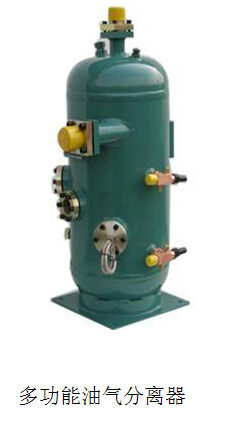
لمنع دخول زيت التبريد من الضاغط إلى النظام—وخاصة في وحدات التبريد التي تستخدم مبخرات مغمورة وفي وحدات التبريد ذات درجات الحرارة المنخفضة حيث يصعب جدًا استرجاع الزيت من المبخر—فإن ذلك يؤثر بشكل كبير على كفاءة التبادل الحراري للمبادل الحراري. على مدى سنوات عديدة، كرّست شركة Honry HeatEX جهودها للبحث والتطوير في مجال فواصل بخار الزيت الخارجية والداخلية عالية الكفاءة المختلفة. الوحدات المجهزة بفواصل بخار الزيت من Jindian تحافظ على استرجاع الزيت بشكل طبيعي حتى بعد تشغيل طويل الأمد، دون أي انخفاض في معامل نقل الحرارة للمبادل الحراري. إن أداء فصل الزيت الممتاز يعزز بشكل كبير كفاءة التشغيل لوحدات التبريد من نوع البرغي. عند تصميم وتخطيط فواصل الزيت والغاز، نأخذ بعين الاعتبار تمامًا تحقيق أفضل أداء للفصل والتوزيع العقلاني لمداخل الزيت والغاز بشكل عرضي. كما أن التثبيت الحكيم لحواجز الزيت يضمن فصلًا فعالًا ويطيل عمر خدمة قلب فصل الزيت والغاز.
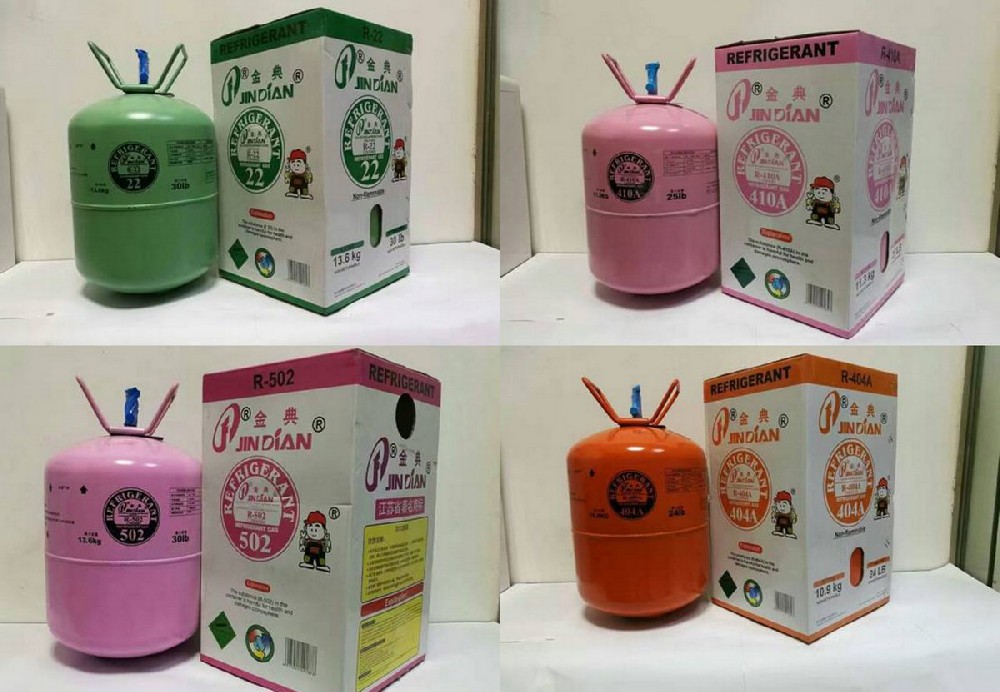
لتلبية متطلبات السوق، تقوم شركة Honry HeatEX باختبار وتحسين فواصل الزيت والغاز متعددة الوظائف بشكل مستمر، وقد طورت سلسلة مناسبة لضواغط من علامات تجارية شهيرة مثل Hanbell وFusheng. بالإضافة إلى ذلك، فإن هذه المنتجات متوافقة مع أنواع مختلفة من المبردات بما فيها R22 وR134a وR407C وR404A، وتتراوح سعتها بين 20 و700 لتر.
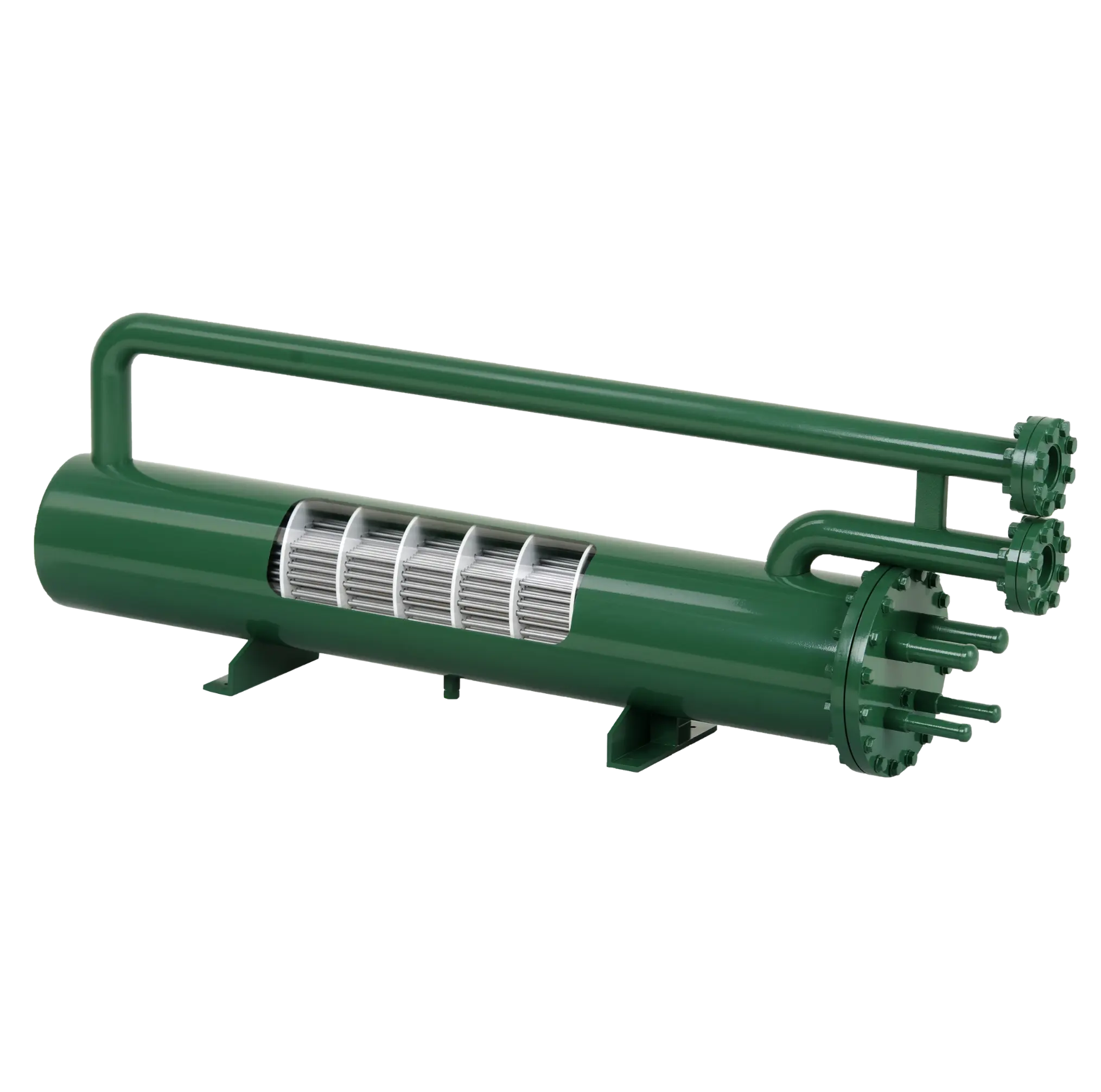
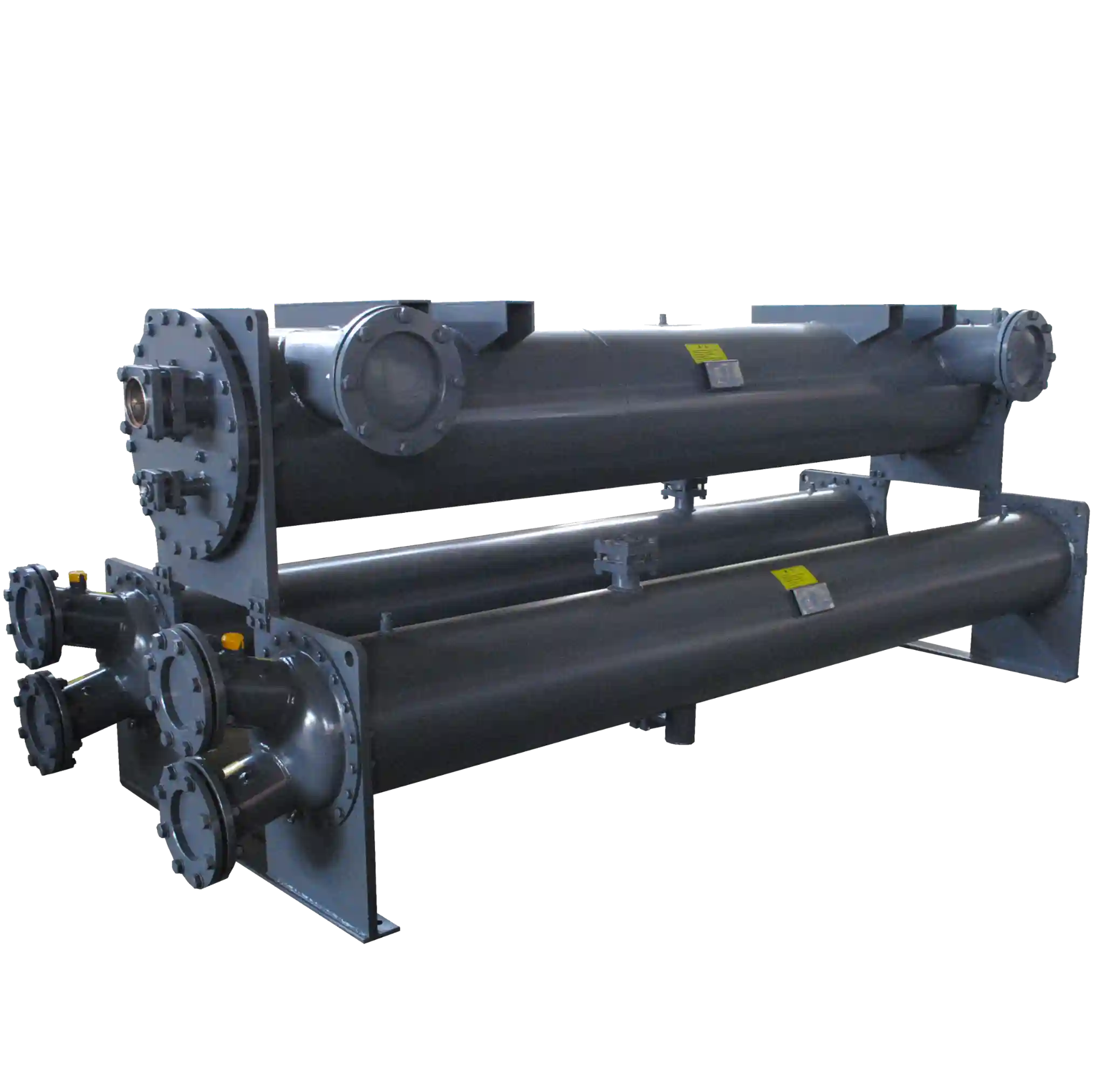
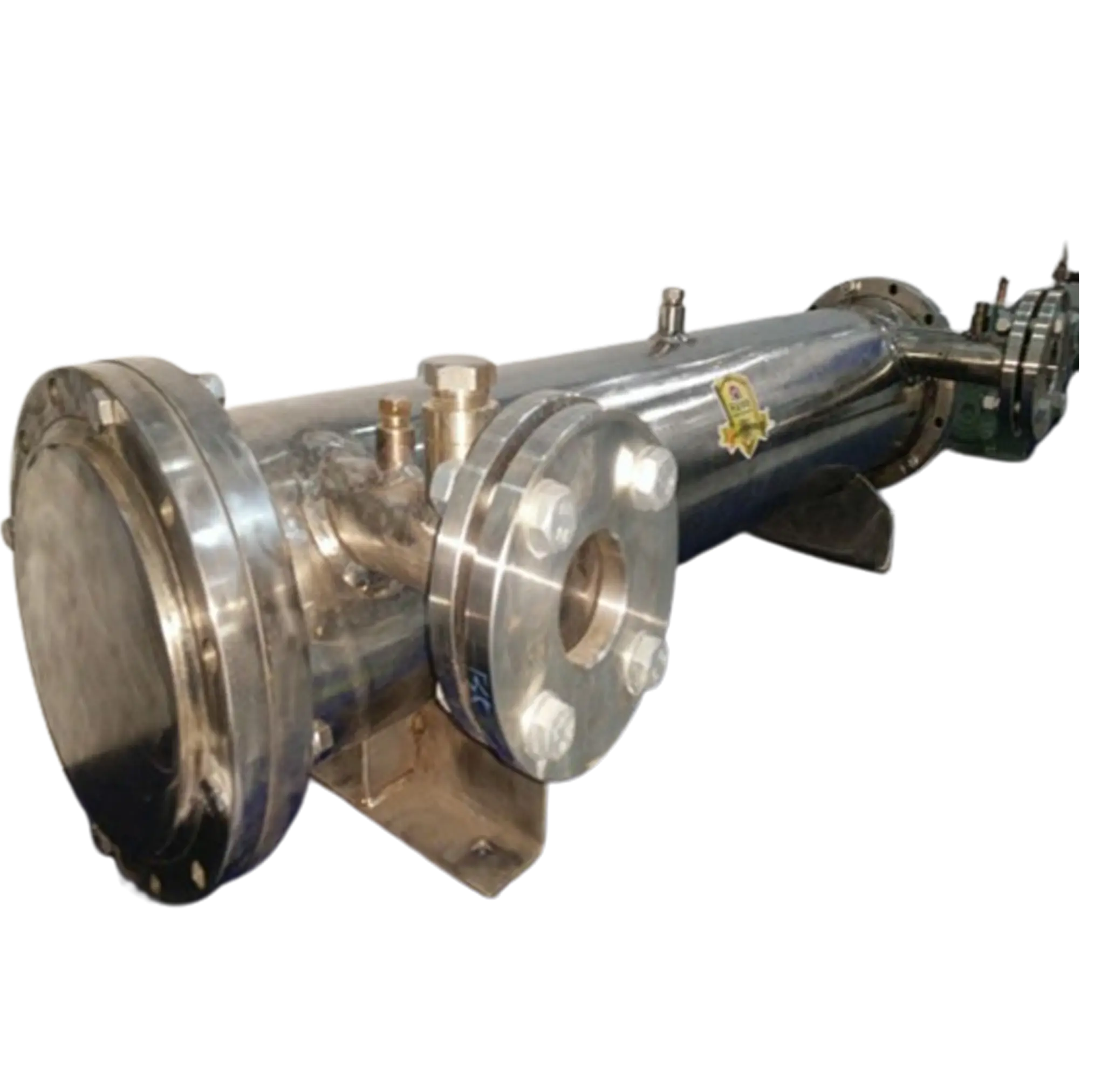
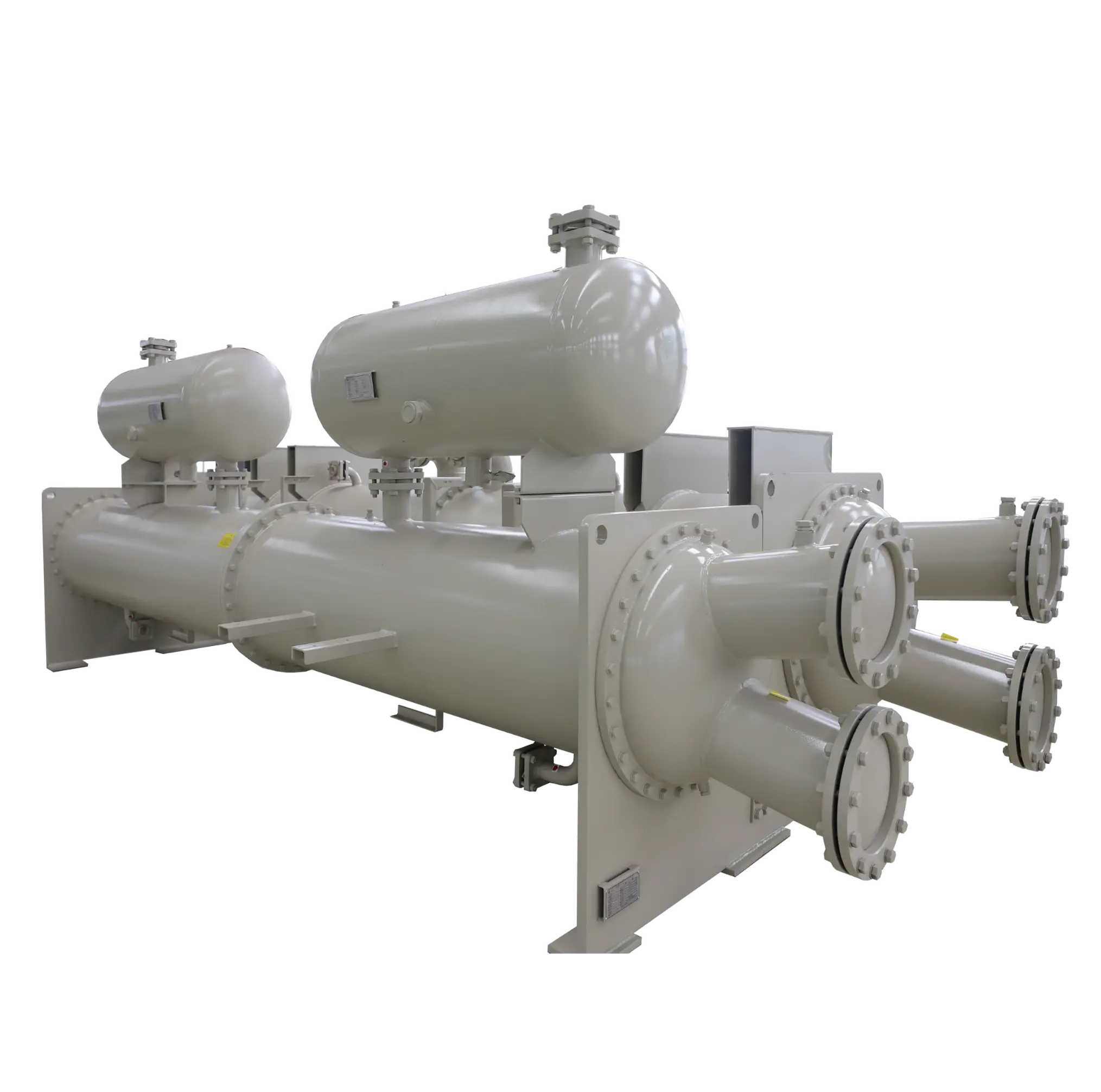
As a long-established product in the field of water-cooled heat exchangers, there are currently over a hundred companies producing shell-and-tube heat exchangers in the refrigeration market; however, only around ten specialise in their manufacture. Jiangsu Honry HeatEX Industrial Co., Ltd. is a specialist manufacturer of shell-and-tube heat exchangers. These heat exchangers are primarily used in large-scale equipment such as central air-conditioning systems and refrigeration and cold storage facilities. Due to this characteristic, should a shell-and-tube heat exchanger fail, it would affect the entire system and inevitably result in significant losses; consequently, the quality requirements for shell-and-tube heat exchangers are extremely high. To ensure product quality, great emphasis is placed on material selection during the manufacturing process. “We have strict requirements regarding the selection of raw materials; we choose materials of consistent quality because if the heat exchanger fails, it will affect the entire system, so material selection must be meticulous,” stated Mr Xu, General Manager of Honry HeatEX. In shell-and-tube heat exchangers, if the materials selected do not meet standards, problems may not be apparent at the outset of use, but will become evident after a period of operation. As a supplier, particularly one providing components for such large-scale products, a lack of a good reputation effectively destroys one’s market presence.
It is understood that, compared to last year, shell-and-tube heat exchangers have seen a 10% price increase. With production costs continuing to rise—including higher raw material prices and increased labour and material costs—profit margins in the shell-and-tube heat exchanger industry are becoming increasingly slim. Factors such as the rapid dissemination of price information, the large number of manufacturers, and the wide variety of product types have collectively led to fierce competition within the industry. Even though there are only about five or six leading brands in the shell-and-tube heat exchanger sector, competition among these top brands remains fierce due to the very low profit margins.