Blog

Featured Products

Close cooperation and mutual benefit

Based on the company’s performance, the Guangzhou office of Jindian Refrigeration has selected its outstanding distributors for 2016. From the perspective of the company’s long-term sustainable development strategy, and given the current reality, superficial market competition can only maintain short-term appeal; only by establishing sound marketing channels and cultivating core competitiveness through customer relationships can the company ensure its long-term vitality. As dealers serve as the most direct link between the company and consumers, year-end incentives not only boost dealers’ sales motivation but also enable the company to gain a deeper understanding of consumer needs. This facilitates strategic adjustments and innovation in the company’s products, ultimately achieving a win-win-win situation for the manufacturer, dealers and consumers alike.

To this end, the Guangzhou Office of Honry HeatEX has recognised dozens of outstanding dealers in the Guangdong region to express gratitude for their contributions to the sales performance and brand promotion of Honry HeatEX in 2016.

Jiangsu Honry HeatEX Industrial Co., Ltd. and Italian Onda Join Forces

From 11 to 13 December 2016, Mr Xu Wenlong, General Manager of Jiangsu Honry HeatEX Industrial Co., Ltd.., led a delegation comprising his son-in-law, Mr Zheng Yueyang; Mr Wan Quan, Manager of the R&D Department; and Mr Xu Wei, Manager of the Technical Department, to visit Onda in Italy to discuss matters relating to their cooperation.

By joining forces, integrating resources and leveraging each other’s strengths, the two companies have taken a significant step towards internationalisation and the globalisation of their products. This collaboration will bring about a comprehensive upgrade in Honry HeatEX’s technical processes, tooling and manufacturing capabilities, enabling Jindian heat exchangers to rapidly reach world-class standards. It will accelerate the full-scale entry of Jindian-Onda heat exchangers into the Asian market and lay the groundwork for cooperation with leading Chinese air-conditioning enterprises, such as Carrier and York.

Onda, based in Italy, operates heat exchanger factories of considerable scale in both Italy and the United States, with subsidiaries in Russia and France, and its products are sold throughout Europe and the Americas. Through its partnership with Jindian Refrigeration, Onda has gained access to the Chinese and Asian markets, thereby achieving the globalisation of its product range.

    formally sign the contract

An Introduction to Onda S.p.A.

Onda, Italy: A world-leading manufacturer of heat exchangers

Headquartered in Lonigo, Italy, Onda operates four manufacturing sites in north-eastern Italy. The company has also established a new manufacturing plant in Columbus, Ohio, in the northern United States, and maintains sales offices in France and Russia. Onda serves customers worldwide.

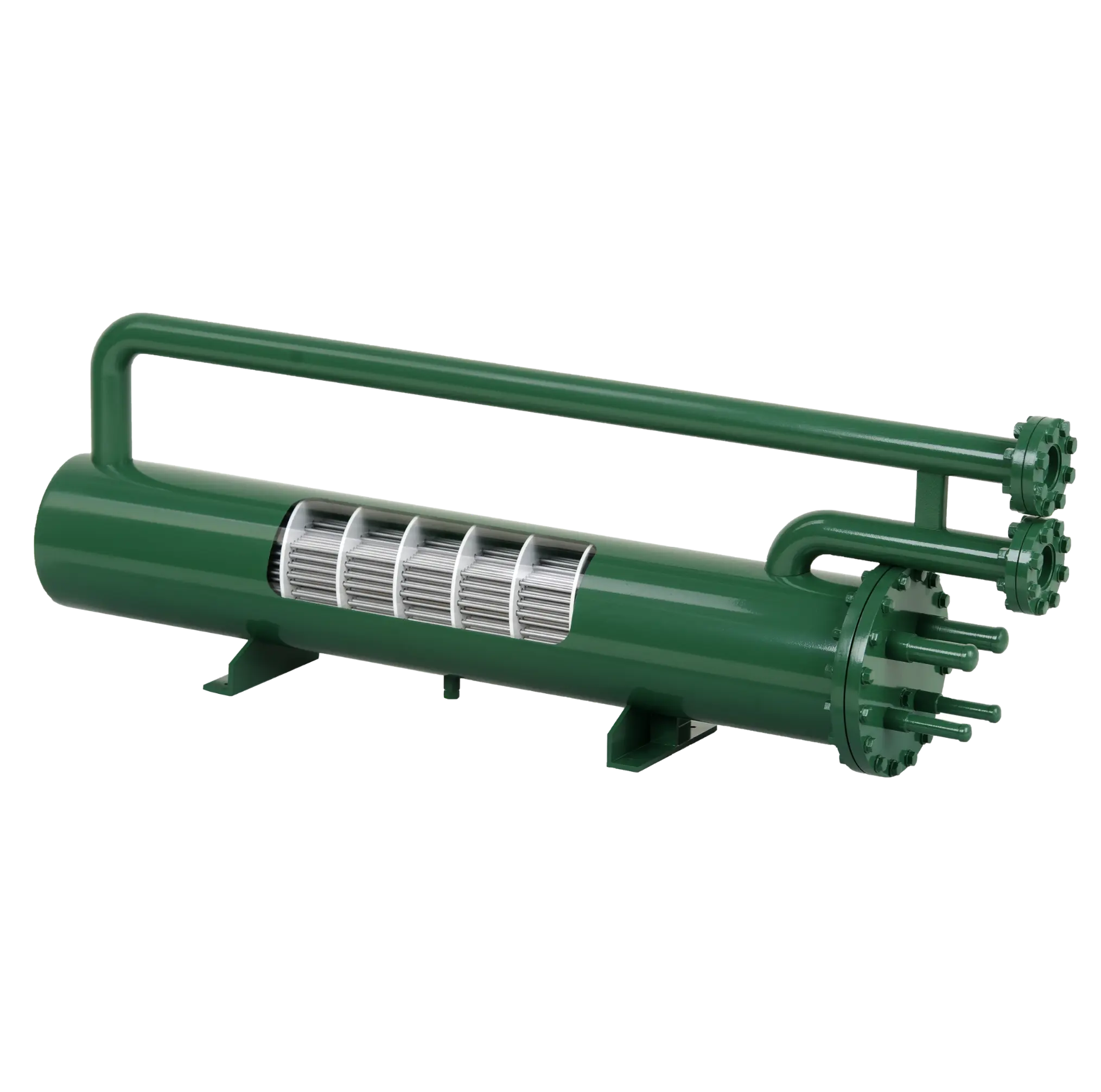
  • Shell-and-tube heat exchangers: dry-type evaporators and flooded evaporators; condensers and seawater condensers; evaporative cooling:
  • Plate heat exchangers: water condensers; evaporative cooling:
  • Air heat exchangers: axial condensers; dry-type coolers, air coolers
  • Customised heat exchanger equipment

To meet the requirements of various countries, Onda holds certifications for the majority of global standards for civil and marine applications: CE; ASME; UL; CRN; AS1210; GOST; DNV+GL; ABS; BV; LRS; RINA; RMRS; CCS; KRS; NK

Plans for future development

Jiangsu Honry HeatEX Industrial Co., Ltd. is set to relocate to a newly constructed 15,000-square-metre factory in 2017. The production area for heat exchangers will cover over 12,000 square metres, whilst that for high-efficiency tubes will cover over 3,000 square metres. This will result in the establishment of one of the most advanced production lines currently in the country. The annual production capacity for heat exchangers is expected to reach 200–300 million yuan (RMB), whilst high-efficiency tube production is projected to reach a capacity of 3,000–5,000 tonnes. Under the Jin Dian–Onda partnership for the three-year period from 2017 to 2019, Onda will provide orders worth over 10 million euros annually, with products destined for the Asian and Middle Eastern markets.
During the partnership, the focus will be on the research, development and manufacture of seawater heat exchangers. Onda’s heat exchangers are currently supplied to Italian naval vessels, and this collaboration will also facilitate the potential supply of  Honry HeatEX  to the Chinese Navy.

Sweat and Striving in Youth – Honry HeatEX

With the arrival of the Dog Days of summer, the weather has become sweltering and stifling, yet every member of staff in the workshop remains steadfast at their posts despite the heat. To ensure that orders from Nanjing Tianjia and Chongqing Midea are completed on time and to the required standard, three members of the Production Department—Zhang Hainan, Rui Zhaobin and Yao Guohong—volunteered to work overtime until three o’clock in the morning. The sweltering heat had left their welding overalls soaked through and clinging to their bodies, yet they paid it no mind, persevering to finish the job. They knew that fulfilling their production targets was not merely their duty, but their mission.

No matter how hot the weather, they never complained about the heat or the hard work, nor did they grumble or blame others; instead, they did their utmost to carry out their daily tasks to the best of their ability. Every single product manufactured by Jindian embodies the hard work and sweat of every employee, reflecting their personal value. It is precisely thanks to the unique spirit of Zhang Hainan, Rui Zhaobin and Yao Guohong—characterised by their exceptional ability to endure hardship, their fighting spirit and their dedication—and their selfless, tireless efforts, that production in the workshops has continued smoothly throughout the sweltering summer, ensuring products are delivered on schedule.

The 6–8-day lead time for Jindian heat exchangers is due not only to the fact that we manufacture our own high-efficiency tubes, but more importantly because everyone at Honry HeatEX prioritises production targets and product quality above all else.

Exports of food and agricultural products through the lens of cold-chain logistics

Although China is a major exporter of food and agricultural products, the standard of its cold chain logistics lags significantly behind the pace of industrial development, which has had an adverse impact on food and agricultural exports and requires urgent attention.

Key Issues

Cold chain technology is underdeveloped. As the food cold chain is a supply chain system designed to ensure the quality of perishable foodstuffs, with the maintenance of a low-temperature environment as its core requirement, it is more demanding and complex than standard ambient-temperature logistics systems, and requires greater investment. At present, China’s cold chain system remains largely confined to an early-stage market for refrigeration equipment; the cold chain technology currently available cannot be fully applied to many food categories, and there is a significant gap compared to international advanced standards.

Inadequate cold chain infrastructure. China suffers from a severe shortage of cold chain facilities and equipment; existing facilities and equipment are outdated, and their development and distribution are uneven, rendering them incapable of providing the necessary low-temperature guarantees for the perishable food distribution system. At present, the loading of perishable goods in China is mostly carried out in the open air rather than in cold stores or temperature-controlled facilities; 80% to 90% of fruit, vegetables, poultry and seafood are transported using ordinary lorries. For agricultural products such as fruit and vegetables alone, the loss rate during logistics stages including harvesting, transport and storage reaches 25% to 30%, with the volume of wastage ranking first in the world; large quantities of milk and soya products are transported without any cold chain assurance.

The development of third-party food cold chain logistics lags behind. The service networks and information systems of third-party food cold chain logistics are insufficiently robust, significantly impacting the in-transit quality, accuracy and timeliness of food logistics; simultaneously, the costs and product wastage associated with the food cold chain are high.

The food cold chain lacks overall planning and integration. The time-sensitive nature of perishable foods requires a high degree of organisational coordination across all stages of the cold chain; however, China currently lacks comprehensive planning and coordination between upstream and downstream supply chain participants, as well as a shortage of comprehensive, specialised talent in the food cold chain sector. These are issues that urgently need to be addressed.

Key Impacts

Massive wastage of perishable foodstuffs, particularly primary agricultural products. Due to high wastage during transport, logistics costs account for 70% of the total cost of perishable goods, leading to significant fluctuations in the prices of exported food raw materials and undermining the price stability of exported agricultural products.

There are significant hidden risks regarding food safety. The agricultural logistics sector has become a major threat to food safety; incidents such as ‘formaldehyde-treated Chinese cabbage’, ‘recycled potatoes’, ‘alum-treated Chinese chives’ and ‘DDT-treated ginger’ have all occurred due to the use of toxic chemicals for preservation during the logistics process.

In response to the above situation, the Weihai Inspection and Quarantine Bureau in Shandong proposes the following recommendations:

Strengthen research into the overall planning of China’s food cold chain and establish a coordination mechanism involving the government, industry organisations and relevant enterprises. The government should formulate policies to encourage the development of the food cold chain and strengthen directional guidance for industry planning; industry organisations should play a role in communication and coordination, formulating and implementing overall industry plans and standards; relevant enterprises should operate in accordance with market rules and work together to promote the gradual development of China’s food cold chain.

Promote the development of diverse cold chain models. On the one hand, rely on leading agricultural enterprises and large food companies to develop a food cold chain system centred on core enterprises, linking upstream and downstream supply chain segments to gradually form a cold chain assurance system covering the entire food industry. On the other hand, building upon the establishment of green corridors for agricultural products, construct a main cold chain network connecting major agricultural production areas with consumption centres to enhance the safety and security of bulk food logistics.

Establish a logistics and quality information system for the food cold chain to provide relevant stakeholders with accurate market updates and facilitate information exchange; simultaneously, provide traceability information to support food safety inspections, ensuring that problematic food products can be traced to their source.


Introduction to the Multi-Functional Oil-Gas Separator

With the continuous development of China’s national economy, demand for various types of refrigeration units has been steadily increasing, whilst requirements for the quality of compressed gas have also become more stringent. How to obtain high-quality gas that is clean and has a low oil content is a matter of great concern within the refrigeration industry.

The separation efficiency of an oil-gas separator is a key indicator for evaluating the performance of a heat exchanger. The effectiveness of separation not only determines the manufacturing cost of the heat exchanger but also directly impacts product quality in industrial applications where high gas purity is essential. Consequently, oil-gas separators typically employ multi-stage separation schemes to enhance separation efficiency.

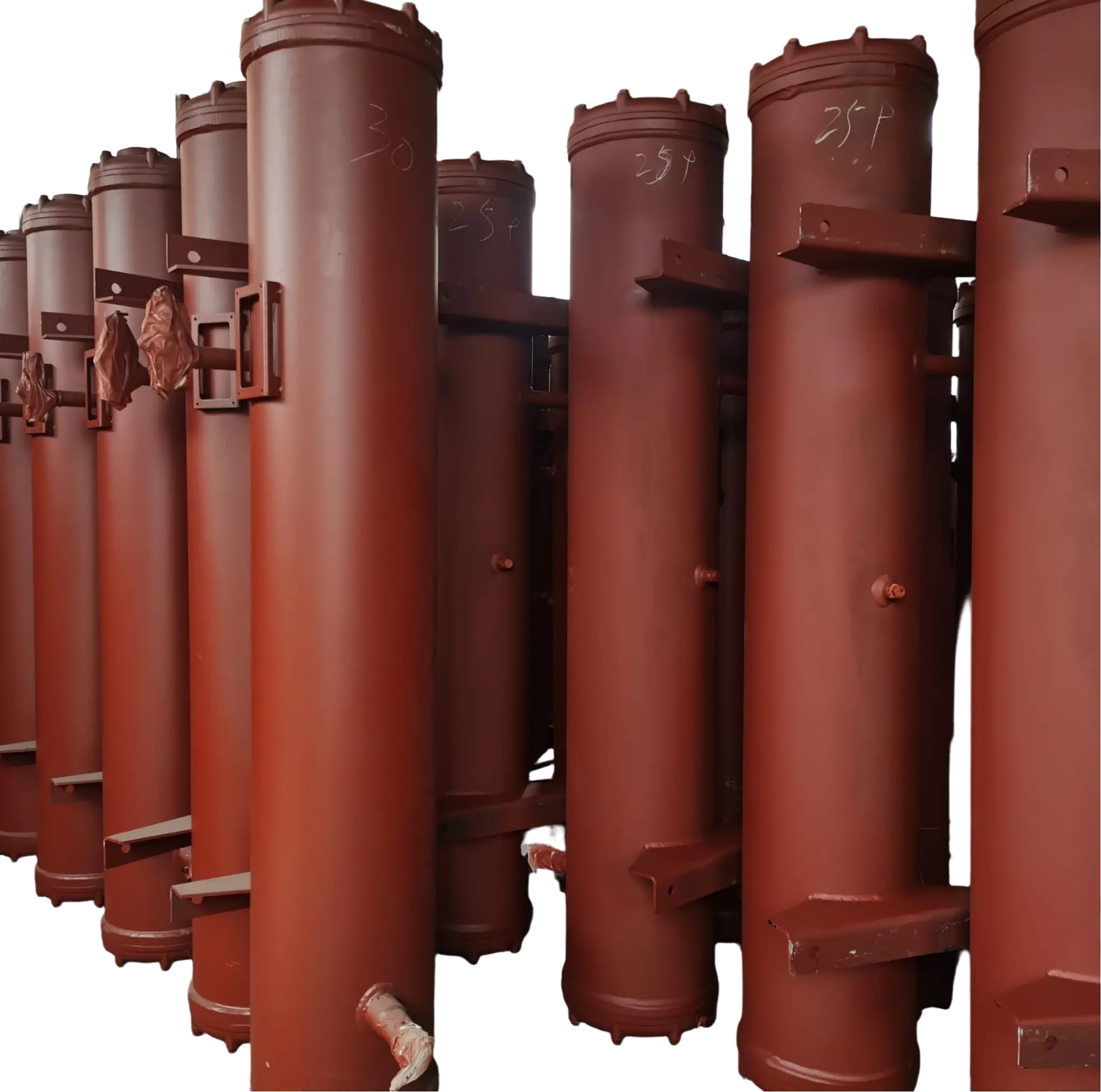
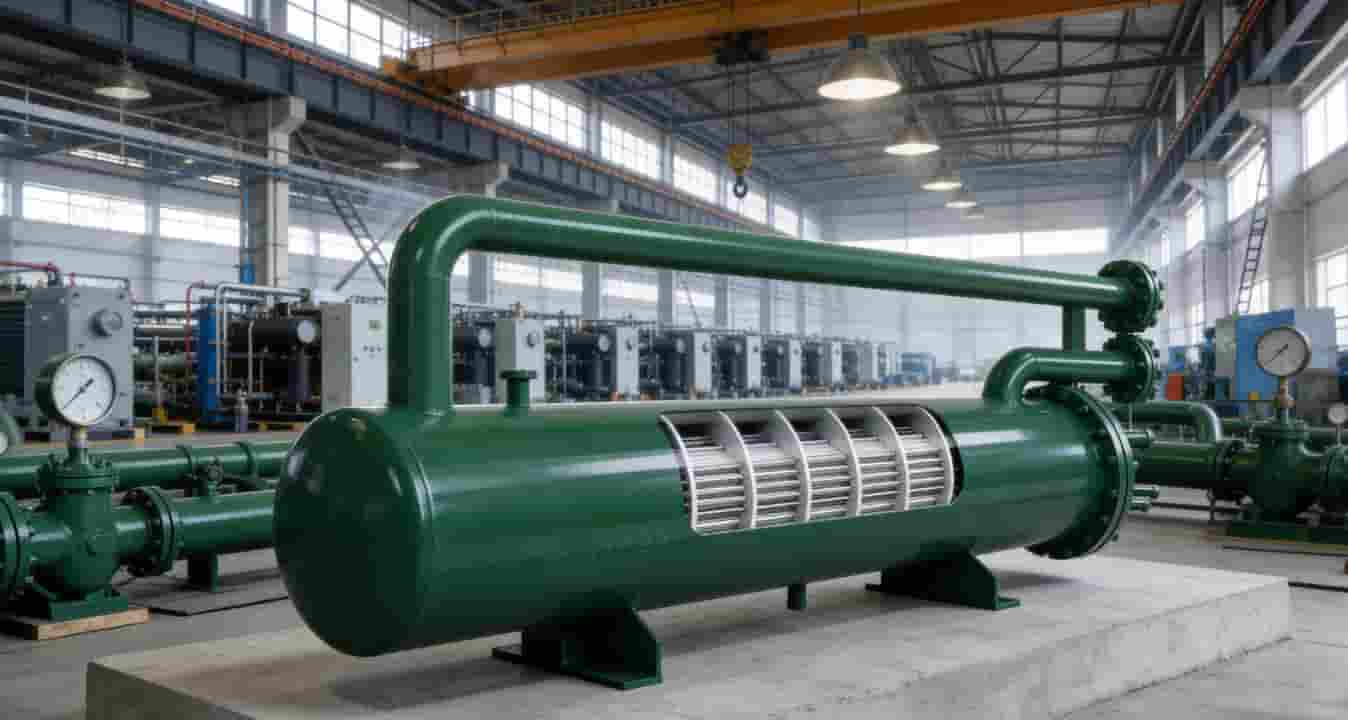
To prevent refrigeration oil from the compressor entering the system—particularly in chiller units employing flooded evaporators and in low-temperature refrigeration units where oil return from the evaporator is extremely difficult—this significantly impacts the heat exchange efficiency of the heat exchanger. For many years, Honry HeatEX has been dedicated to the research and development of various high-efficiency external and internal oil-vapour separators. Units equipped with Jindian oil-vapour separators maintain normal oil return even after prolonged operation, with no decline in the heat exchanger’s heat transfer coefficient. The excellent oil separation performance significantly enhances the operational efficiency of screw-type refrigeration units. When designing and planning oil-gas separators, we give full consideration to achieving optimal separation performance and the rational arrangement of tangential oil and gas inlets. The judicious positioning of oil baffles ensures effective separation whilst extending the service life of the oil-gas separation core.

To meet market demands, Honry HeatEX continuously tests and refines its multi-functional oil-gas separators, having developed a series suitable for compressors from renowned brands such as Hanbell and Fusheng. Furthermore, the products are compatible with various refrigerants including R22, R134a, R407C and R404A, with a capacity range of 20–700 litres.

Competition is fierce among leading brands of shell-and-tube heat exchangers

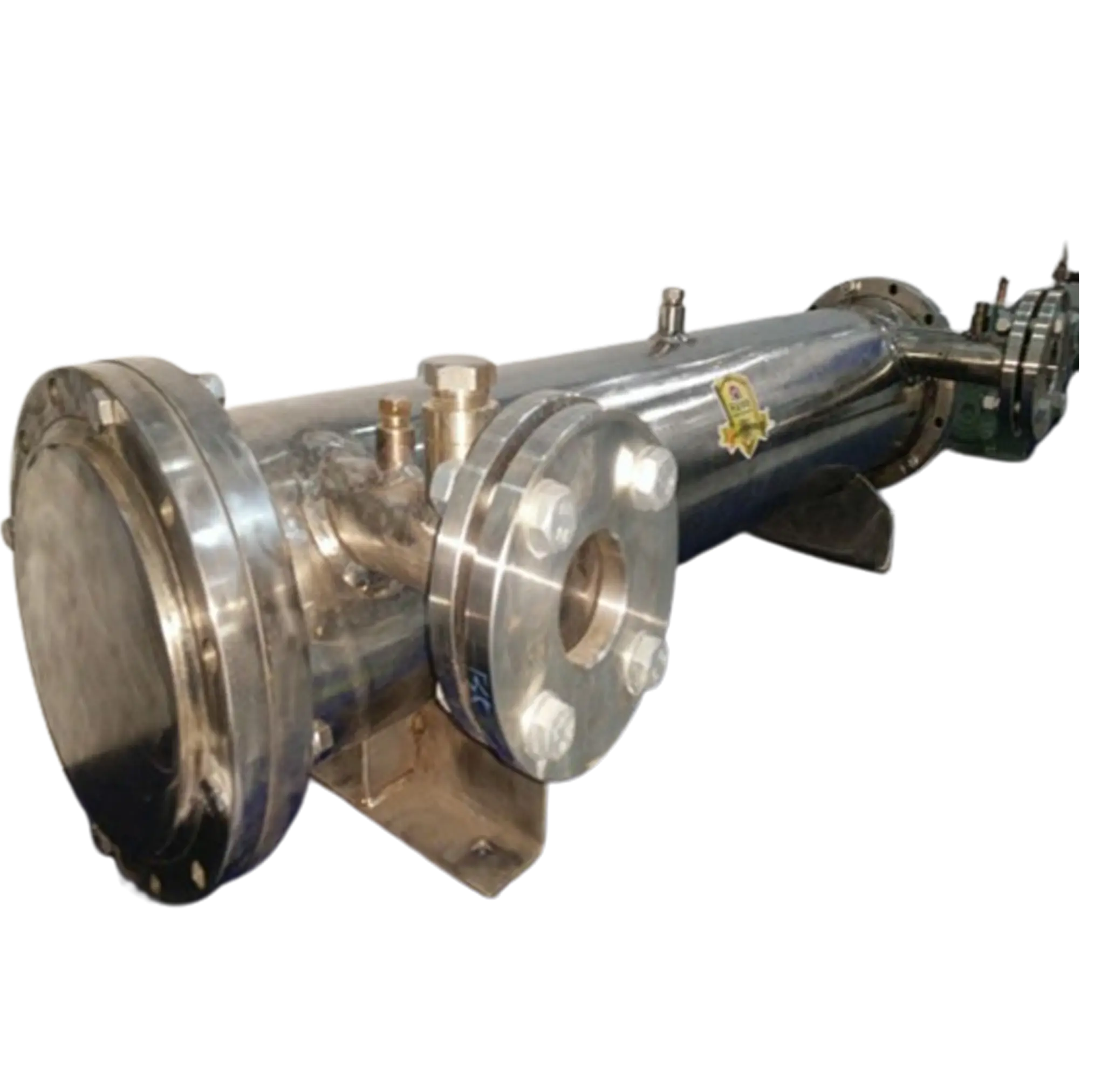
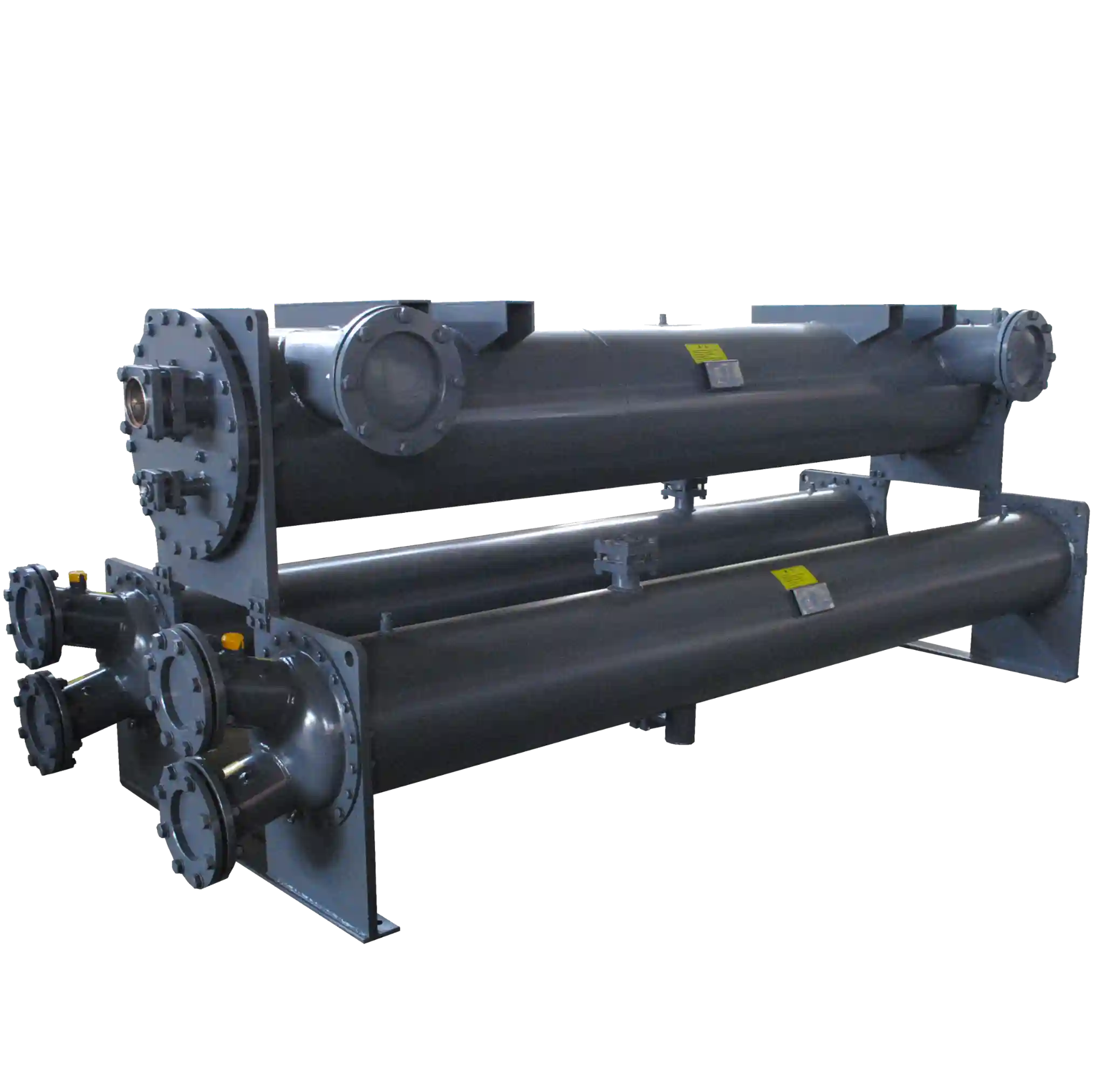
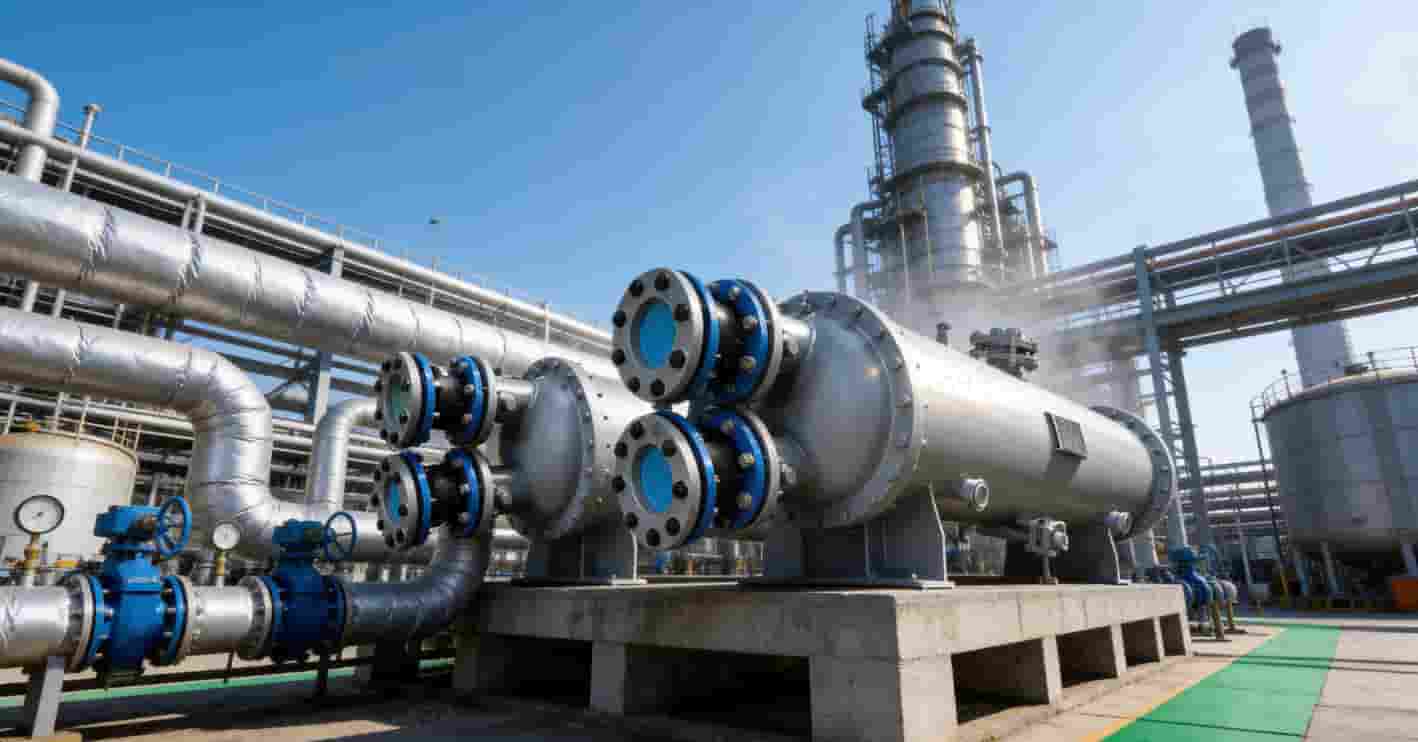
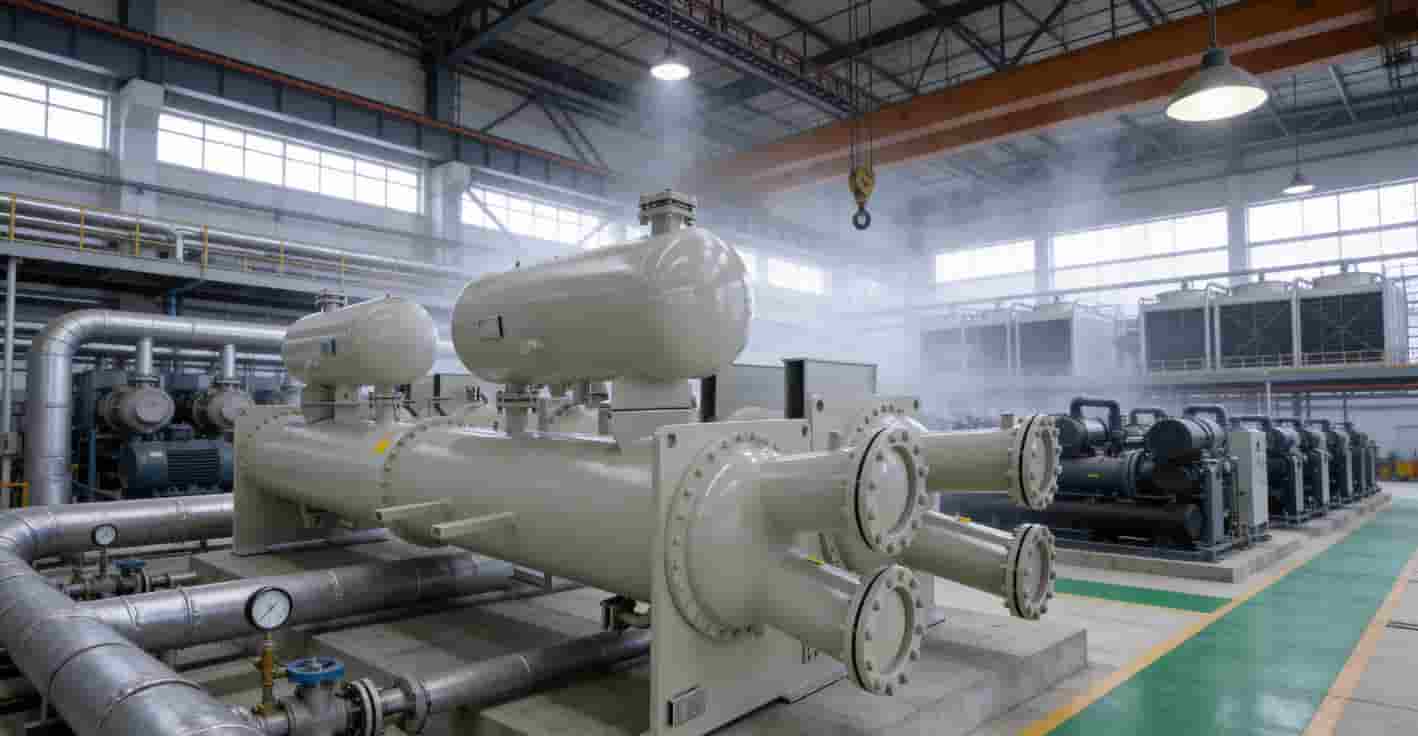
As a long-established product in the field of water-cooled heat exchangers, there are currently over a hundred companies producing shell-and-tube heat exchangers in the refrigeration market; however, only around ten specialise in their manufacture. Jiangsu Honry HeatEX Industrial Co., Ltd. is a specialist manufacturer of shell-and-tube heat exchangers. These heat exchangers are primarily used in large-scale equipment such as central air-conditioning systems and refrigeration and cold storage facilities. Due to this characteristic, should a shell-and-tube heat exchanger fail, it would affect the entire system and inevitably result in significant losses; consequently, the quality requirements for shell-and-tube heat exchangers are extremely high. To ensure product quality, great emphasis is placed on material selection during the manufacturing process. “We have strict requirements regarding the selection of raw materials; we choose materials of consistent quality because if the heat exchanger fails, it will affect the entire system, so material selection must be meticulous,” stated Mr Xu, General Manager of Honry HeatEX. In shell-and-tube heat exchangers, if the materials selected do not meet standards, problems may not be apparent at the outset of use, but will become evident after a period of operation. As a supplier, particularly one providing components for such large-scale products, a lack of a good reputation effectively destroys one’s market presence.

It is understood that, compared to last year, shell-and-tube heat exchangers have seen a 10% price increase. With production costs continuing to rise—including higher raw material prices and increased labour and material costs—profit margins in the shell-and-tube heat exchanger industry are becoming increasingly slim. Factors such as the rapid dissemination of price information, the large number of manufacturers, and the wide variety of product types have collectively led to fierce competition within the industry. Even though there are only about five or six leading brands in the shell-and-tube heat exchanger sector, competition among these top brands remains fierce due to the very low profit margins.


Tell me what you need