 Skip to content

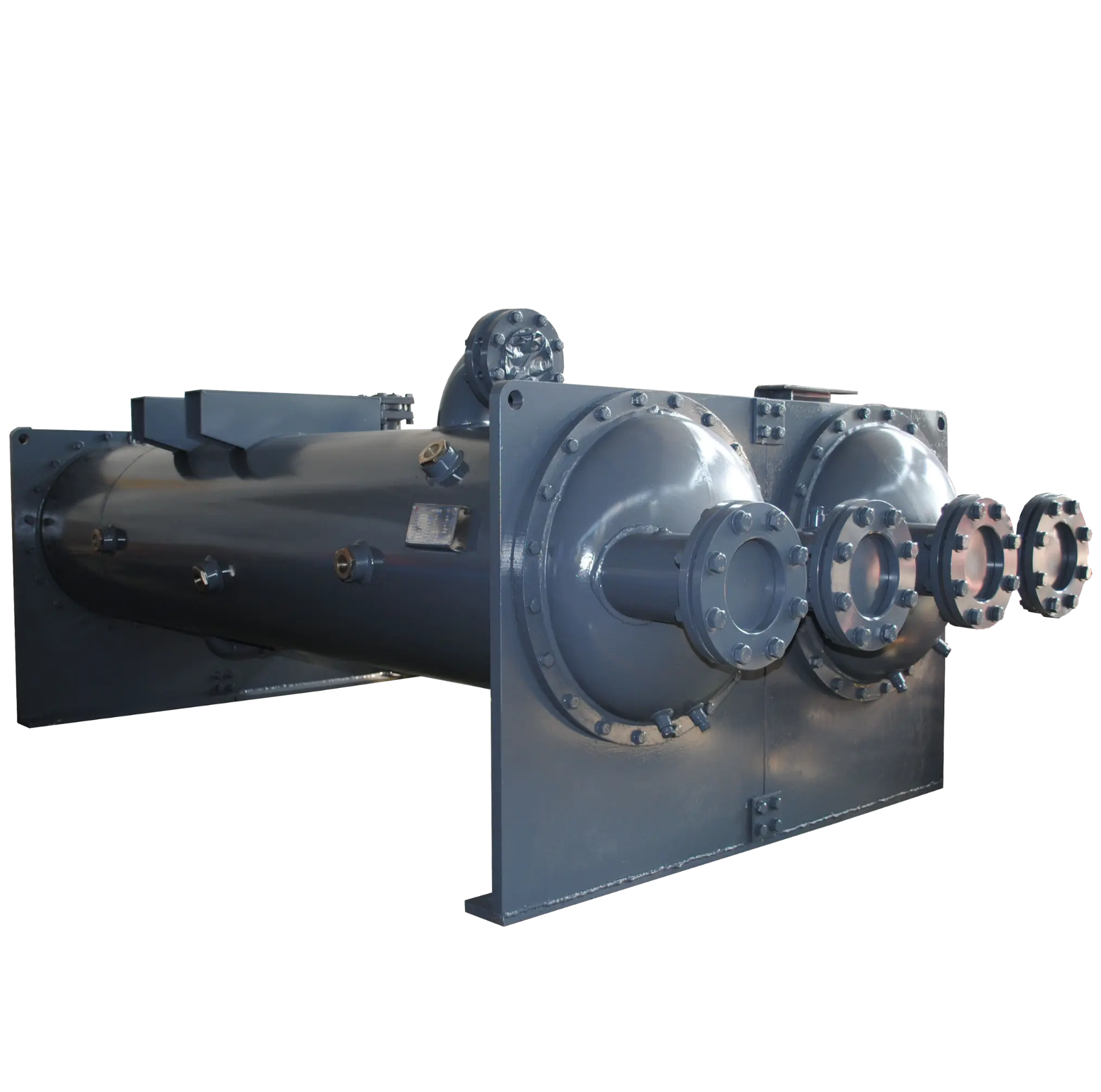
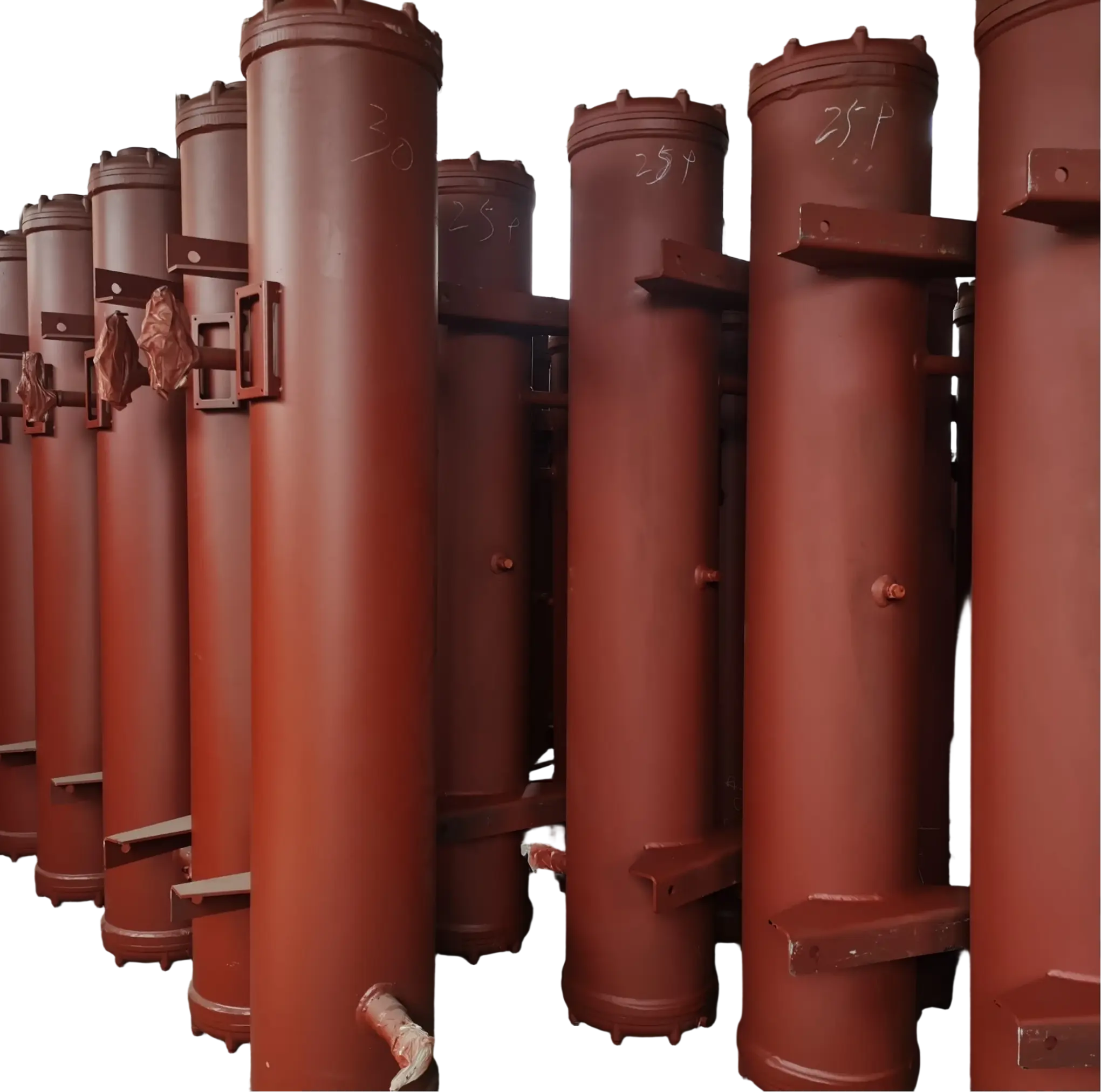

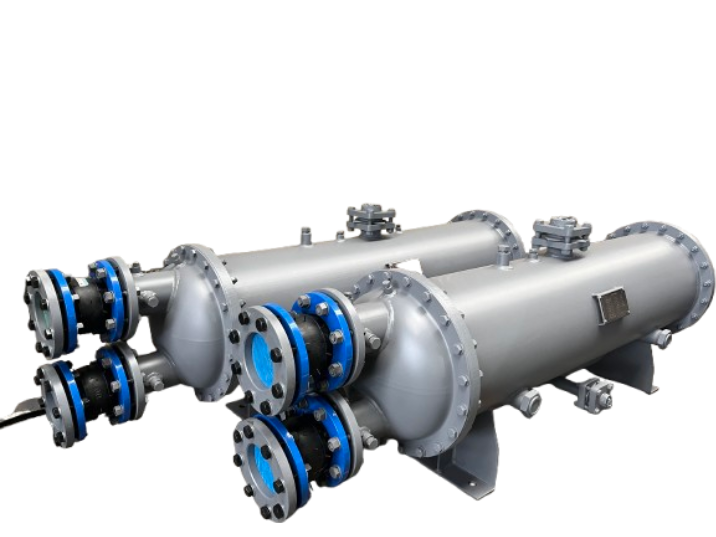
A pressure vessel is a specially designed container used for storing, processing, or transporting gases and liquids at a pressure significantly higher than atmospheric pressure. According to the design principles set out in the ASME Boiler and Pressure Vessel Code (BPVC) Section VIII, as well as the safety guidelines published by the International Organization for Standardization (ISO 16528), pressure vessels are engineered to withstand internal pressure, temperature variations and mechanical stresses, ensuring they can be operated safely in industrial environments.
Introduction to Pressure Vessel
Pressure vessels are among the most important components in modern industrial systems. They are designed to safely contain gases, liquids, steam, and chemical substances under controlled pressure. Pressure vessels play a critical role in storing, processing, and regulating materials during industrial operations, from oil refineries and chemical plants to power generation facilities and food processing factories.
Unlike ordinary storage tanks, pressure vessels must be engineered to withstand the significant mechanical stress caused by internal pressure forces on the vessel walls. Failure due to poor design, inappropriate material selection, or inadequate maintenance can pose serious safety risks, which is why the manufacturing of pressure vessels adheres to strict international standards and inspection procedures.
The applications of pressure vessels are extremely diverse. They are used for storing compressed gas, facilitating chemical reactions, enabling heat transfer processes, carrying out separation operations, and supporting energy systems. Their design varies depending on factors such as operating pressure, temperature, stored material, industry requirements, and installation environment.
This article explains the uses of pressure vessels, how they work, the main types available, and why they are essential equipment in many industries.
What Is a Pressure Vessel?
A pressure vessel is an enclosed container designed to hold fluids or gases at a pressure that is higher or lower than that of the surrounding atmosphere. The substance inside may be a liquid, gas, vapour, or a mixture of phases.
The primary purpose of a pressure vessel is to provide a safe and controlled environment in which to store or process pressurised materials.
A typical pressure vessel consists of several major components:
- Shell: The main cylindrical or spherical body that contains pressure.
- Heads: End closures that complete the pressure boundary.
- Nozzles: Openings used for fluid inlet, outlet, inspection, or instrumentation.
- Supports: Structures that hold the vessel securely in position.
- Internal components: Devices such as baffles, separators, or heat exchange tubes, depending on the application.
The design of each component must consider factors such as internal pressure, external loads, corrosion resistance, thermal expansion, and fatigue conditions.
Pressure vessels can be manufactured in various shapes, including:
- Cylindrical
- Spherical
- Horizontal
- Vertical
- Storage tanks
- Reactor vessels
The selected design depends on the operating conditions and industrial purpose.

What Is a Pressure Vessel Used For?
The main function of a pressure vessel is to safely manage materials under controlled pressure conditions. Different industries use pressure vessels for different purposes, but their applications generally fall into several major categories.
-
Storage of Compressed Gases
One of the most common uses of pressure vessels is storing compressed gases.
Many gases occupy significantly less space when compressed, making pressurized storage an efficient solution for transportation and industrial use.
Examples include:
- Oxygen storage systems
- Nitrogen storage vessels
- Hydrogen storage equipment
- Natural gas storage units
- Compressed air receivers
Compressed air receivers are widely used in manufacturing plants to store compressed air produced by compressors. They help stabilize air pressure, reduce compressor cycling frequency, and improve overall system efficiency.
-
Chemical Processing and Reaction Systems
Chemical industries rely heavily on pressure vessels for controlled chemical reactions.
Many chemical processes require specific combinations of:
- High pressure
- Elevated temperature
- Controlled atmosphere
- Precise material conditions
Reactor pressure vessels provide a safe environment where chemical reactions can occur without releasing hazardous substances.
Common applications include:
- Petrochemical processing
- Polymer production
- Fertilizer manufacturing
- Pharmaceutical production
The vessel material and internal design must be carefully selected because chemicals may cause corrosion or material degradation.
-
Heat Transfer Applications
Pressure vessels are also widely used in thermal processing systems.
Examples include:
- Heat exchangers
- Steam accumulators
- Boilers
- Condensers
In these systems, pressure vessels help transfer heat between fluids while maintaining safe operating conditions.
For example, a shell and tube heat exchanger uses a pressure-containing shell structure to allow heat transfer between two separate fluids without mixing them.
-
Energy Industry Applications
The energy sector depends on pressure vessels for the reliable operation of power generation and fuel processing systems.
Applications include:
- Nuclear reactor pressure vessels
- Hydrogen storage systems
- Natural gas processing equipment
- Steam systems
As renewable energy technologies expand, pressure vessels are also becoming increasingly important in hydrogen energy storage and carbon capture systems.
Why Are Pressure Vessels Important in Industrial Applications?
The importance of a pressure vessel extends far beyond simple storage. These systems enhance operational efficiency and safety, and enable industrial processes that would otherwise be impossible under normal atmospheric conditions.
One major advantage is the ability to manage processes more effectively. Many industrial reactions require precise pressure conditions to achieve the desired chemical or physical results.
For instance, petroleum refining processes typically necessitate high-pressure environments for the efficient separation and transformation of hydrocarbons.
Pressure vessels also improve energy efficiency. Compressed gases can be stored and released as required, and thermal pressure systems help to optimise heating and cooling operations.
Another critical function is safety. Properly designed pressure vessels include protective features such as:
- Pressure relief valves;
- Monitoring instruments;
- Inspection openings;
- Safety control systems.
These features prevent excessive pressure buildup and reduce operational risks.
Common Pressure Vessel Types and Applications
| Pressure Vessel Type | Main Function | Common Industries |
| Storage Pressure Vessel | Stores compressed gases or liquids | Energy, chemical, manufacturing |
| Reactor Vessel | Provides a controlled reaction environment | Chemical, pharmaceutical, petrochemical |
| Heat Exchanger Vessel | Transfers heat between fluids | Power generation, HVAC, processing industries |
| Air Receiver Tank | Stores compressed air | Manufacturing, automation systems |
| Separator Vessel | Separates gas, liquid, and solids | Oil & gas, chemical processing |
Materials Used for Pressure Vessel Manufacturing
Material selection is one of the most important aspects of pressure vessel design. The chosen material must withstand internal pressure, temperature changes, corrosion, and mechanical stress throughout the vessel’s service life.
Common materials include:
-
Carbon Steel
Carbon steel is widely used because it provides good strength, durability, and cost efficiency. It is commonly applied in storage vessels, air receivers, and industrial processing equipment.
-
Stainless Steel
Stainless steel offers excellent corrosion resistance and is often selected for applications involving chemicals, food processing, pharmaceuticals, and high-purity environments.
-
Alloy Steel
Alloy steels are designed for demanding conditions involving high temperatures, high pressure, or aggressive operating environments.
-
Composite Materials
Advanced composite pressure vessels are increasingly used for applications requiring lightweight construction, such as hydrogen storage systems.
How Does a Pressure Vessel Work?
A pressure vessel creates a controlled boundary that can safely contain fluids or gases at specific pressures and temperatures. The basic operating principle involves balancing the internal pressure force generated by the stored material with the mechanical strength of the vessel’s structure.
When a gas or liquid enters the vessel, the pressure is distributed across the internal walls. The vessel shell, heads, and reinforcement components are designed to withstand these forces without deforming or failing excessively.
Most pressure vessels operate through a combination of containment, regulation, and monitoring systems. For instance, a compressed air receiver collects air from a compressor and stores it at a stable pressure. When the manufacturing system requires compressed air, the stored air is released to maintain a consistent supply and reduce pressure fluctuations.
In chemical processing applications, pressure vessels may function as reaction chambers, in which temperature, pressure, and material flow are carefully controlled. Sensors, valves, and automation systems work together to maintain safe operating conditions.
A complete pressure vessel system typically includes the following components:
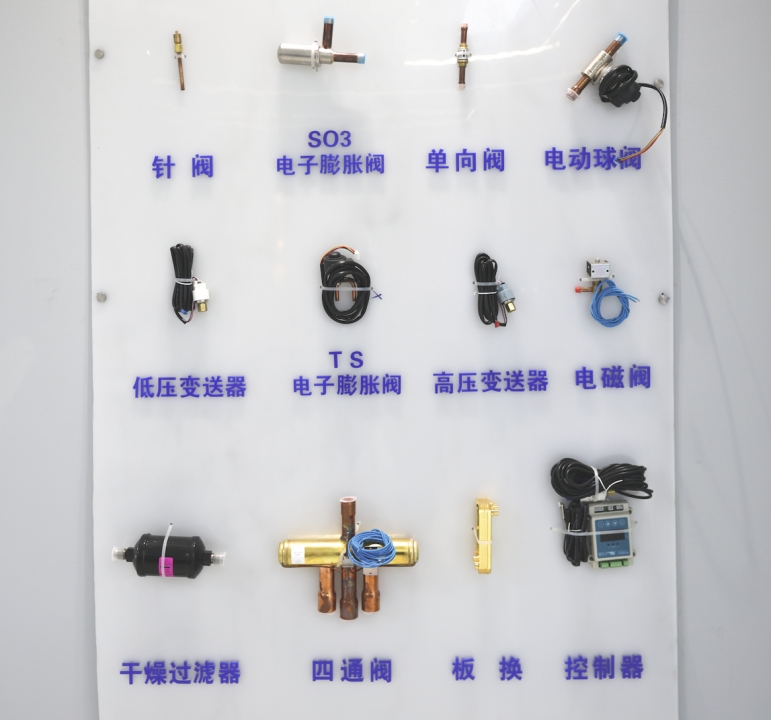
- Pressure control valves;
- Safety relief devices;
- Temperature sensors;
- Pressure gauges;
- Inspection ports;
- Connection pipelines.
These components help operators to monitor vessel performance and prevent unsafe pressure conditions.
Key Design Factors for Pressure Vessels
Designing a reliable pressure vessel requires careful consideration of mechanical, environmental, and operational factors. Engineers must evaluate multiple conditions before selecting the appropriate vessel structure and materials.
-
Operating Pressure
Operating pressure is one of the most important design parameters.
A vessel must be designed with sufficient strength to handle:
- Normal working pressure
- Maximum allowable working pressure
- Temporary pressure fluctuations
- Emergency conditions
Engineers typically include a safety margin to ensure the vessel can withstand unexpected operating changes.
-
Operating Temperature
Temperature directly affects material strength and durability.
High temperatures can reduce material strength, while extremely low temperatures may cause certain metals to become brittle.
Pressure vessel designers must evaluate:
- Minimum and maximum operating temperatures
- Thermal expansion
- Heat cycling frequency
- Material temperature resistance
For example, vessels used in power plants often require materials capable of maintaining mechanical strength under continuous high-temperature operation.
-
Material Selection
The selected material determines corrosion resistance, mechanical strength, and service life.
Important material considerations include:
- Tensile strength
- Corrosion resistance
- Weldability
- Fatigue resistance
- Cost effectiveness
For chemical applications, stainless steel may be preferred because of its resistance to aggressive substances. For general industrial storage, carbon steel is often chosen due to its balance between performance and cost.
-
Vessel Shape and Geometry
The shape of a pressure vessel affects stress distribution.
Common designs include:
- Cylindrical Pressure Vessels
These are the most common designs because they are practical to manufacture and transport. They are widely used for storage tanks, reactors, and processing equipment.
- Spherical Pressure Vessels
Spherical designs provide excellent pressure distribution because internal pressure creates more uniform stress across the structure.
They are commonly used for high-pressure gas storage.
-
Corrosion Protection
Corrosion can significantly reduce pressure vessel lifespan.
Protection methods include:
- Protective coatings
- Corrosion-resistant materials
- Internal liners
- Regular inspection programs
Industries handling chemicals or seawater environments require especially strong corrosion control strategies.
Pressure Vessel Selection Considerations
| Selection Factor | Why It Matters | Examples |
| Working Pressure | Determines required structural strength | Low-pressure storage, high-pressure gas systems |
| Temperature Range | Affects material performance | Cryogenic tanks, high-temperature reactors |
| Stored Medium | Determines corrosion requirements | Water, chemicals, gases |
| Material Type | Influences durability and service life | Carbon steel, stainless steel, alloy steel |
| Industry Standard | Ensures safety compliance | ASME, ISO, API requirements |
Pressure Vessel Safety Standards and Regulations
Because pressure vessels operate under potentially dangerous conditions, they are regulated by strict international standards.
These standards establish requirements for:
- Design calculations
- Material certification
- Manufacturing procedures
- Welding quality
- Inspection methods
- Testing requirements
-
ASME Boiler and Pressure Vessel Code (BPVC)
The ASME BPVC Section VIII is one of the most widely recognized standards for pressure vessel design and manufacturing.
It provides guidelines covering:
- Design pressure calculations
- Material selection
- Fabrication methods
- Inspection requirements
- Pressure testing procedures
Many manufacturers worldwide follow ASME standards to ensure their pressure vessels meet internationally accepted safety requirements.
-
ISO 16528 Standard
ISO 16528 provides general performance requirements for boilers and pressure vessels.
It focuses on:
- Structural integrity
- Safe operation
- Design principles
- Manufacturing quality
-
API 510 Inspection Code
The API 510 standard provides inspection guidelines for pressure vessels used in industries such as oil and gas.
It covers:
- Periodic inspection
- Maintenance practices
- Repair procedures
- Operational safety
Regular inspection is essential because pressure vessels experience continuous mechanical stress during operation.
Industries That Use Pressure Vessels
Pressure vessels are essential across many industries because they enable safe handling of materials under controlled pressure.
-
Oil and Gas Industry
The oil and gas industry is one of the largest users of pressure vessels.
Applications include:
- Gas separators
- Storage vessels
- Refinery equipment
- Processing reactors
These vessels handle hydrocarbons under demanding pressure and temperature conditions.
-
Chemical Industry
Chemical manufacturers use pressure vessels for:
- Reaction processes
- Mixing operations
- Chemical storage
- Separation systems
Because many chemicals are corrosive or hazardous, vessel design requires careful material selection.
-
Pharmaceutical Industry
Pharmaceutical manufacturing requires highly controlled environments.
Pressure vessels are used in:
- Sterilization equipment
- Mixing systems
- Reaction processes
- Storage applications
Stainless steel pressure vessels are commonly selected because they provide corrosion resistance and easier cleaning.
-
Food and Beverage Industry
Pressure vessels support processes such as:
- Fermentation
- Carbonation
- Pasteurization
- Ingredient processing
Hygienic design is especially important in food applications to prevent contamination.
-
Renewable Energy and Hydrogen Systems
With the development of clean energy technologies, pressure vessels are becoming increasingly important in hydrogen storage and carbon capture applications.
Hydrogen storage requires specially designed high-pressure vessels capable of safely containing lightweight molecules under extreme pressure.
Frequently Asked Questions (FAQ)
- What is a pressure vessel used for?
A pressure vessel is used to safely store, process, or transport gases and liquids under controlled pressure. Common applications include compressed air storage, chemical reactors, heat exchangers, gas storage, and energy systems.
- What industries use pressure vessels?
Pressure vessels are widely used in oil and gas, chemical processing, pharmaceuticals, food production, power generation, manufacturing, and renewable energy industries.
- What is the difference between a pressure vessel and a storage tank?
A pressure vessel is specifically designed to handle pressurized contents, while a standard storage tank usually operates at or near atmospheric pressure. Pressure vessels require stronger materials and stricter safety controls.
- What materials are used to make pressure vessels?
Common pressure vessel materials include carbon steel, stainless steel, alloy steel, and composite materials. Material selection depends on pressure, temperature, corrosion conditions, and application requirements.
- How long does a pressure vessel last?
The service life of a pressure vessel depends on design quality, operating conditions, material selection, corrosion control, and maintenance practices. Regular inspection can significantly extend operational lifespan.
- Why are pressure vessel inspections important?
Inspections identify problems such as corrosion, cracks, weld defects, and material degradation before they become safety hazards. Regular inspection helps maintain reliability and compliance with industry standards.
Conclusion
A pressure vessel is a fundamental component of modern industrial systems, providing a safe and controlled environment for storing and processing pressurised materials. They are used in many critical industrial processes, from compressed gas storage and chemical reactions to energy systems and advanced manufacturing.
The performance and safety of a pressure vessel depend on proper engineering design, the selection of suitable materials, accurate manufacturing, and regular inspection. International standards such as the ASME BPVC, ISO 16528, and API 510 provide essential guidelines to ensure that these systems operate safely under demanding conditions.
As industries continue to develop cleaner energy sources, more advanced manufacturing processes, and more efficient processing technologies, the importance of reliable pressure vessel solutions will only grow. Properly designed pressure vessels improve operational efficiency and protect workers, equipment, and industrial facilities from potential pressure-related risks.