

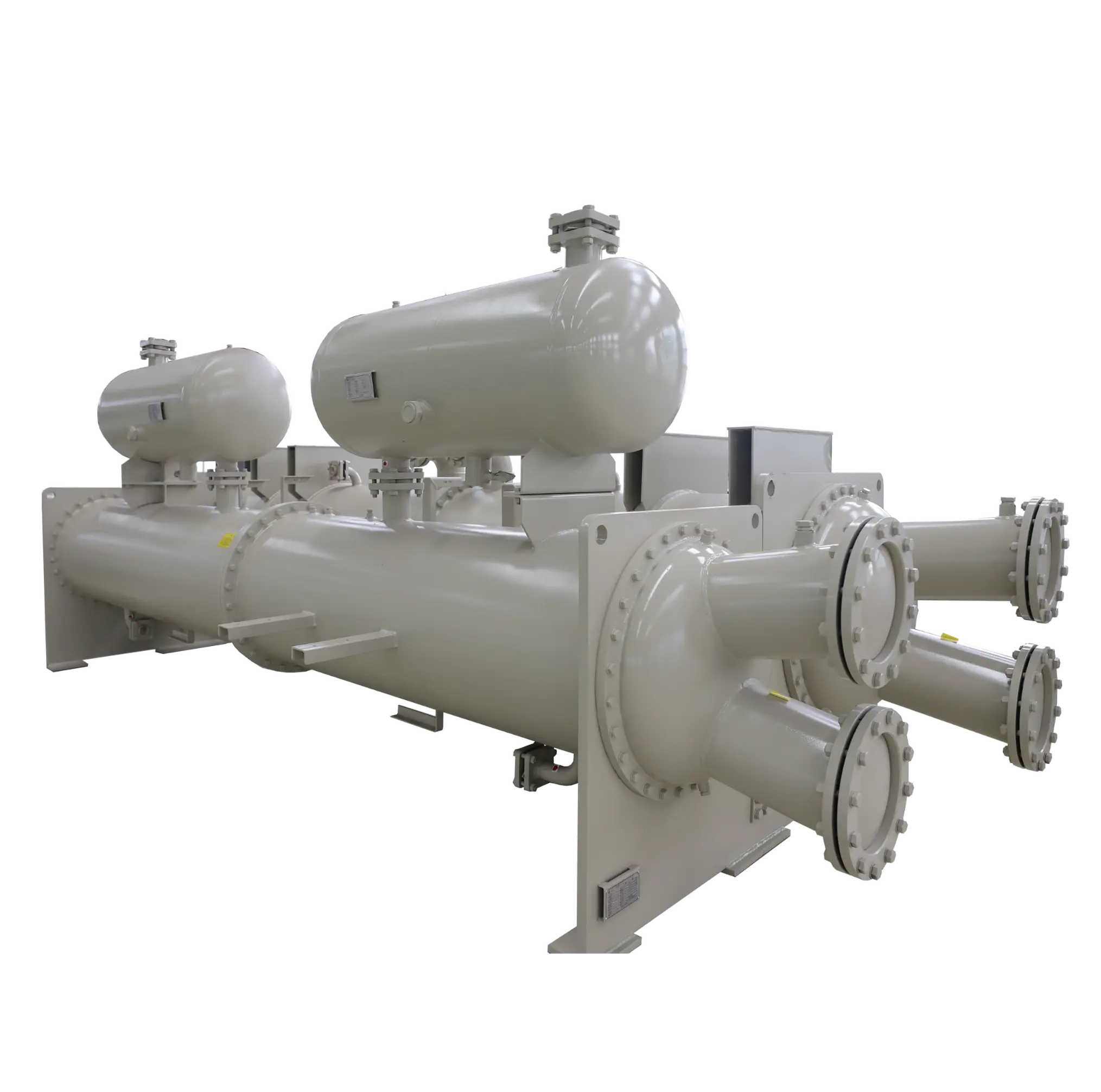
Cleaning heat exchanger tubes is essential for maintaining thermal efficiency and preventing unplanned shutdowns in industrial systems. According to TEMA (Tubular Exchanger Manufacturers Association) standards and research published in Applied Thermal Engineering, fouling on heat exchanger surfaces can reduce heat transfer efficiency by 20–30% and proportionally increase energy consumption. Effective cleaning requires identifying the type of fouling, selecting the most suitable cleaning method — mechanical, chemical or hydro-blasting — and adhering to a structured maintenance schedule to maximise service life.
Introduction: Why Heat Exchanger Tube Cleaning Cannot Be Ignored
Heat exchanger tubes form the backbone of thermal management in a variety of industries, including petrochemical refineries, HVAC systems, power generation plants, and food processing facilities. Over time, these tubes accumulate deposits of scale, biofilm, sludge, corrosion by-products, and other particulates — a phenomenon collectively known as ‘fouling’. If left unaddressed, fouling not only reduces system efficiency, but also creates pressure drops, accelerates corrosion, elevates operating temperatures beyond design limits, and can ultimately lead to catastrophic tube failure.
The financial stakes are high. The U.S. Department of Energy estimates that heat exchanger fouling costs U.S. industry alone over $4.4 billion annually in lost productivity, increased energy use, and maintenance expenditure. Yet many plant operators continue to treat tube cleaning as a reactive task rather than a proactive maintenance discipline. This guide addresses the shift in mindset required to understand the right techniques for the right fouling types.
Whether you are a maintenance engineer responsible for a shell-and-tube heat exchanger in a refinery or a facility manager overseeing a commercial chiller system, this article provides a thorough, practical framework for cleaning heat exchanger tubes properly, safely, and cost-effectively.
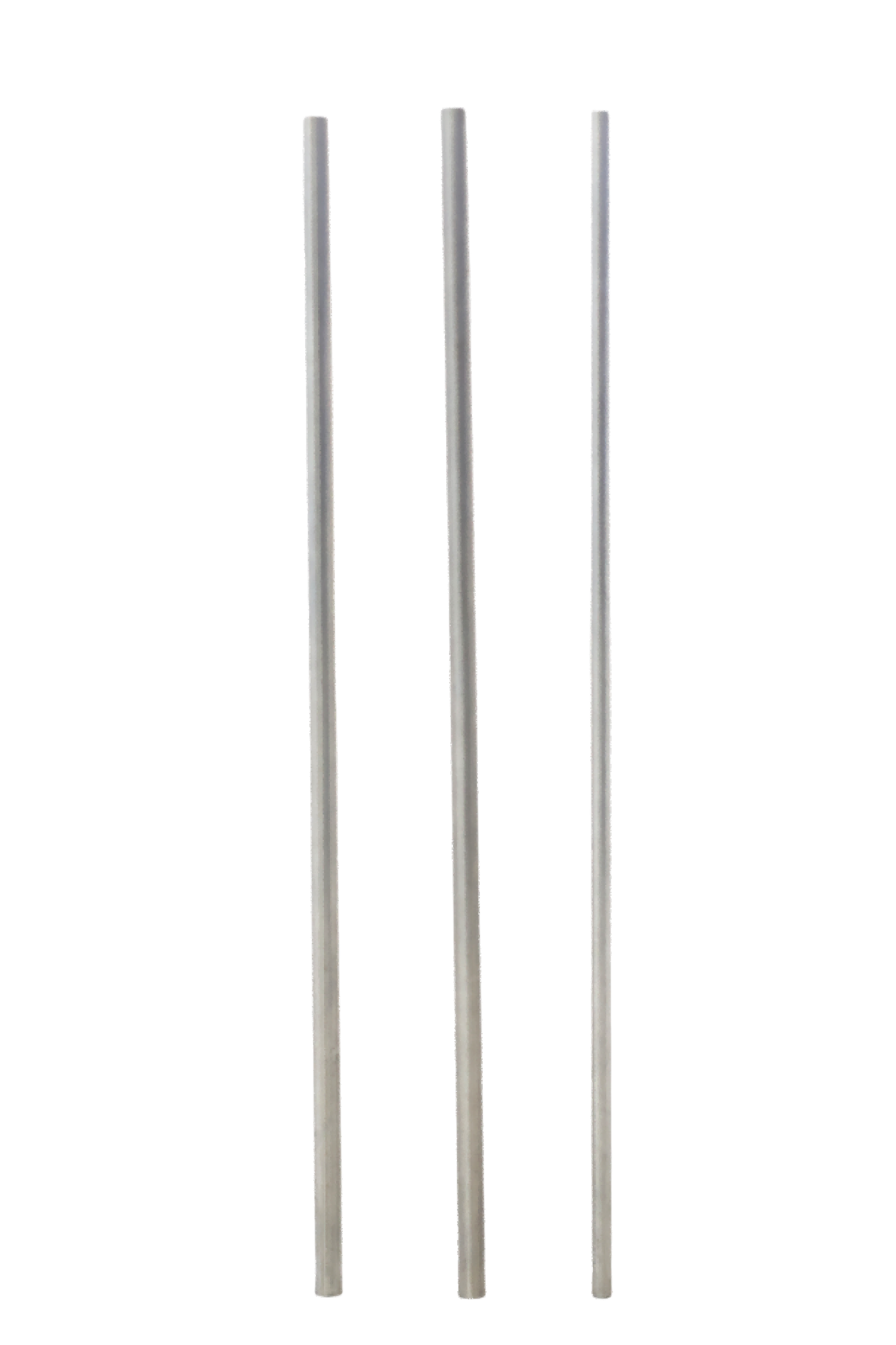
Understanding Fouling: The Root Cause of Why Tubes Need Cleaning
Before selecting a cleaning method, it is critical to understand what type of fouling is present. Not all deposits respond to the same treatment, and using the wrong approach can damage tube surfaces or create secondary contamination issues.
Fouling in heat exchanger tubes generally falls into five recognized categories as defined by TEMA and widely cited in heat transfer literature:
- Particulate Fouling occurs when suspended solids in the fluid stream — sand, rust particles, process debris — settle onto tube surfaces. This is common in cooling water circuits and open-loop systems exposed to environmental contamination.
- Crystallization (Scaling) Fouling forms when dissolved salts, most often calcium carbonate (CaCO₃) or calcium sulfate (CaSO₄), precipitate out of solution as temperatures rise. Hard mineral scale is one of the most thermally insulating deposits known in industrial heat transfer, with a thermal conductivity as low as 0.5–2.0 W/m·K — compared to steel at 50 W/m·K.
- Biological Fouling (Biofouling) develops when microorganisms such as bacteria, algae, and fungi colonize tube surfaces. Biofilm layers as thin as 0.1 mm can measurably degrade heat transfer performance and serve as a catalyst for microbiologically influenced corrosion (MIC).
- Corrosion Fouling results from oxidation reactions between tube material and the process fluid. Corrosion products like iron oxides (rust) adhere to surfaces and worsen over time if water chemistry is not controlled.
- Chemical Reaction Fouling (Polymerization Fouling) is specific to industries where process fluids contain organic compounds that polymerize or coke at elevated temperatures, such as crude oil refining or ethylene production.
| Particulate / Sedimentation | Cooling towers, water treatment | Gray/brown loose deposits | Medium |
| Crystallization / Scale | Power plants, desalination, HVAC | White/off-white hard crust | High |
| Biological / Biofilm | Open cooling systems, marine | Slimy, greenish-brown layer | High (also health risk) |
| Corrosion Products | All industries with steel/copper tubes | Reddish-brown, flaky | Medium-High |
| Chemical Reaction / Coking | Refineries, petrochemical plants | Black, carbonized hard deposits | Very High |
Step-by-Step: How to Clean Heat Exchanger Tubes
The cleaning process should follow a logical sequence: isolate the system, inspect, clean, inspect again, and recommission. Skipping steps — especially initial inspection — is one of the most common errors that leads to incomplete cleaning or re-fouling within a shorter-than-expected time frame.
Step 1 — Isolation and Lockout/Tagout (LOTO)
Before any cleaning begins, the heat exchanger must be properly isolated from all fluid circuits. This means closing isolation valves on both the tube-side and shell-side, draining all process fluids, and applying a formal lockout/tagout procedure in accordance with OSHA 29 CFR 1910.147 or applicable local safety regulations. Never attempt to clean a heat exchanger that is still under pressure or contains residual hazardous process fluids.
Step 2 — Visual Inspection and Fouling Assessment
Once drained and made safe, remove the channel head covers or bonnets to expose the tubesheet. Use a flashlight and a borescope (video inspection camera) to assess the condition of tube interiors. Document the fouling type, approximate thickness, and whether any tubes show signs of pitting, cracks, or wall thinning. This inspection determines which cleaning method is appropriate and establishes a baseline for post-cleaning comparison.
Step 3 — Mechanical Tube Cleaning
Mechanical cleaning is the most common first-line approach for removing soft to medium-hardness deposits. The two primary mechanical tools used are:
- Tube Brushes and Rods: Manual or pneumatically driven brushes are pushed through each tube to dislodge deposits. This is effective for loose particulate, biofilm, and light scale. Brush diameter selection matters — an undersized brush won’t contact the tube wall, while an oversized brush risks damaging the tube interior.
- Hydroblasting (High-Pressure Water Jetting): Using water pressures ranging from 1,000 to 40,000 PSI, hydroblasting is highly effective for moderate to heavy deposits. Ultra-high pressure (UHP) water jetting at 20,000–40,000 PSI can remove even hard mineral scale and coke deposits without the use of chemicals. This method also has the advantage of flushing loosened debris out simultaneously. Operators must use appropriate PPE — including waterproof suits, face shields, and reinforced boots — when working with UHP equipment.
- Tube Lancing: A high-pressure water lance is inserted directly into each tube and progressively advanced as it cleans. Tube lancing rigs can be automated with rotating nozzles to improve coverage of the full tube circumference, making them significantly more effective than simple straight-stream lancing for heavily fouled tubes.
Step 4 — Chemical Cleaning (Circulation or Soak Method)
When mechanical methods alone are insufficient — particularly for hard mineral scale, biofouling, or corrosion products — chemical cleaning is employed either as a standalone treatment or in combination with mechanical methods.
The chemical circulation method involves filling the tube side with a cleaning solution, circulating it for a defined dwell time (typically 2–24 hours depending on deposit severity), and then flushing the system with clean water. Common chemical agents include:
- Inhibited Hydrochloric Acid (HCl, 5–15%): Highly effective for calcium carbonate scale. A corrosion inhibitor must always be added to protect the base metal.
- Sulfamic Acid: A safer, less fuming alternative to HCl, commonly used in food-grade or HVAC applications.
- Citric Acid: Preferred for stainless steel and copper alloy tubes due to its lower corrosivity. Effective for light-to-moderate carbonate scale.
- Alkaline Cleaners (Sodium Hydroxide-based): Effective for oil, grease, and organic deposits. Often used in the food and dairy industries.
- Biocide Treatments: For biological fouling, oxidizing biocides (chlorine, bromine, hydrogen peroxide) or non-oxidizing biocides are added to kill the biofilm before physical removal.
Always refer to the tube material specifications and the chemical supplier’s technical data sheet before selecting a cleaning agent. Using an acidic cleaner on an incompatible alloy (e.g., strong HCl on copper tubes) can cause more damage than the fouling itself.
Mechanical vs. Chemical Cleaning: Choosing the Right Method
Selecting the optimal cleaning strategy requires balancing deposit type, tube material, environmental regulations, cost, and required downtime. The following comparison matrix summarizes key decision factors:
| Best For | Particulate, soft scale, biofilm (physical layer) | Hard scale, corrosion products, organic deposits |
| Equipment Required | Brushes, hydroblast unit, lancing rigs | Chemical pumps, mixing tanks, neutralization equipment |
| Tube Material Risk | Low (if correct brush/nozzle size used) | Medium-High (requires material compatibility check) |
| Environmental Waste | Water and debris slurry only | Spent acid/alkali — requires neutralization and disposal |
| Typical Downtime | 4–16 hours depending on size | 8–48 hours including dwell and flush time |
| Cost (Relative) | Lower for routine cleaning | Higher due to chemical procurement and waste disposal |
| Effectiveness on Hard Scale | Moderate (UHP hydroblasting works well) | High (acid dissolves scale chemically) |
| Safety Considerations | Pressure hazards, physical strain | Chemical exposure, fume generation |
In practice, the most effective cleaning programs combine both methods: a chemical soak to soften and dissolve deposits, followed by mechanical hydroblasting to flush and physically remove the loosened material. This integrated approach consistently delivers better results than either method in isolation, particularly in refinery and power plant applications where deposits are multi-layered and of mixed composition.
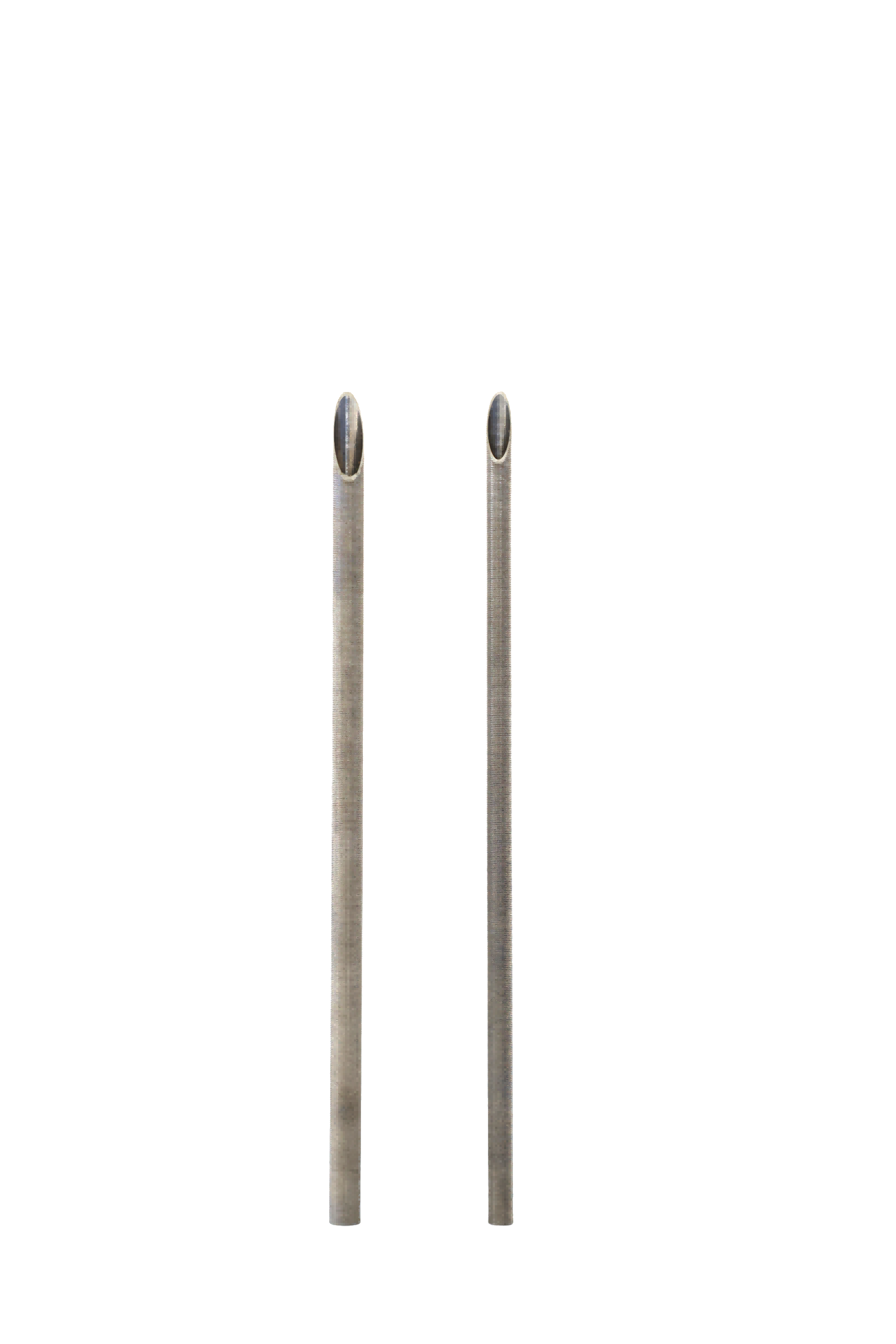
Preventive Maintenance: Keeping Heat Exchanger Tubes Clean Longer
Cleaning alone is only half the solution. A robust preventive maintenance programme can extend the time between shutdowns and reduce the impact of fouling when cleaning is required.
Water Treatment and Chemistry Control: For cooling water systems, maintaining the correct levels of inhibitors, a pH level of between 7.0 and 8.5, and blowdown rates dramatically reduces the formation of scale and biofouling. ASHRAE Standard 188 (Legionella Risk Management) also requires documented water management plans for cooling tower circuits, making biological fouling control a regulatory obligation as well as an engineering one.
Velocity Management: Maintaining an adequate fluid velocity through the tubes — typically above 1.0 m/s for water-side applications — prevents the build-up of particles and reduces the likelihood of biological colonisation. Dead legs and low-flow zones should be identified and eliminated during the design or retrofit phase.
Online monitoring: Modern heat exchangers increasingly incorporate fouling monitoring systems that track the heat transfer coefficient (U-value) in real time. A measurable decline in the U-value of 10–15% from the clean baseline typically triggers a cleaning event. This data-driven approach eliminates guesswork and enables maintenance to be scheduled during planned downtime rather than forced outages.
Tube Coatings and Material Upgrades: For applications prone to chronic fouling, anti-fouling tube coatings (PTFE or specialised polymer linings) and titanium or duplex stainless steel tubes can significantly reduce adhesion of fouling and corrosion, thereby reducing the frequency of cleaning and extending the life of the equipment well beyond the typical 15–20 year baseline for carbon steel.
Frequently Asked Questions (FAQ)
Q1: How often should heat exchanger tubes be cleaned?
The cleaning frequency depends on the fouling rate, fluid type, and operating conditions. For most industrial cooling water systems, a semi-annual cleaning schedule (every 6 months) is a reasonable starting point. However, data-driven monitoring based on observed U-value degradation is more accurate than fixed intervals. High-fouling applications — such as seawater-cooled systems or open cooling towers — may require quarterly cleaning.
Q2: What is the most effective method for removing hard mineral scale from heat exchanger tubes?
Inhibited acid cleaning (typically dilute hydrochloric acid or sulfamic acid) is the most effective method for dissolving hard calcium carbonate or calcium sulfate scale. For extremely thick or multi-layer scale, a pre-treatment soak followed by UHP hydroblasting at 20,000+ PSI gives the best combined result. Always ensure the acid is compatible with the tube alloy before treatment.
Q3: Can heat exchanger tubes be cleaned without removing the heat exchanger from service?
In some configurations, on-line cleaning systems can be employed — such as automated sponge ball cleaning systems (Taprogge-type) for water-cooled condensers, or continuous chemical injection programs. These do not eliminate the need for periodic offline cleaning but significantly extend the intervals between shutdowns by preventing deposit buildup in the first place.
Q4: How do I know if my heat exchanger tubes need cleaning?
Key indicators include: a measurable increase in pressure drop across the heat exchanger (suggesting flow restriction from deposits), a decline in the outlet temperature of the fluid being heated or cooled (reduced thermal efficiency), rising energy consumption in associated pumps or compressors, or a direct borescope inspection revealing visible deposit buildup. TEMA guidelines suggest cleaning when the fouling resistance approaches the design fouling factor.
Q5: Is hydroblasting safe for thin-wall heat exchanger tubes?
Hydroblasting pressure must be carefully matched to tube wall thickness, material, and condition. For standard industrial heat exchangers with wall thicknesses of 1.5–2.5 mm, pressures below 10,000 PSI are generally safe. For thin-wall tubes or tubes that show evidence of pitting or wall thinning during inspection, lower-pressure water jetting or chemical cleaning is preferred. Always consult the original equipment manufacturer (OEM) specifications.
Q6: What causes heat exchanger tubes to foul so quickly after cleaning?
Rapid re-fouling after cleaning is almost always a symptom of an underlying system condition, not a cleaning failure. Common root causes include: inadequate water treatment (low inhibitor dosage, incorrect pH), insufficient flow velocity through the tubes, biological contamination in the water source, incompatible tube material generating corrosion products, or a process-side temperature excursion that promotes crystallization. Addressing the root cause, not just repeating the cleaning cycle, is the only sustainable solution.
Conclusion
Cleaning heat exchanger tubes is a discipline that combines materials science, fluid dynamics, and practical maintenance engineering. When carried out correctly, with the correct identification of fouling, selection of method, safety protocols and follow-up preventive measures, cleaning the tubes restores full thermal performance, prevents unplanned outages and significantly extends the service life of the equipment. The difference between a plant that cleans reactively when performance deteriorates, and one that cleans proactively based on monitored data is not just a matter of efficiency — it provides a measurable competitive and financial advantage. For any industrial operator serious about asset reliability and energy optimisation, a structured heat exchanger tube cleaning programme is essential.