
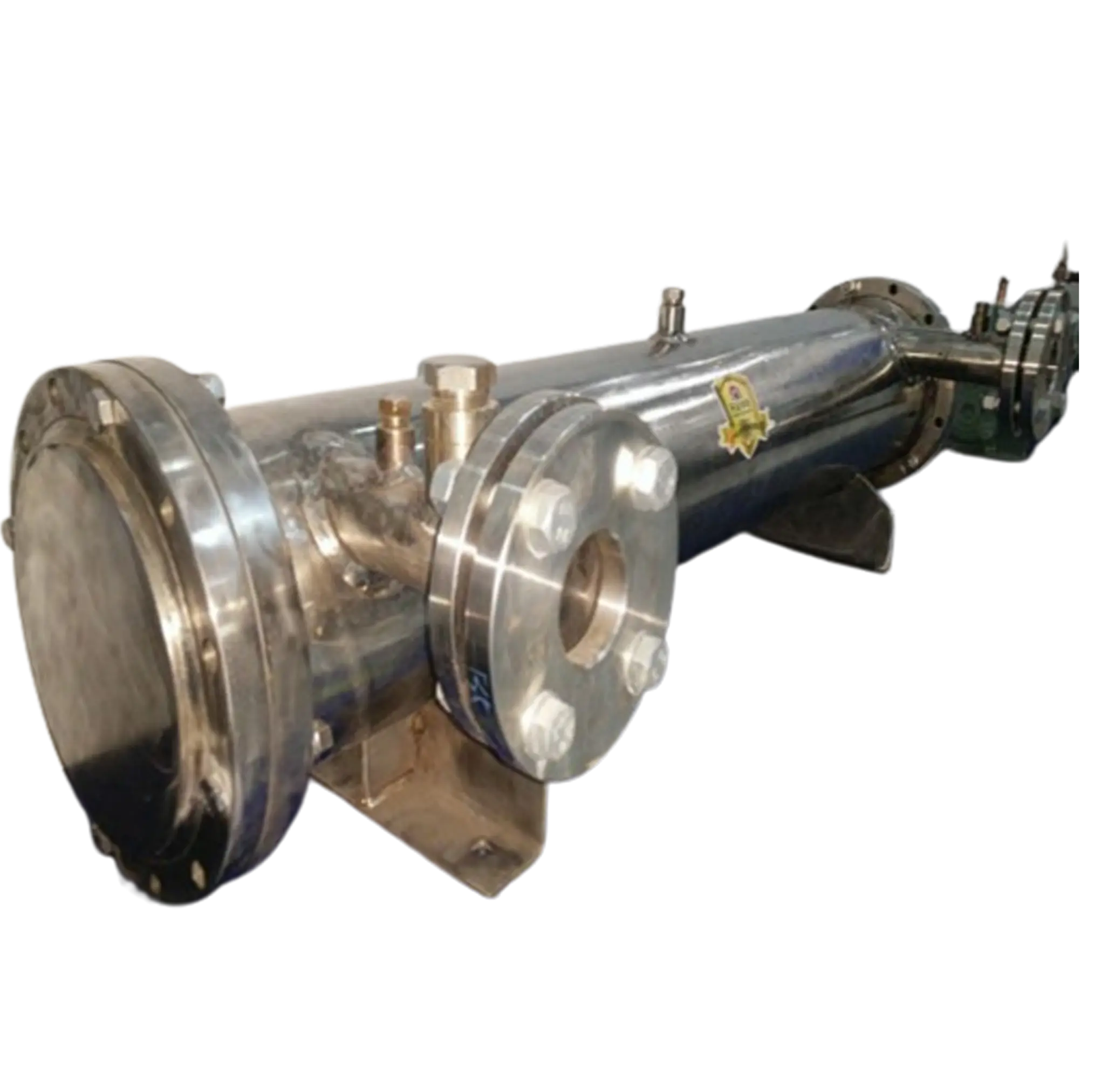
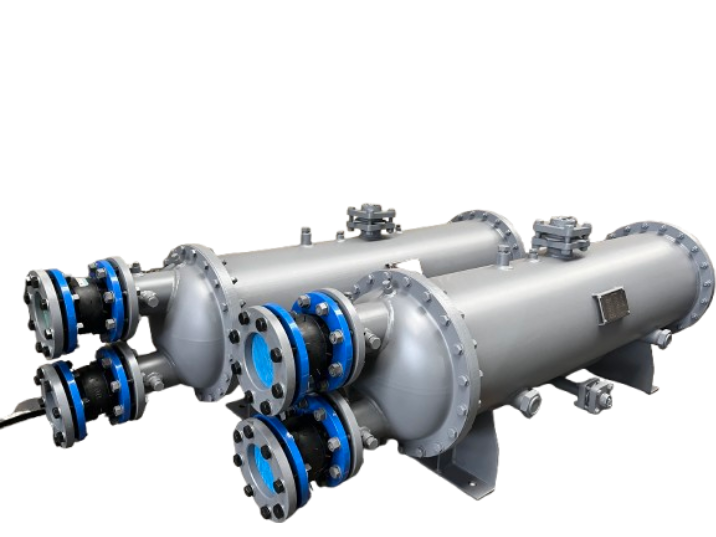
For many industrial heat exchangers, 316L stainless steel is a practical choice when greater corrosion resistance is required than that offered by 304L, particularly in systems exposed to moisture, chlorides, salts, or frequent cleaning. However, there is no one best type of stainless steel. For example, 304L is suitable for mild environments, whereas duplex 2205, super duplex 2507 or higher-alloy austenitic grades may be necessary for severe chloride or chemical service. Outokumpu identifies 304L and 316L as the most commonly used stainless steels for plate heat exchangers, and states that higher-alloy and duplex grades are chosen for more challenging environments.
The correct grade depends on the process fluid, chloride level, temperature, pressure, cleaning chemicals, welding requirements, and expected service life. ASME’s heat exchanger standards also emphasise that thermal performance, pressure drop, fluid characteristics, and operating conditions must be considered together when designing heat transfer equipment.
Why Stainless Steel Selection Matters for Heat Exchangers?
Although a heat exchanger may appear to be a relatively simple piece of process equipment, its wetted surfaces are subject to continuous thermal, chemical, and mechanical stress. Depending on the application, the heat-transfer surface may be exposed to cooling water, hot water, steam, glycol, process chemicals, food products, brine, wastewater, oil, or corrosive gases. Meanwhile, factors such as temperature cycling, pressure differences, deposits, cleaning procedures, and flow conditions can gradually affect the material.
Stainless steel is widely used because the presence of chromium enables the formation of a passive oxide layer that protects the underlying metal from corrosion. However, it is important to note that stainless steel is corrosion-resistant rather than corrosion-proof. Pitting corrosion, crevice corrosion, stress corrosion cracking, erosion-corrosion, and corrosion associated with welding or deposits can still occur if the material is not suitable for the operating environment.
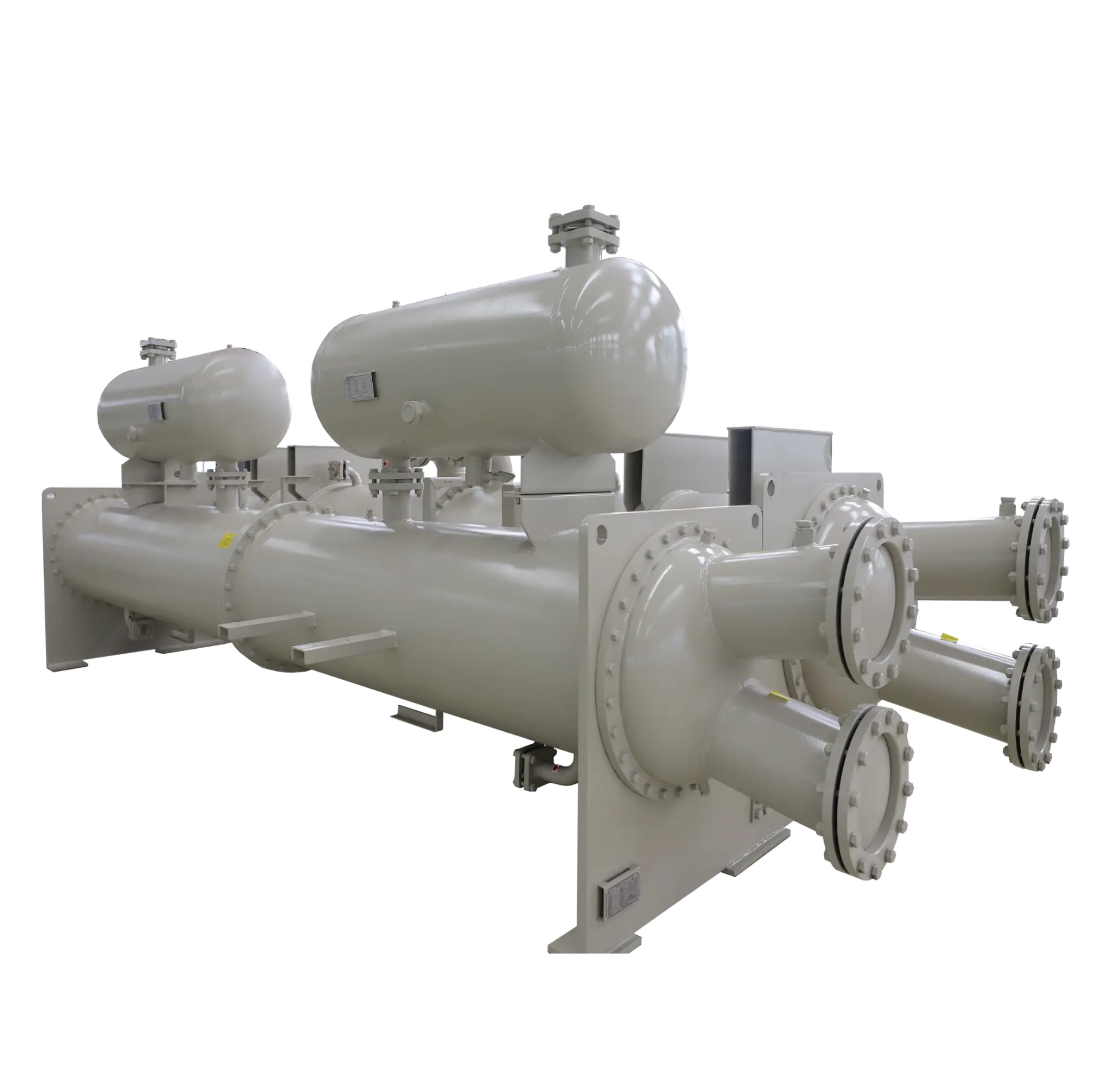
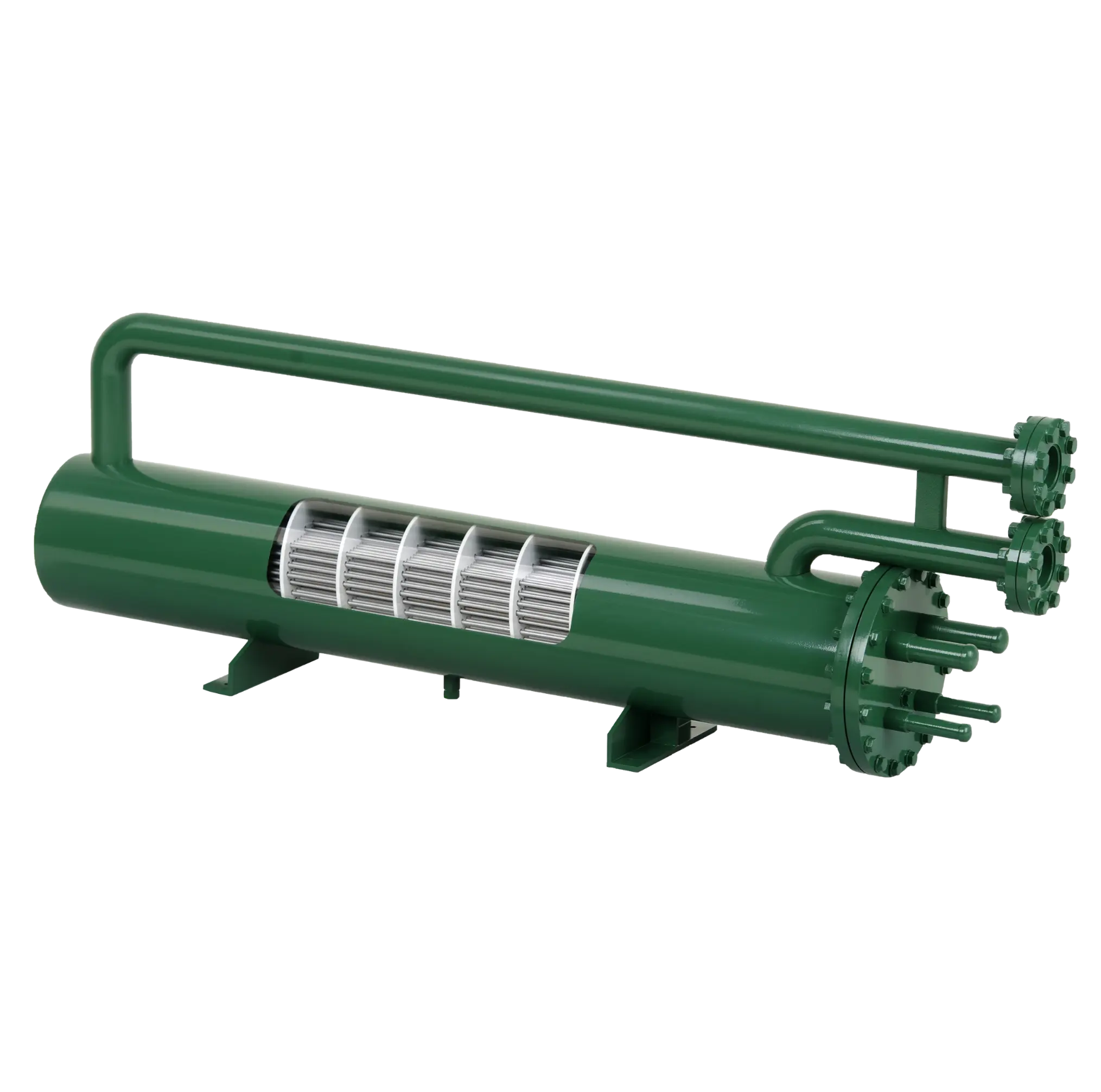
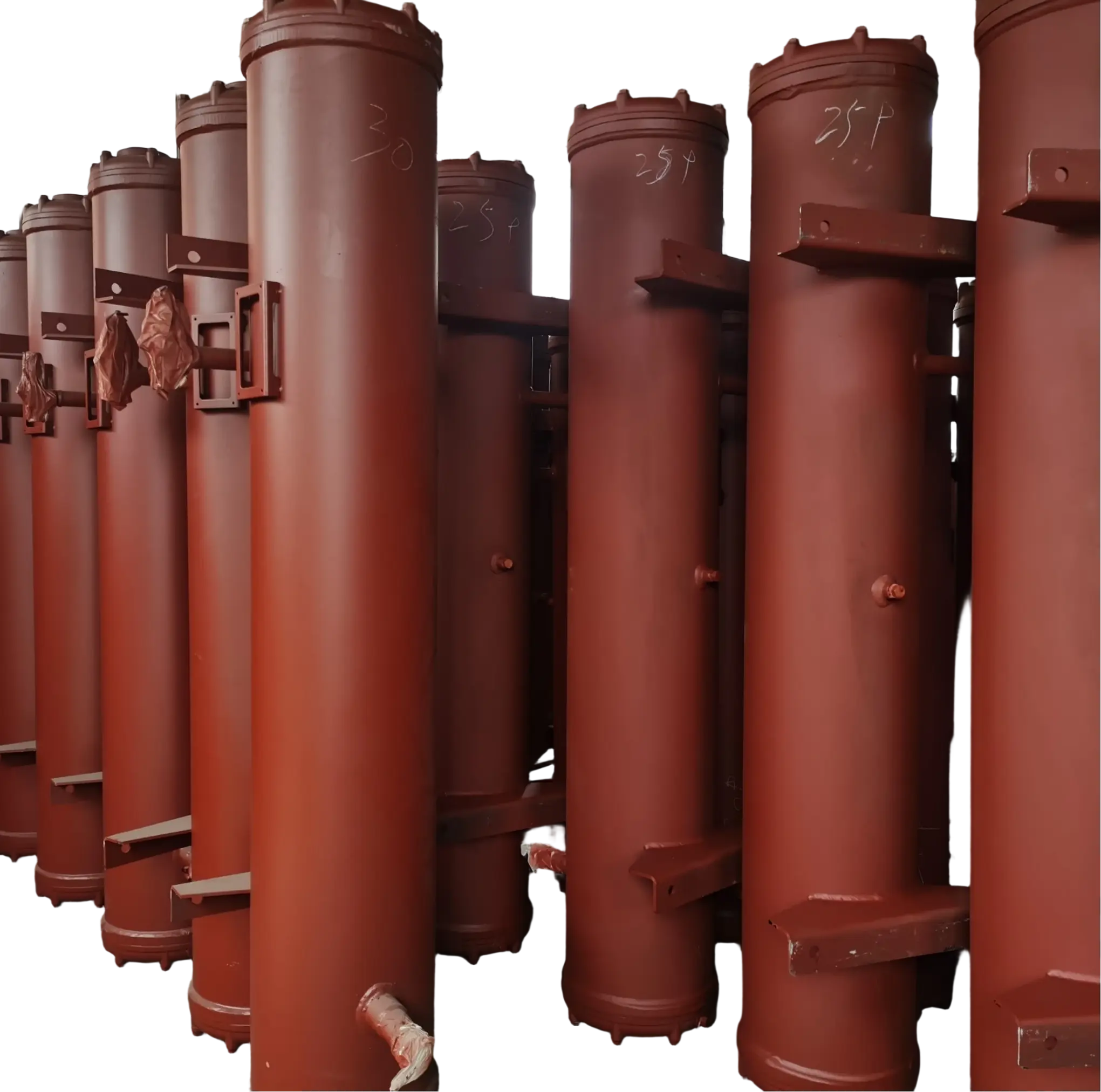
This distinction is particularly important for a stainless steel modular unit heat exchanger. Modular heat exchangers are often designed for compact installation, repeatable manufacturing, convenient integration, and relatively straightforward maintenance. Despite their small footprint, the importance of material selection is not reduced; instead, narrow flow passages, thermal cycling, welded or formed components, and potentially aggressive fluids mean that the grade of stainless steel is an integral part of the equipment design.
A common purchasing mistake is to ask for ‘stainless steel’ without specifying the grade. Another mistake is assuming that the most expensive stainless steel will automatically provide the best result. In practice, the objective is to select the lowest-cost material that provides an appropriate margin for corrosion and mechanical performance in the actual service conditions.

Is 304L or 316L Better for a Heat Exchanger?
304L Stainless Steel
304L is one of the most widely used austenitic stainless steels in industrial fabrication. It offers a useful combination of corrosion resistance, weldability, formability, availability, and cost, making it suitable for many general-purpose heat-transfer applications.
A 304L heat exchanger can be appropriate when the process medium is relatively mild, and chloride exposure is limited. Typical considerations may include clean water, relatively non-aggressive process fluids, air heating or cooling, and applications where the equipment does not experience severe chemical cleaning conditions.
The low-carbon “L” designation is also relevant to fabricated heat exchangers. During welding, low-carbon grades reduce the risk of chromium-carbide precipitation and the associated susceptibility to intergranular corrosion in affected areas. This makes 304L useful when the heat exchanger contains welded channels, headers, pipe connections, or other fabricated components.
The limitation is localized corrosion resistance. When chloride concentration, temperature, deposits, or chemical aggressiveness increases, 304L can become less suitable. Choosing it purely because it is inexpensive may result in higher maintenance or premature replacement if the operating environment is more aggressive than originally assumed.
316L Stainless Steel
316L contains molybdenum in addition to chromium and nickel. This alloying element generally improves resistance to pitting and crevice corrosion compared with 304L, particularly in environments containing chlorides.
For this reason, 316L is frequently considered when a heat exchanger must handle more demanding water or process conditions. It is widely used in applications where cleanliness and corrosion resistance are important, including food processing, pharmaceutical production, chemical processing, and various water-handling systems.
For a Stainless Steel Modular Unit Heat Exchanger, 316L is often a sensible material when the application requires a stronger corrosion-resistance margin than 304L but does not justify moving to a duplex or highly alloyed material.
It is important not to interpret “316L” as a guarantee against chloride corrosion. High chloride concentrations, elevated temperatures, stagnant areas, crevices, deposits, and certain chemical combinations can still cause localized attack. Material selection should therefore be based on the actual process data rather than the grade name alone.
304L vs. 316L at a Glance
| Property | 304L Stainless Steel | 316L Stainless Steel |
| Stainless steel family | Austenitic | Austenitic |
| Main alloying elements | Chromium, nickel | Chromium, nickel, molybdenum |
| General corrosion resistance | Good | Better in many aggressive environments |
| Chloride resistance | Moderate | Higher than 304L, but not unlimited |
| Weldability | Excellent | Excellent |
| Fabrication | Easy | Easy |
| Typical cost | Lower | Higher |
| Typical heat-exchanger use | Mild industrial service | More demanding water/process service |
| Severe chloride service | Usually not preferred | May still be insufficient |
| Common advantage | Cost and availability | Improved localized corrosion resistance |
When Duplex Stainless Steel Becomes a Better Choice?
At a certain point, upgrading from 304L to 316L is insufficient. When the demands of factors such as chloride exposure, mechanical loading, temperature, and process chemistry become significantly greater, duplex stainless steels such as 2205 can offer a different balance of corrosion resistance and mechanical strength.
Duplex stainless steels have a mixed austenitic-ferritic microstructure. This gives them a higher yield strength than conventional austenitic grades, as well as strong corrosion resistance. These characteristics make duplex grades attractive for use in heat exchangers operating with seawater, brackish water, high-chloride process fluids, or other demanding industrial media.
One practical advantage is that the higher strength enables designers to achieve the required pressure capability using less material in certain applications. However, this does not mean that every 2205 heat exchanger should simply be made thinner. Pressure design, fabrication rules, forming behaviour, welding procedures, and applicable standards must all be evaluated together.
For even more aggressive environments, super duplex 2507 or highly alloyed austenitic stainless steels may be a better option. While these materials offer substantially higher corrosion resistance than standard 304L and 316L, they also introduce higher material costs and more demanding fabrication requirements.
The selection process therefore needs to balance three variables: corrosion risk, mechanical requirements, and lifecycle economics. Selecting a premium alloy without a clear environmental requirement can unnecessarily increase capital costs, whereas selecting an insufficient grade could result in much greater costs further down the line.
The Process Fluid Usually Determines the Stainless-Steel Grade
When it comes to material selection, the fluid flowing through the heat exchanger is often more important than the model itself. ‘Water’ is not a precise enough description, as different types of water, such as freshwater, treated water, seawater, cooling-tower water, process water and high-purity water, can produce very different corrosion conditions.
Chloride concentration is especially important. Chloride ions can penetrate defects in the passive film and initiate localised corrosion, particularly when the temperature and concentration increase. Crevices and deposits can exacerbate the situation because they create localised chemical conditions that differ from those of the surrounding fluid.
pH, dissolved oxygen, conductivity, sulfides, organic acids, cleaning chemicals, and contaminants can also affect the performance of materials. Therefore, a heat exchanger used in a food processing facility may face a different material selection problem than one used in a chemical plant, even if both systems operate at similar temperatures.
When designing a modular unit, engineers should evaluate the fluid on both sides of the heat-transfer surface. The material must tolerate the more aggressive side, and the design should also account for transient conditions such as start-up, shut-down, cleaning, concentration changes, and periods of low flow.
Temperature Changes the Corrosion Equation
Temperature is another factor that means stainless steel selection cannot be based solely on fluid composition. As temperature rises, many corrosion mechanisms become more active, and the tolerance of a particular alloy to localised corrosion may decrease.
This is particularly relevant when chlorides are present. A chloride concentration that appears manageable at a relatively low temperature can become significantly more problematic at an elevated temperature. As heat exchangers are temperature-sensitive pieces of equipment, the material assessment should consider the actual operating temperature and maximum credible temperature rather than merely the average process temperature.
Thermal cycling should also be considered. Repeated heating and cooling can create mechanical stresses, affect seals and joints, and contribute to fatigue over long service periods. Where welded construction is involved, the impact of welding procedures and the post-fabrication surface condition on corrosion performance can be significant.
Heat Transfer Performance Is Also a Material-Selection Issue
Although corrosion resistance is critical, a heat exchanger must still transfer heat efficiently. The thermal conductivity, surface condition, thickness, geometry and fouling behaviour of the material all influence the unit’s overall thermal performance.
Stainless steel generally has lower thermal conductivity than copper and aluminium alloys. Nevertheless, it remains widely used in applications where corrosion resistance, hygiene, mechanical strength, durability and compatibility with the process are more important than maximising thermal conductivity alone.
In compact plate or modular designs, manufacturers can compensate for thermal limitations related to the material through plate geometry, channel design, turbulence, surface patterns, flow arrangement and optimised heat-transfer area. This is one reason why the statement ‘higher thermal conductivity always means a better heat exchanger material’ is too simplistic.
A well-designed stainless steel modular unit heat exchanger should be evaluated as a complete thermal system, rather than by considering the material’s conductivity in isolation.
Key Factors to Check Before Selecting Stainless Steel
A reliable specification should contain more information than “316L stainless steel.” Procurement and engineering teams should establish the process conditions first and then identify the appropriate material range.
- Fluid composition
Identify the exact process medium, including chloride concentration, pH, dissolved salts, cleaning chemicals, and known contaminants. If the fluid composition changes during production or cleaning, the most aggressive condition should also be considered.
- Operating and design temperature
Record normal operating temperature, maximum temperature, startup and shutdown conditions, and cleaning temperatures. Temperature can substantially influence localized corrosion and material performance.
- Pressure and mechanical loading
The material must satisfy the mechanical requirements of the heat exchanger, including operating pressure, design pressure, pressure cycling, and any applicable pressure-vessel or heat-exchanger standard.
- Cleaning and sanitation
CIP systems can expose heat-transfer surfaces to acids, caustic solutions, oxidizing chemicals, and elevated temperatures. A stainless steel grade that performs adequately during normal production may behave differently during repeated cleaning cycles.
- Fabrication method
Consider whether the unit is welded, brazed, formed, machined, or assembled from multiple components. Welding procedures, heat-affected zones, surface finishing, and post-weld treatment can all influence corrosion resistance.
- Required service life
A low initial purchase price is not necessarily the lowest total cost. If a more corrosion-resistant material extends operating life, reduces cleaning problems, and lowers replacement frequency, its higher initial cost may be justified.
Stainless Steel Selection by Application
Different industries place different demands on heat-transfer equipment. Food and beverage applications may prioritize hygiene, cleanability, corrosion resistance, and compatibility with frequent sanitation. Chemical processing may place greater emphasis on resistance to specific acids, solvents, salts, or aggressive process fluids.
Water and wastewater systems can be particularly complicated because water chemistry varies substantially between facilities. Cooling-tower systems, for example, can concentrate dissolved minerals and chlorides, while seawater systems impose an inherently aggressive chloride environment.
The following comparison provides a practical starting point rather than a universal material-selection rule:
| Application Environment | Typical Stainless-Steel Consideration | Main Reason | Key Caution |
| Clean water, mild service | 304L | Cost-effective corrosion resistance | Check chloride level |
| General industrial process water | 304L / 316L | Depends on chemistry | Analyze water composition |
| Chloride-containing water | 316L | Better localized corrosion resistance | Temperature matters |
| Food and beverage processing | 316L | Corrosion resistance and hygiene | Cleaning chemistry is critical |
| Pharmaceutical process systems | 316L | Cleanability and corrosion resistance | Surface finish and fabrication matter |
| Brackish water | 316L / duplex 2205 | Higher corrosion resistance may be needed | Verify chloride and temperature |
| Seawater service | Duplex/super duplex or specialized alloys | Severe chloride environment | 316L may be insufficient |
| Aggressive chemical service | Higher-alloy stainless steel or alternative alloy | Specific chemical resistance | Requires detailed compatibility assessment |
Why 316L Is Often the Practical Middle Ground?
316L occupies an important position between the more commonly used 304L stainless steel and the more highly alloyed stainless steels. It offers a significant improvement in localised corrosion resistance, while avoiding the material and fabrication complexities associated with many duplex or nickel-rich alloys.
This makes it particularly useful for designing compact, modular heat-transfer systems for industrial facilities that require reliable corrosion resistance, but which do not operate in extreme environments. 316L can also simplify procurement due to its widespread recognition, commercial availability, and support from established fabrication practices.
However, the correct specification should still identify the required standard, product form, surface condition, thickness, welding requirements, and applicable design code. ‘316L’ by itself does not fully describe a finished heat exchanger.
In applications involving severe chloride exposure, the design team should consider whether duplex 2205, super duplex 2507, a higher-alloy austenitic grade, titanium, or another corrosion-resistant material would offer a more suitable technical solution. The answer depends on the specific chemistry and operating conditions.
Common Mistakes When Choosing Stainless Steel for Heat Exchangers
A common mistake is to select the material solely according to price. While material cost is an important factor, corrosion-related downtime, cleaning, replacement, and lost production can be much more expensive over the equipment’s lifecycle.
Another common error is assuming that 316L is automatically suitable for use in seawater. While 316L generally offers better chloride resistance than 304L, seawater is a demanding environment and specialised materials are often necessary for long-term reliability.
A third mistake is to evaluate normal operating conditions but ignore cleaning conditions. In food, beverage, pharmaceutical, and other sanitary applications, the heat exchanger may be exposed to cleaning chemicals at elevated temperatures for extended periods. The material must tolerate the entire operating cycle, not just the production phase.
Surface condition is another overlooked factor. Welding discolouration, contamination from fabrication tools, rough surfaces, deposits, and poorly controlled finishing can all undermine the corrosion performance expected from a high-quality stainless steel grade.
Finally, buyers sometimes focus on the stainless steel grade while overlooking the heat exchanger design itself. Channel velocity, flow distribution, dead zones, fouling, drainage, weld quality, gasket selection, inspection, and maintenance access can all affect real-world performance.
How to Choose Stainless Steel for a Modular Heat Exchanger?
For a Stainless Steel Modular Unit Heat Exchanger, material selection can be organized into a straightforward engineering sequence.
Step 1: Define the process fluids. Record the composition, chloride level, pH, contaminants, and cleaning chemicals on both sides of the heat-transfer surface.
Step 2: Establish operating conditions. Determine normal and maximum temperature, pressure, flow rate, thermal cycling, and startup/shutdown conditions.
Step 3: Identify the corrosion mechanism. Determine whether the main concern is general corrosion, pitting, crevice corrosion, stress corrosion cracking, erosion-corrosion, or another mechanism.
Step 4: Establish the minimum material requirement. Compare 304L, 316L, duplex 2205, super duplex, higher-alloy stainless steels, and non-stainless alternatives where appropriate.
Step 5: Verify fabrication compatibility. Check welding, forming, machining, surface treatment, inspection, and applicable standards.
Step 6: Compare lifecycle economics. Consider purchase cost, maintenance, downtime, expected service life, replacement difficulty, and cleaning requirements.
This process prevents the common situation in which the material is chosen first, and the operating conditions are considered afterward.
Frequently Asked Questions
- What type of stainless steel is best for heat exchangers?
316L is often a practical choice for heat exchangers requiring more corrosion resistance than 304L. More severe chloride or chemical environments may require duplex or higher-alloy stainless steel.
- Is 304 stainless steel suitable for heat exchangers?
304 or 304L can be suitable for heat exchangers operating with relatively mild fluids and limited chloride exposure. It becomes less attractive as chloride concentration, temperature, or chemical aggressiveness increases.
- Why is 316L commonly used in heat exchangers?
316L contains molybdenum, which generally improves resistance to localized corrosion compared with 304L. It is therefore widely considered for water, food-processing, pharmaceutical, and industrial process applications.
- Is 316L stainless steel suitable for seawater heat exchangers?
316L can have inadequate resistance for long-term severe seawater exposure. Duplex, super duplex, titanium, or other specialized materials may be considered depending on the complete operating conditions.
- What is the difference between 304L and 316L heat exchangers?
The main alloy difference is that 316L contains molybdenum, giving it better resistance to many chloride-related localized corrosion conditions. 304L generally offers lower material cost and can be sufficient for less aggressive service.
- What stainless steel is best for a modular heat exchanger?
The best grade depends on the fluid chemistry, temperature, pressure, cleaning cycle, and required service life rather than the modular design itself. 316L is a common starting point, while 304L or duplex grades may be more appropriate depending on the application.
Conclusion
No single stainless steel grade is best for every heat exchanger. 304L, 316L, duplex 2205, super duplex 2507, and higher-alloy stainless steels each have their own place in the material selection spectrum, and the most suitable option depends primarily on the service environment in question.
For many industrial applications, 304L is an economical solution in mild corrosion conditions, while 316L is useful in more demanding conditions involving chlorides, cleaning chemicals, moisture, or process fluids. However, when the environment becomes substantially more aggressive, particularly in the presence of high chloride concentrations and elevated temperatures, the use of duplex or specialised corrosion-resistant alloys may be necessary.
For a stainless steel modular unit heat exchanger, the most reliable specification therefore starts with the process rather than the product name. Fluid chemistry, temperature, pressure, heat-transfer requirements, cleaning regime, fabrication method, corrosion mechanism, maintenance strategy and expected service life should all be assessed before the final stainless steel grade is selected. The result is not just a heat exchanger that is more resistant to corrosion, but a system that is designed around the conditions that it will have to withstand throughout its operating life.