Best condenser for a car
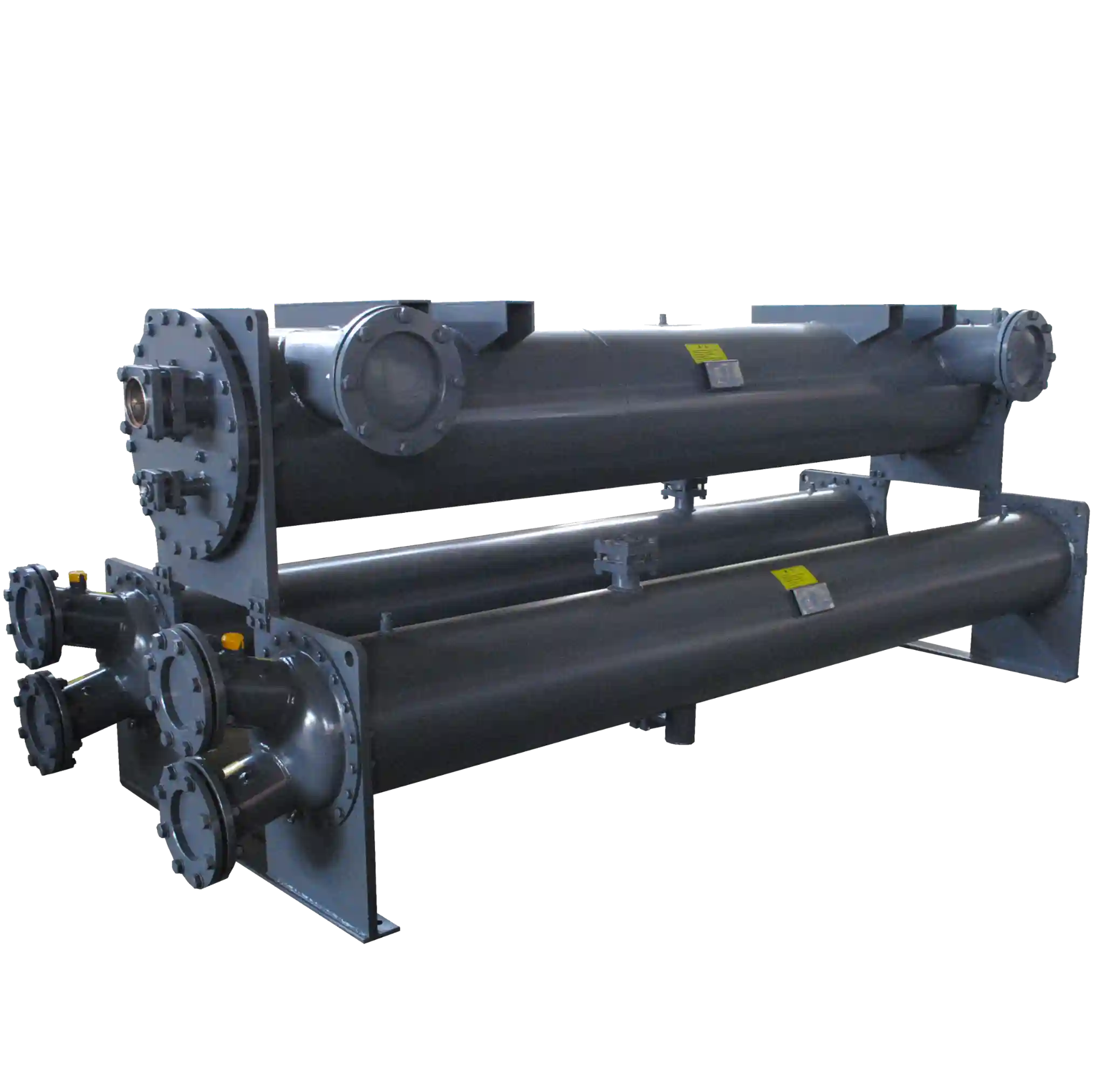
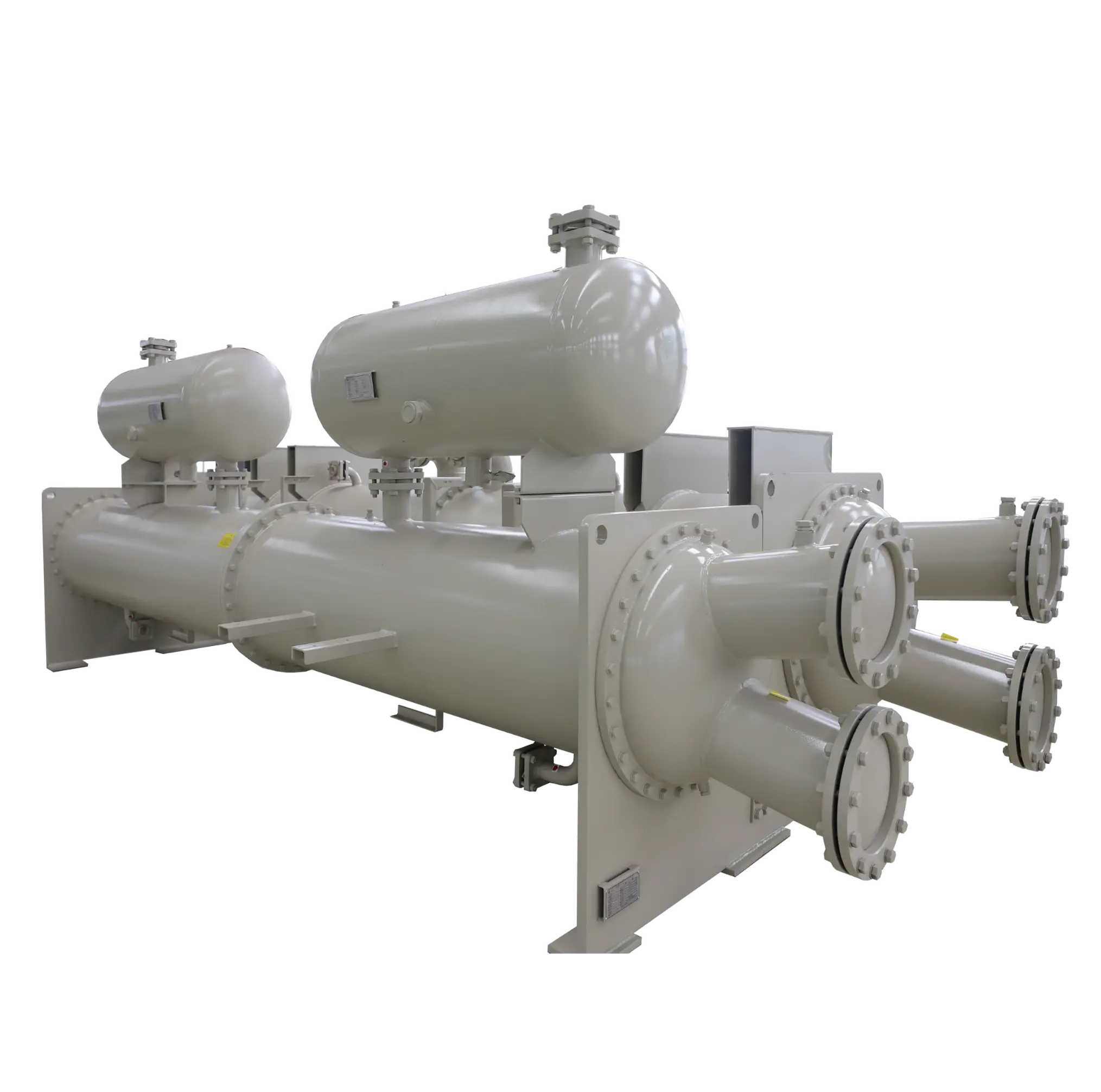
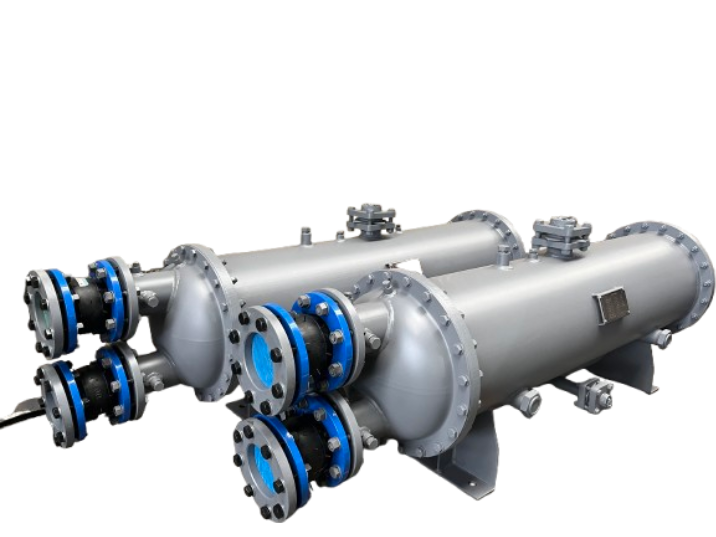
A condenser is a heat transfer device that converts vapour or gas into liquid by removing heat from the medium. It is an essential component of refrigeration systems, power stations, chemical processing equipment and industrial cooling systems.
During operation, hot vapour enters the condenser and releases heat to a cooling medium, such as air, water or another fluid. The type of cooling medium used depends on operating conditions, cooling requirements, space limitations, and system design. The type selected depends on operating conditions, cooling requirements, space limitations, and system design.
Thanks to their efficient heat transfer performance, reliable operation, and flexible design options, condensers are widely used to improve energy efficiency and maintain stable performance in various industrial systems.
Condenser Applications
- Refrigeration and air conditioning
Condensers are widely used in chillers, air conditioners, refrigeration units, and cold storage systems to release heat from refrigerant vapour, thereby completing the cooling cycle.
- Power generation industry
They are used in steam turbines and power plants to condense exhaust steam into water, thereby improving energy recovery and system efficiency.
- Chemical and petrochemical industry
Condensers are used in chemical processing for vapour condensation, solvent recovery and temperature control during production processes.
- Food and beverage industry
They are used in cooling systems, evaporation processes and refrigeration equipment to maintain product quality and production efficiency.
- Industrial cooling systems
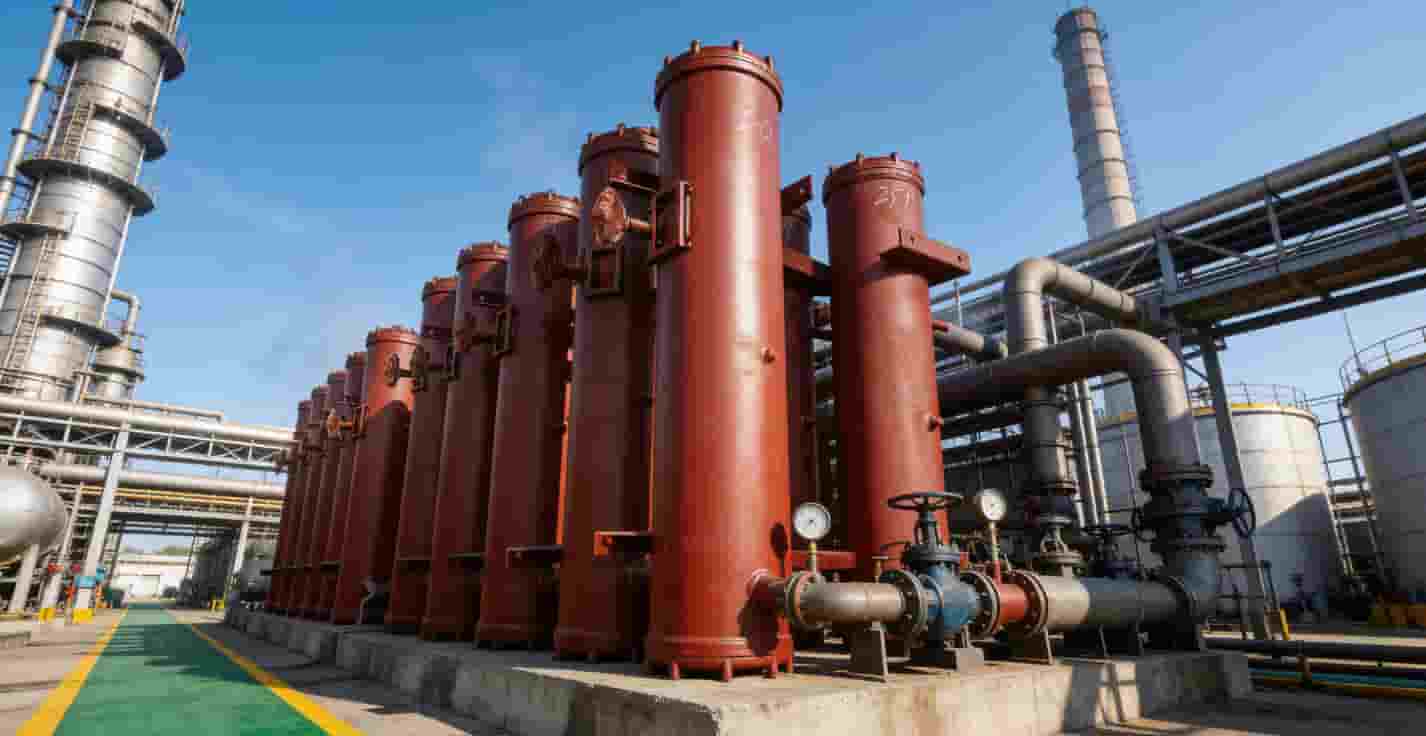
Condensers are commonly installed in manufacturing facilities, data centres and industrial plants to remove heat and manage thermal processes.
Condenser Cleaning Guide
Regular cleaning of condensers is essential for maintaining heat transfer efficiency, reducing energy consumption and extending the service life of equipment.
- Identify fouling types
Before cleaning, determine the type of contamination present, such as:
Scale deposits
- Dust and dirt accumulation
- Oil contamination
- Corrosion products
- Biological growth
Selecting the correct cleaning method will help you to achieve better results.
- Mechanical cleaning
Common mechanical cleaning methods include:
- Tube brushing: removes deposits from condenser tubes.
- High-pressure water cleaning: Clears dirt and loose scale.
- Air cleaning: This removes dust and debris from air-cooled condenser fins.
Mechanical cleaning is suitable for regular maintenance and light contamination.
- Chemical cleaning is used to remove stubborn deposits
Acid cleaning removes mineral scale and calcium deposits.
Alkaline cleaning removes oil and organic contaminants.
Specialised cleaners are used to treat specific fouling problems.
Cleaning chemicals should be selected according to the materials of the condenser to avoid corrosion damage.
- Inspect condenser components.
After cleaning, check:
- Tube condition
- Leakage points
- Corrosion damage
- Fin condition
- Heat transfer performance
Early detection of problems helps prevent unexpected equipment downtime.
- Implement regular maintenance plans
A proper condenser maintenance schedule should include the following:
- Periodic cleaning
- Performance monitoring
- Cooling efficiency checks
- Inspection of connections and seals
Regular maintenance helps to improve system efficiency, reduce operating costs, and extend the condenser’s lifespan