Top heat exchanger tubes supplier
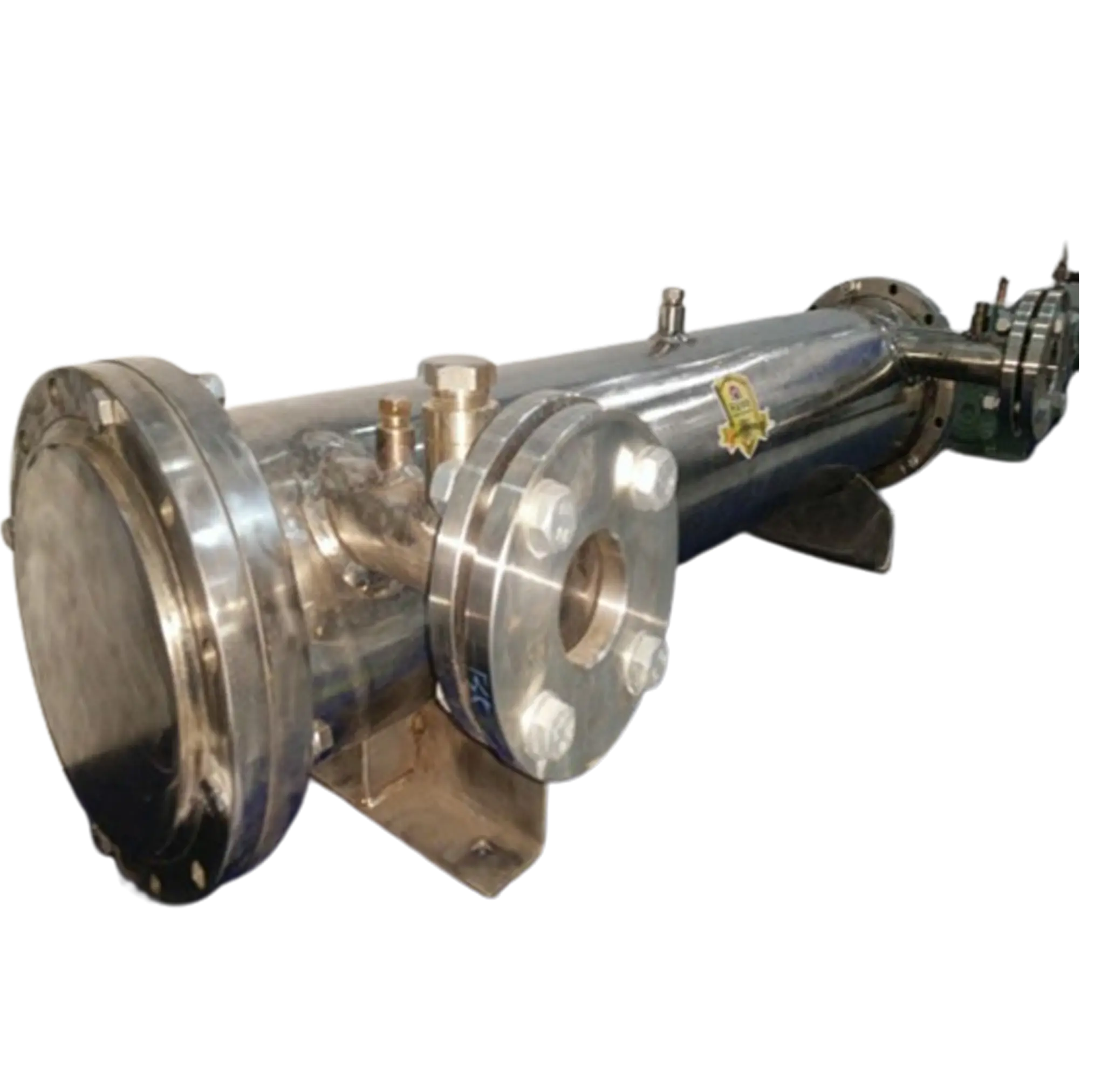
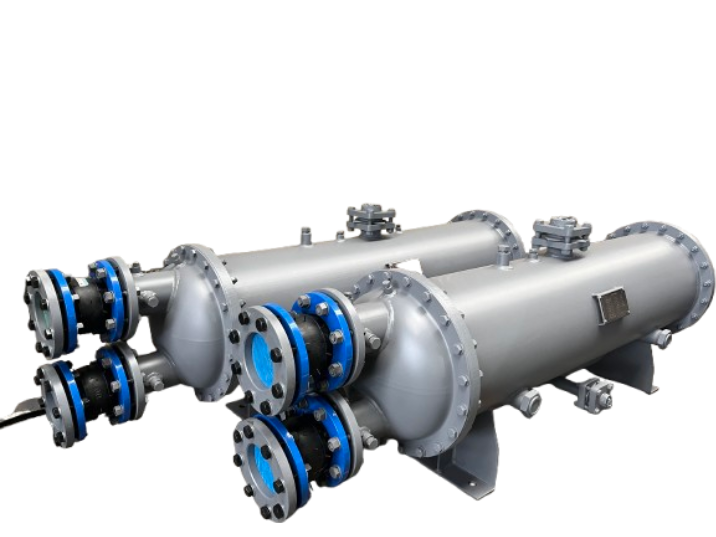
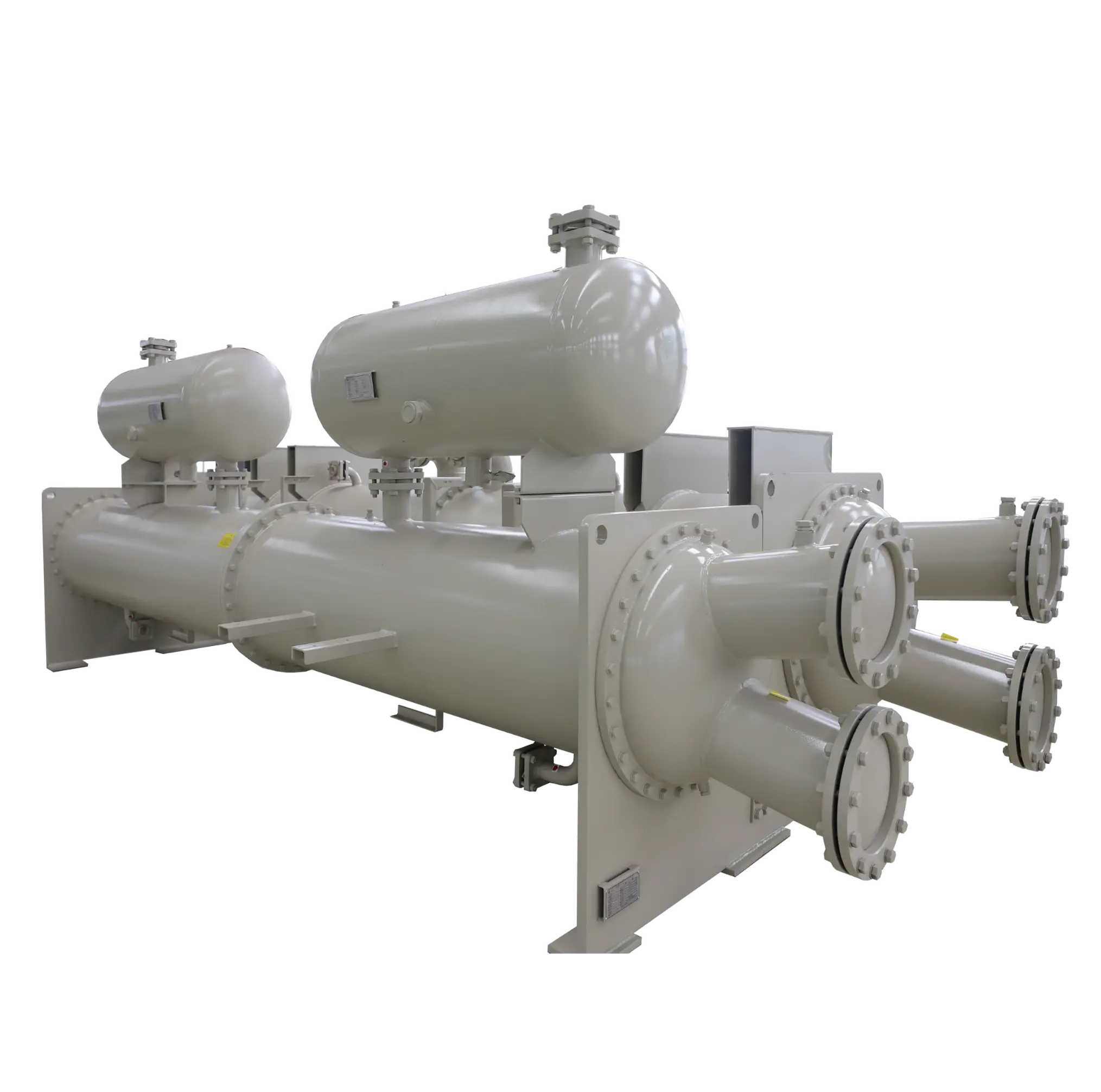
Heat exchanger tubes are a key component of heat transfer equipment, facilitating the transfer of thermal energy between two fluids while preventing them from mixing directly. They are typically installed in shell-and-tube heat exchangers, boilers, condensers, and other thermal processing systems.
During operation, one fluid flows inside the tubes while another passes around the outside. Heat is transferred through the tube wall based on the temperature difference between the two fluids. Heat exchanger tubes are typically made from corrosion-resistant materials such as stainless steel, carbon steel, copper, titanium and nickel alloys to withstand different temperature, pressure and chemical conditions.
Thanks to their excellent heat transfer efficiency, mechanical strength and corrosion resistance, heat exchanger tubes play an essential role in industries requiring reliable thermal management.
Heat Exchanger Tubes Applications
- Oil and gas industry
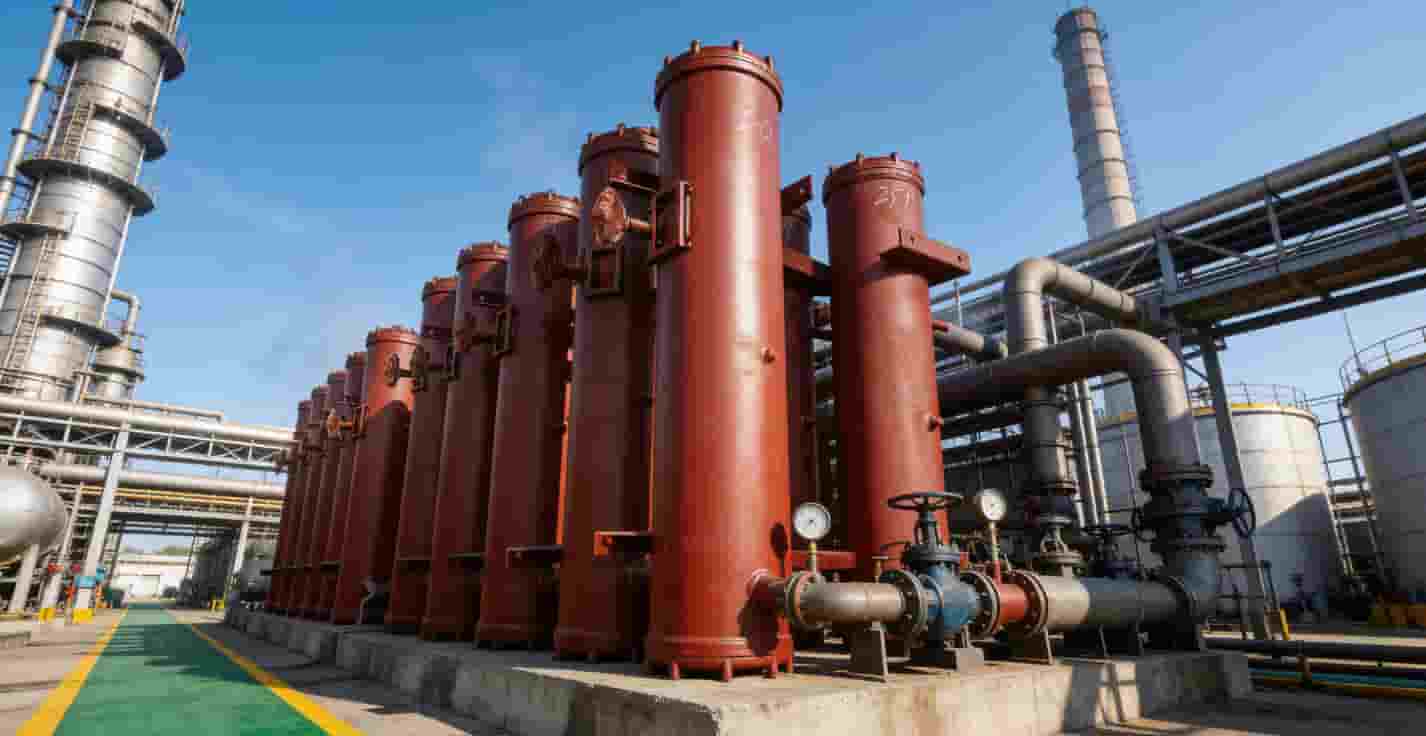
Heat exchanger tubes are widely used in refineries, petrochemical plants, and processing facilities for cooling oil, heating gas, condensation, and heat recovery systems.
- Chemical industry
They are used in chemical reactors, condensers, evaporators and process heating systems, where resistance to corrosive substances is required.
- Power generation
Heat exchanger tubes are commonly used in boilers, steam condensers, feedwater heaters and cooling systems in power stations.
- HVAC and refrigeration
They are used in chillers, air conditioning systems and industrial cooling equipment to facilitate efficient heat exchange.
- Food and pharmaceutical industry
Heat exchanger tubes are used in processes such as heating, cooling, sterilisation and temperature control where hygiene and reliability are important.
Heat Exchanger Tubes Cleaning Guide
Regularly cleaning the heat exchanger tubes helps to maintain heat transfer efficiency and extend the service life of the equipment.
- Identify fouling type
Before cleaning, determine the type of deposits present, such as:
Scale buildup
- Oil and grease contamination
- Rust and corrosion products
- Biological deposits
The cleaning method should match the fouling condition.
- Mechanical cleaning
Common mechanical cleaning methods include:
- Tube brushing: uses brushes to remove soft deposits inside tubes.
- High-pressure water cleaning: Uses water jets to remove dirt and scale.
- Tube scraping: Suitable for removing harder deposits.
Mechanical cleaning is often used for routine maintenance and non-corrosive deposits.
- Chemical cleaning
Chemical cleaning uses specially selected cleaning solutions to dissolve deposits.
- Acid cleaning for mineral scale
- Alkaline cleaning for oil and organic contaminants
- Specialised chemicals for corrosion deposits
Chemical cleaning should be performed carefully to avoid damaging the materials of the tubes.
- Inspect tubes after cleaning
After cleaning, check for:
- Tube surface condition
- Leakage problems
- Wall thickness loss
- Corrosion damage
- Heat transfer performance
Non-destructive testing methods, such as eddy current testing, can be used for a more detailed inspection.
- Establish regular maintenance plans
A proper maintenance schedule should include:
- Periodic tube inspection
- Fouling monitoring
- Cleaning frequency adjustment
- Performance testing
Regular maintenance helps to reduce energy consumption, improve heat transfer efficiency, and prevent unexpected equipment downtime.