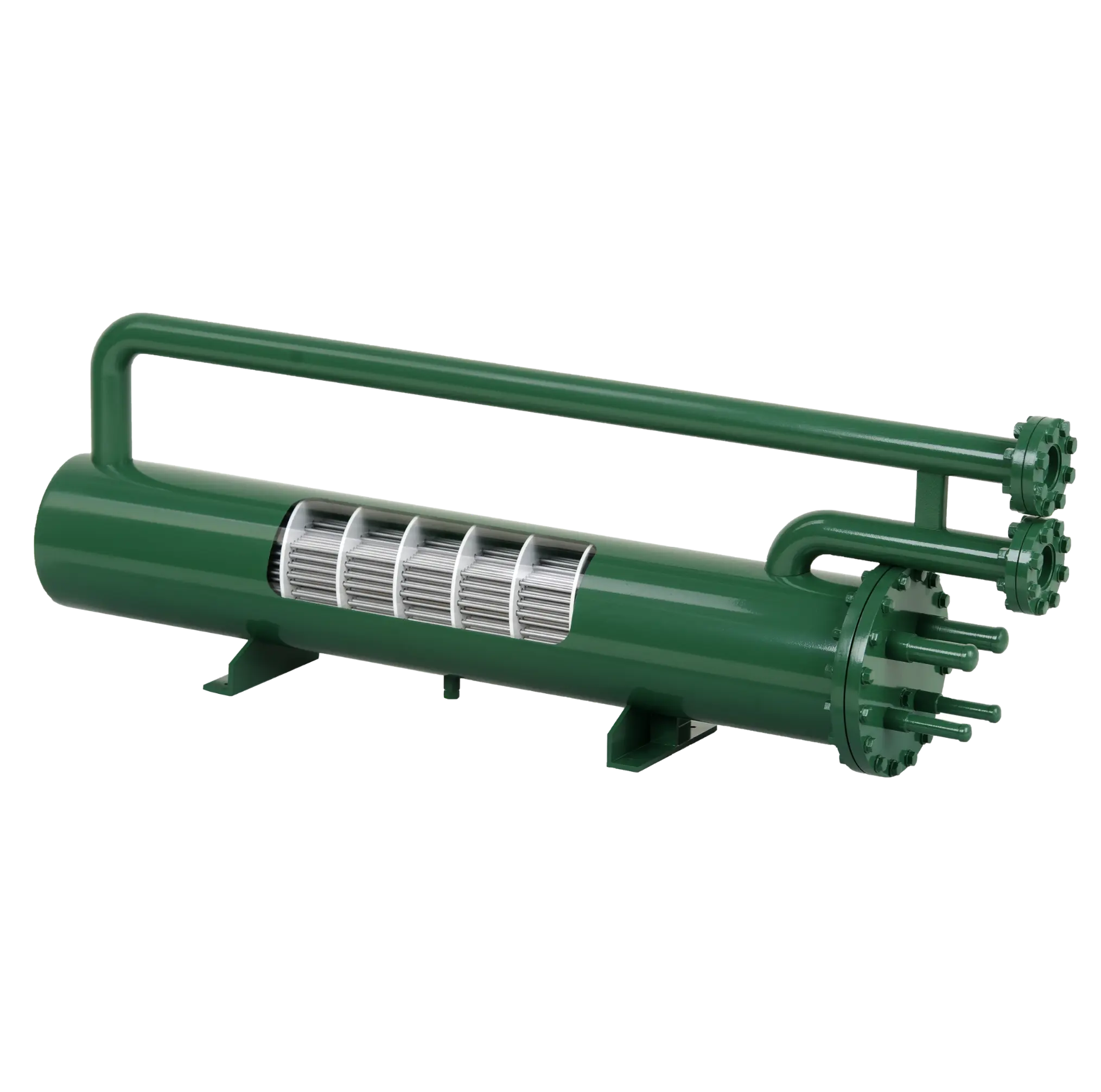
China Heat exchanger bank supplier
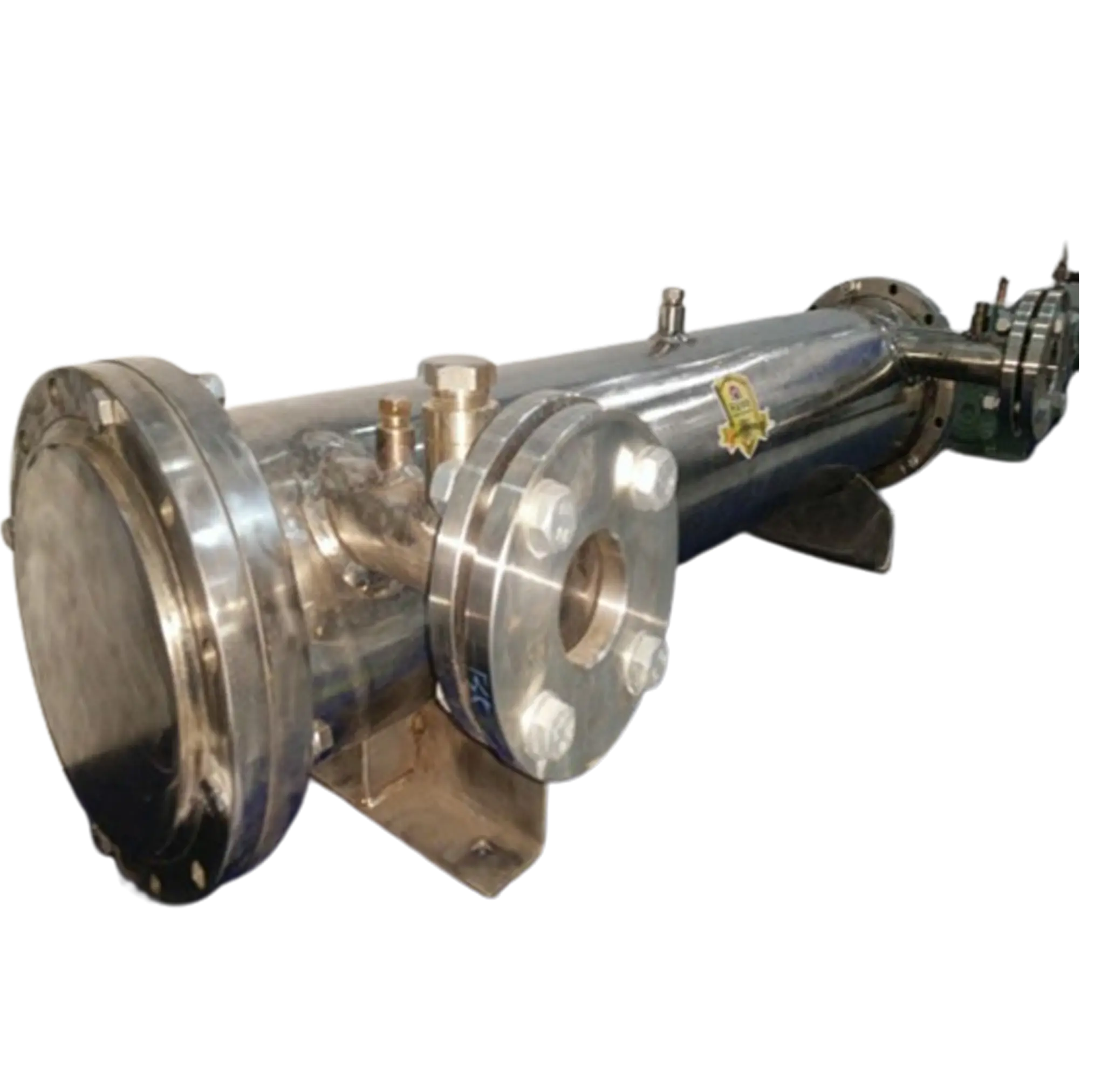
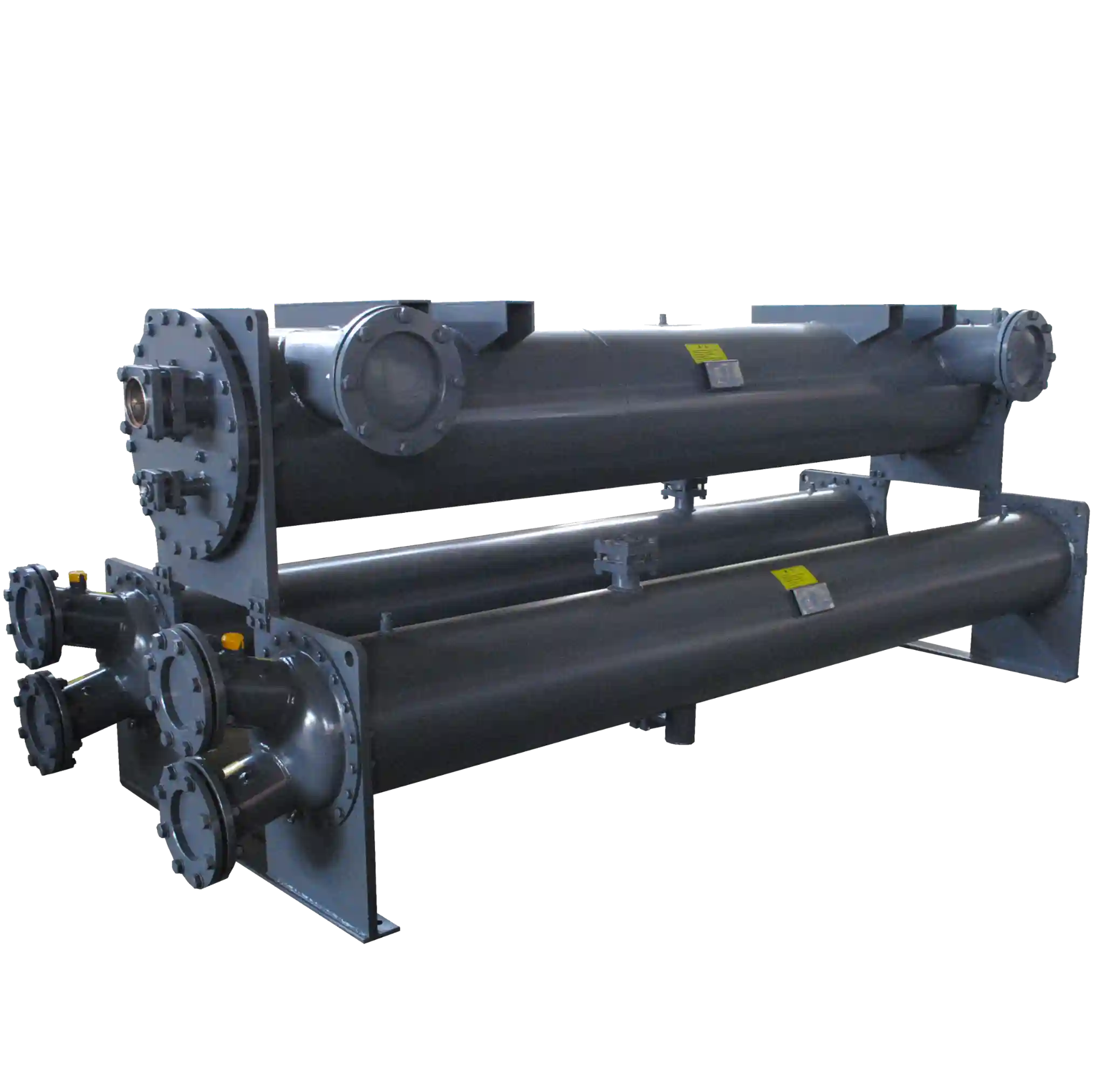
A heat exchanger bank comprises multiple heat exchanger units or tube bundles arranged together to provide efficient heat transfer in large-scale industrial systems. Combining multiple heat transfer modules enables a heat exchanger bank to handle higher fluid flow rates, increase heat exchange capacity, and improve system flexibility.
Heat exchanger banks typically comprise heat exchanger tubes, fins, headers, frames and supporting structures. They are designed according to specific operating conditions, including temperature, pressure, fluid type and required heat transfer capacity.
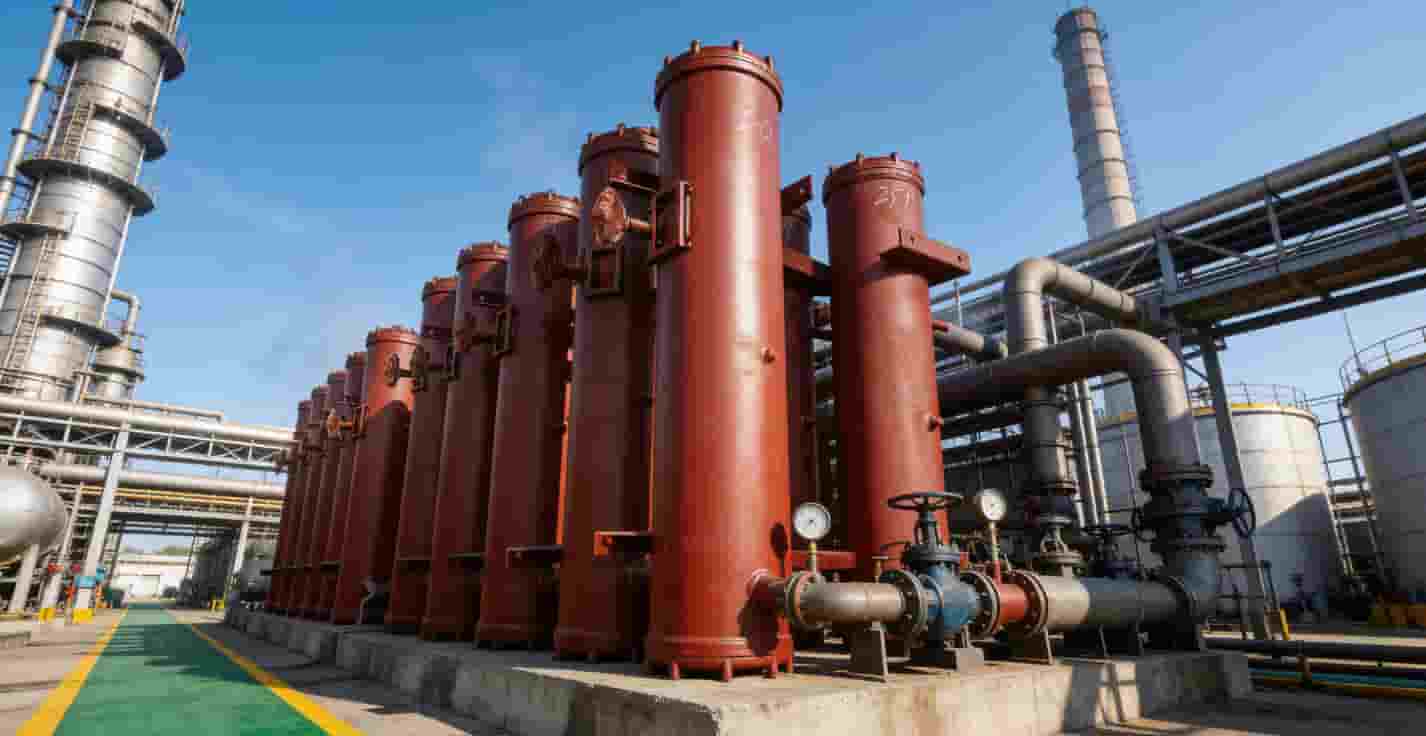
Thanks to their high efficiency, scalability and reliable performance, heat exchanger banks are widely used in HVAC systems, power plants, industrial cooling systems, refrigeration equipment and various process industries.
Heat Exchanger Bank Applications
- Heat Exchanger Banks for HVAC and Building Cooling Systems
Heat exchanger banks are widely used in air handling units, chillers, cooling towers, and large commercial HVAC systems to provide efficient heating and cooling.
- Power generation industry
They are used in power plants for cooling systems, heat recovery units and thermal management equipment, improving energy efficiency.
- Industrial cooling systems
Heat exchanger banks are commonly used in manufacturing plants, chemical facilities and industrial processes where a high heat transfer capacity is required.
- Refrigeration industry
They are used in refrigeration systems, cold storage facilities and industrial cooling equipment to enable efficient temperature control.
- Oil, gas and petrochemical industry
Heat exchanger banks support process cooling, gas treatment and heat recovery applications in challenging industrial environments.
Heat Exchanger Bank Maintenance
Proper maintenance helps to maintain the efficiency of heat transfer and extends the service life of heat exchanger banks.
- Regular inspection
Inspect the tubes, fins, headers and supporting structures for:
- Corrosion
- Leakage
- Mechanical damage
- Blockages
- Cleaning of tubes and fins
Dust, scale and contaminants can reduce heat transfer efficiency. Regular cleaning helps to maintain proper airflow and fluid circulation.
- Check for leakage
Inspect connections, joints, and sealing areas to identify potential leaks and prevent system failure.
- Monitor operating performance
Track key operating parameters such as:
- Inlet and outlet temperatures
- Pressure drop
- Flow rates
- Heat transfer efficiency
Abnormal changes may indicate fouling or component damage.
- Repair or replace damaged parts
Promptly repair or replace damaged tubes, fins, seals, or structural components to ensure safe and efficient operation.