Customized pressure vessel components
A pressure vessel is a specially designed container used for storing, processing, or transporting gases, liquids, or other substances under high-pressure or high-temperature conditions. They are engineered using advanced manufacturing processes and high-strength materials to safely withstand internal pressure while ensuring reliable operation.
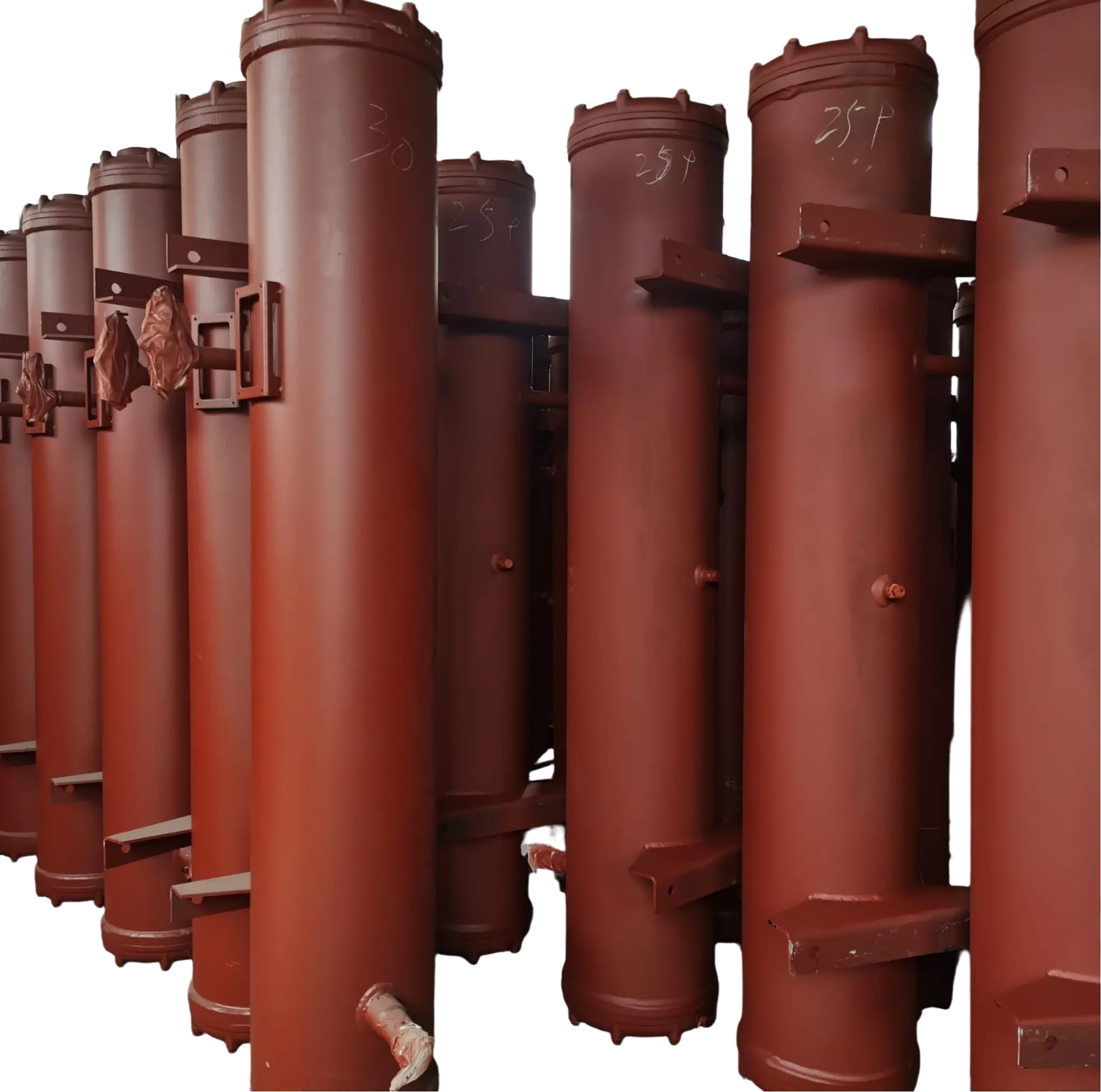
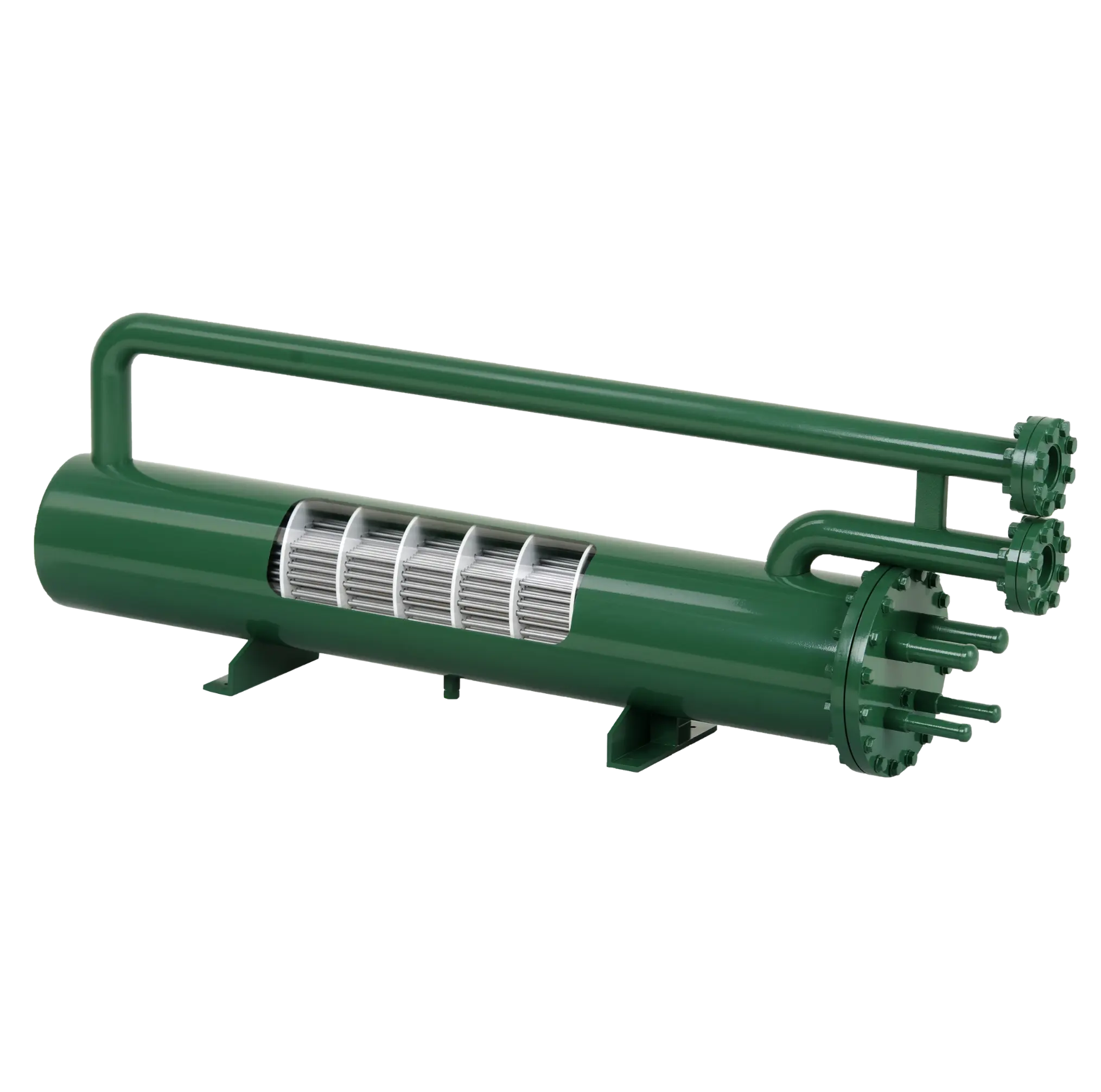
Pressure vessels typically consist of key components such as the shell, heads, nozzles, flanges, pressure relief devices and support structures. Depending on their intended use, pressure vessels can be classified as storage vessels, heat exchangers, reactors, boilers or process vessels.
Thanks to their excellent pressure resistance, durability and safety performance, pressure vessels are widely used in various industries, including oil and gas, chemical processing, power generation, food processing and pharmaceutical manufacturing.
Pressure Vessel Applications
- Oil and gas industry
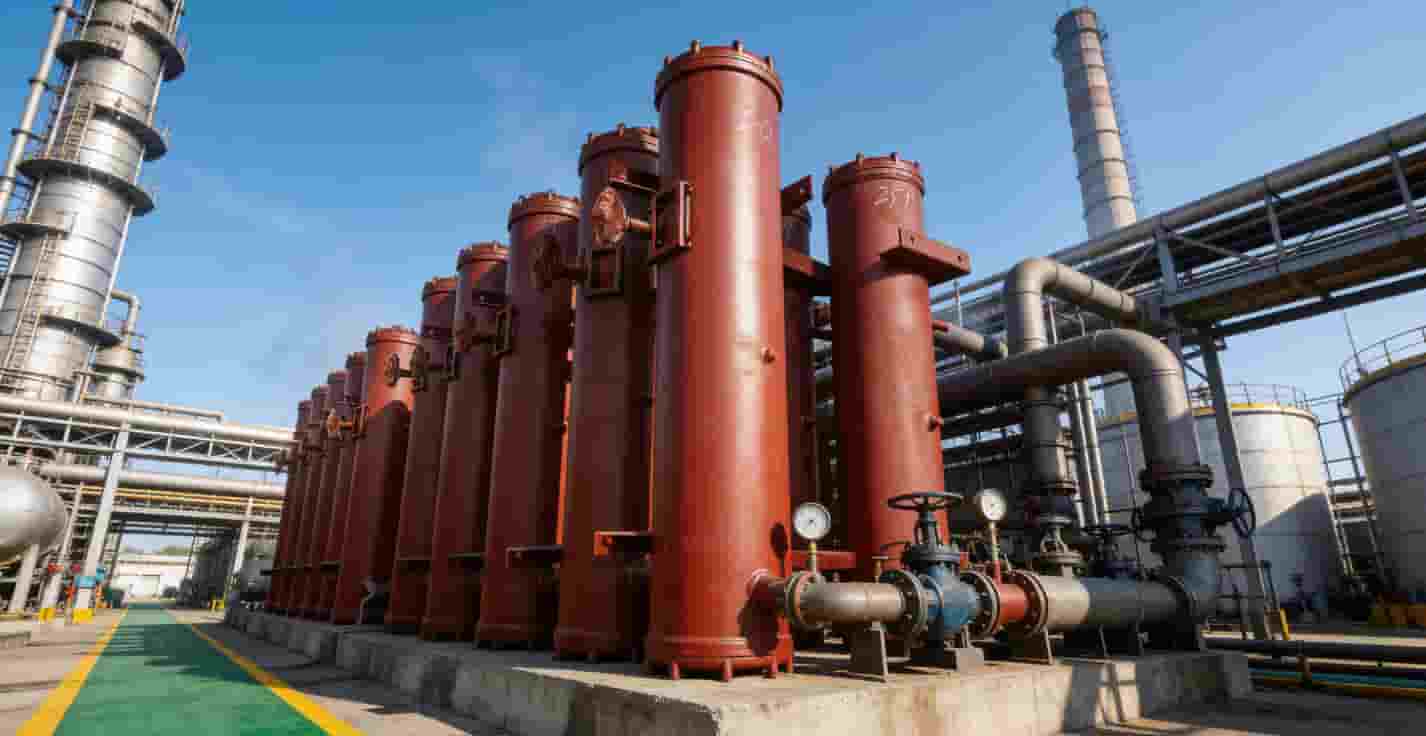
Pressure vessels are widely used in refineries and petrochemical plants for gas storage, separation equipment, oil processing, and high-pressure fluid handling.
- Chemical and petrochemical industry
Pressure vessels are commonly used in reactors, separators, storage tanks and processing equipment to handle chemicals under controlled pressure and temperature conditions.
- Power generation industry
Pressure vessels are used in boilers, steam systems, condensers and other power plant equipment that requires safe pressure management.
- Food and pharmaceutical industry
Pressure vessels are used in sterilisation equipment, mixing tanks, storage vessels and processing systems where hygiene and pressure control are essential.
- Industrial gas storage
Pressure vessels are widely used for storing compressed gases, such as oxygen, nitrogen, and hydrogen, in industrial facilities.
Pressure Vessel Maintenance
To ensure the safety, reliability, and long service life of pressure vessels, proper maintenance is essential.
- Regular inspection
Inspect the vessel body, weld joints, connections, and accessories regularly to identify corrosion, cracks, deformation, or other potential issues.
- Corrosion monitoring
Check internal and external surfaces for corrosion, especially when handling corrosive chemicals or operating in humid environments.
- Pressure testing
Conduct periodic pressure tests and safety inspections according to industry standards to verify structural integrity.
- Safety valve inspection
Regularly check pressure relief valves and safety devices to ensure they function correctly during abnormal pressure conditions.
- Cleaning and maintenance
Remove internal deposits, scale, and contaminants to maintain operating efficiency and prevent material degradation.
- Component replacement
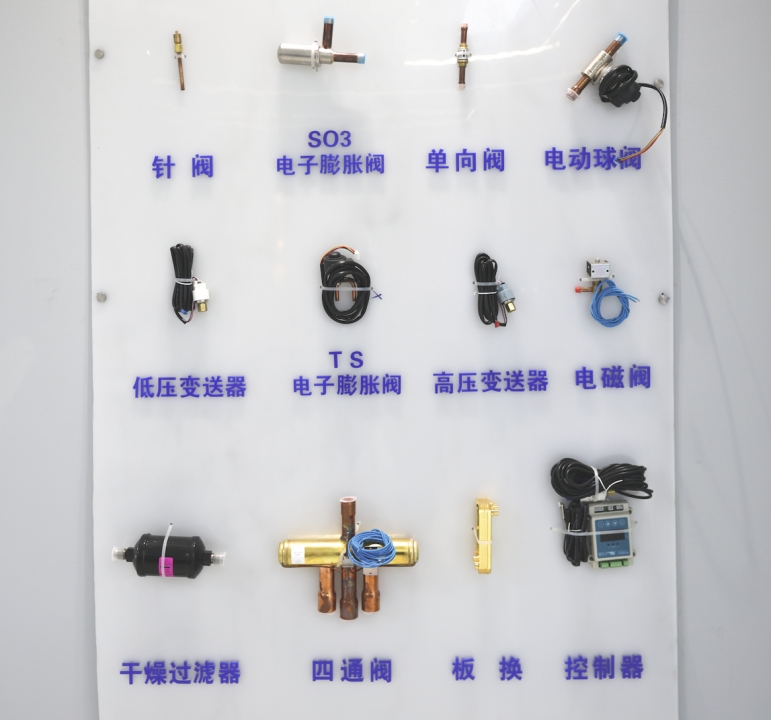
Replace damaged gaskets, seals, valves, or other worn components promptly to prevent leakage and ensure safe operation.