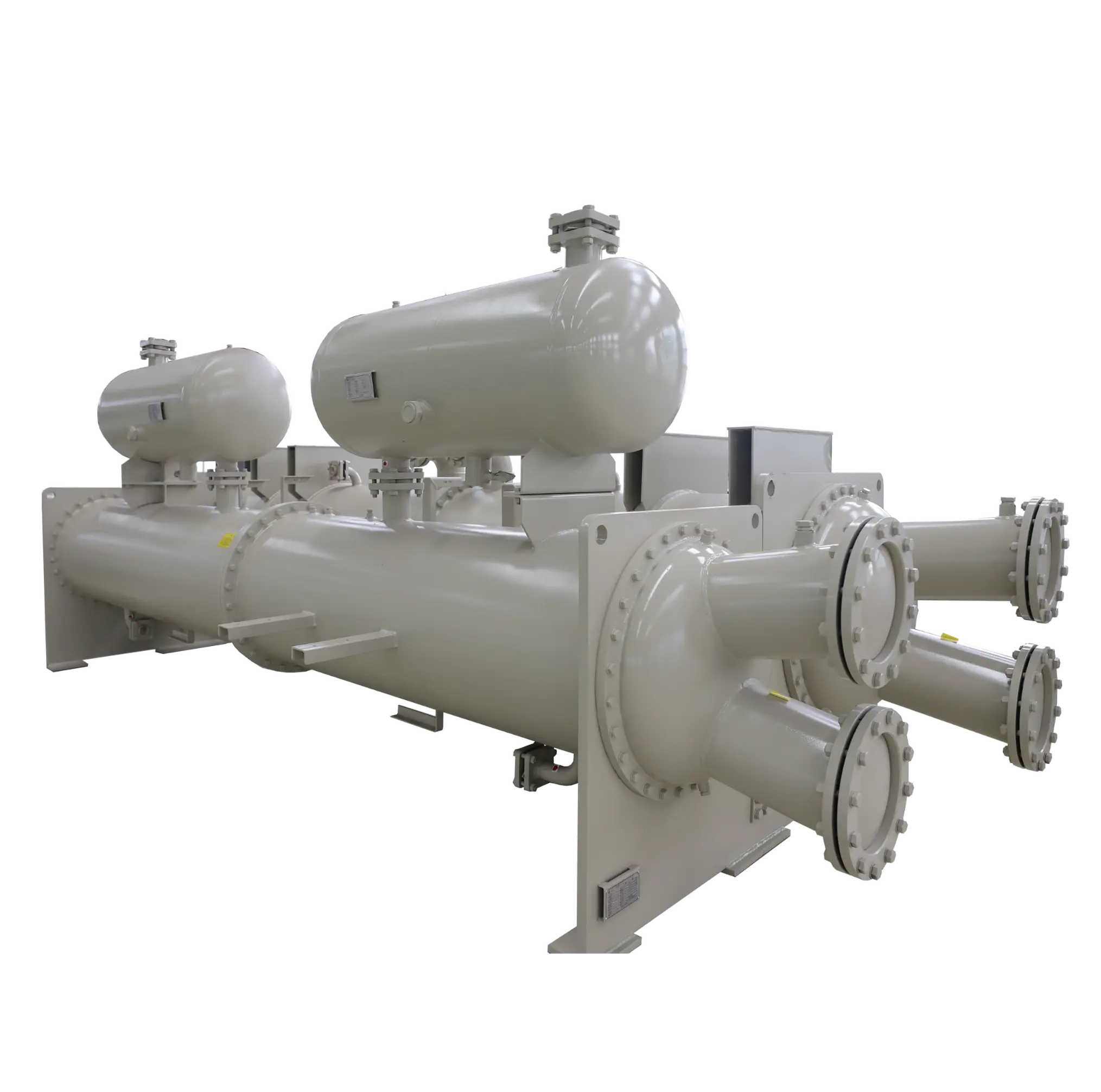
Best evaporator supplier
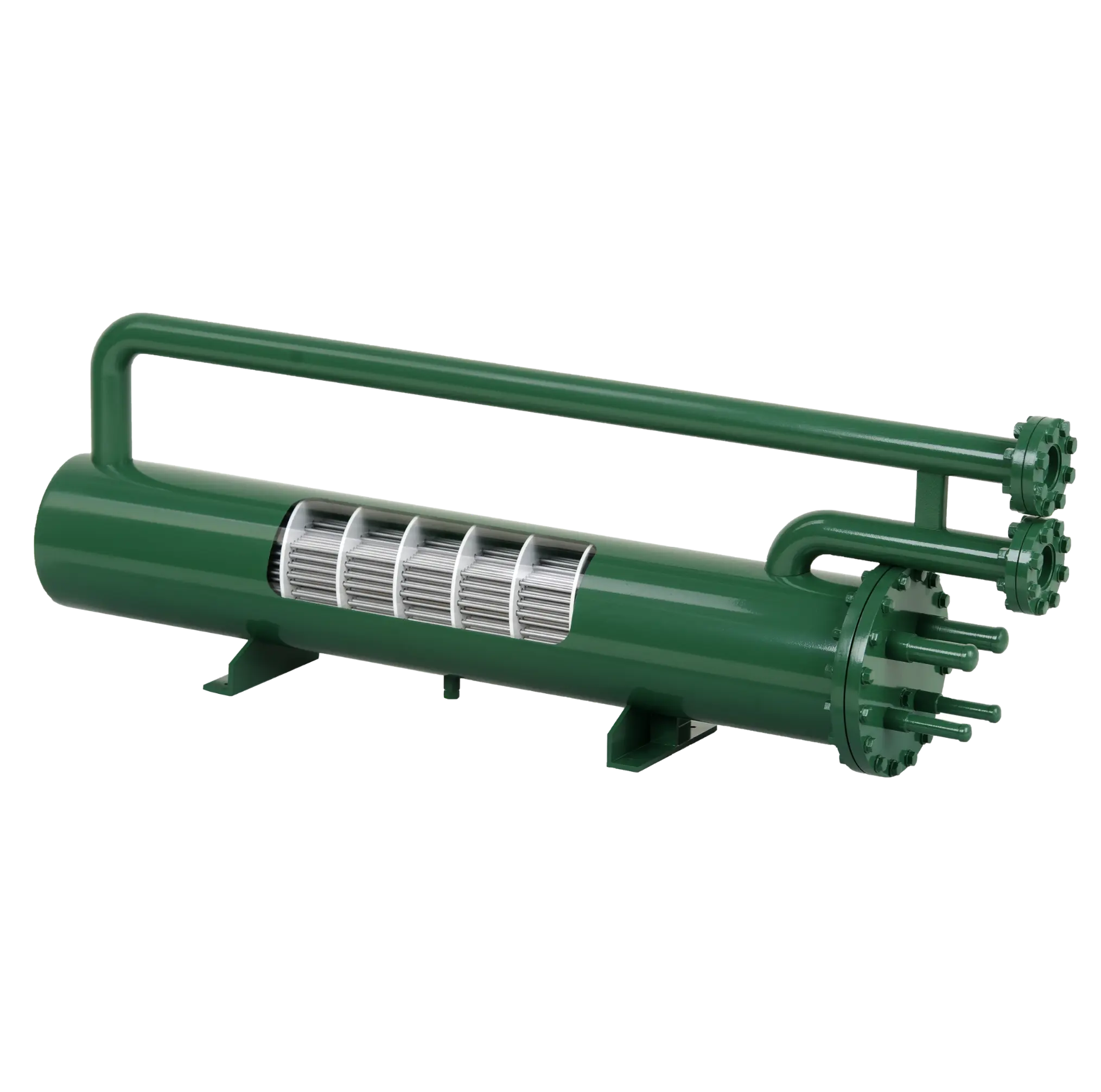
An evaporator is a heat transfer device that converts liquid into vapour by absorbing heat from its surroundings. It is an essential component in refrigeration systems, air conditioning systems, chemical processing systems, food production systems, and industrial concentration systems.
In refrigeration systems, the evaporator absorbs heat from the cooled space or product, causing the refrigerant inside the evaporator tubes to evaporate and produce a cooling effect. In industrial processes, evaporators are used to remove solvents or water from solutions to increase their concentration.
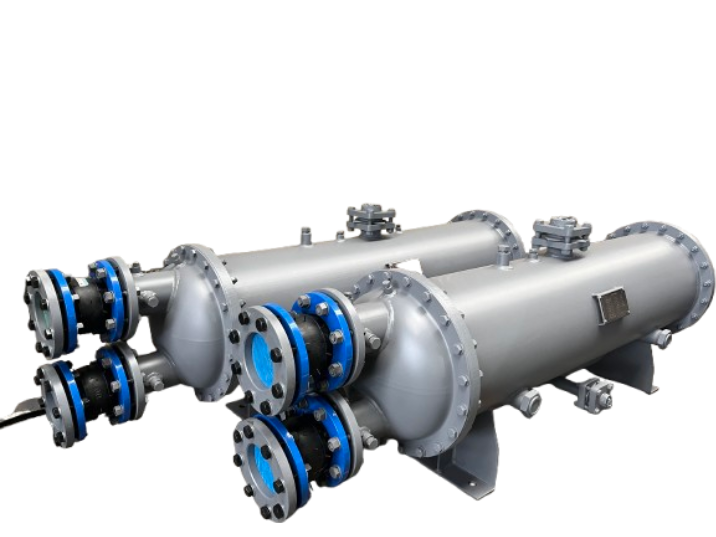
Common types of evaporators include shell-and-tube evaporators, plate evaporators, falling-film evaporators, rising-film evaporators, and forced-circulation evaporators. The type selected depends on factors such as the characteristics of the fluid, the required heat transfer, the operating temperature and the production capacity.
Evaporators play a critical role in energy management and process optimisation across various industries thanks to their high heat transfer efficiency and reliable operation.
Evaporator Applications
- Refrigeration and air conditioning
Evaporators are widely used in chillers, air conditioning units, cold storage systems, and refrigeration equipment to absorb heat and provide cooling.
- Food and beverage industry
Evaporators are used to concentrate milk, juice, sauces and other food products while maintaining quality and improving storage efficiency.
- Chemical industry
Evaporators are used in chemical processing to concentrate solutions, recover solvents and separate components through evaporation.
- Pharmaceutical industry
Evaporators are used for liquid concentration, purification processes and solvent recovery, where precise temperature control is required.
- Wastewater treatment
Industrial evaporators reduce the volume of wastewater by removing water and recovering valuable materials from industrial solutions.
Evaporator Cleaning Guide
Regular cleaning of the evaporator is essential for maintaining heat transfer efficiency, reducing energy consumption, and extending the service life of the equipment.
- Identify contamination types
Before cleaning, determine the type of deposits, including:
- Mineral scale
- Organic residues
- Oil contamination
- Biological growth
- Product buildup
The cleaning method should be selected according to the fouling characteristics.
- Mechanical cleaning
Mechanical cleaning methods include:
- Tube brushing to remove soft deposits
- High-pressure water cleaning to remove dirt and scale
- Scraping tools to remove hard deposits
These methods are commonly used for accessible evaporator surfaces.
- Chemical cleaning
Chemical cleaning is widely used for removing difficult deposits.
- Acid solutions dissolve mineral scale.
- Alkaline cleaners remove organic residues.
- Specialised cleaning agents address specific contaminants.
The cleaning chemicals must be compatible with the materials of the evaporator to prevent corrosion.
- Rinse and inspection after cleaning
After cleaning, thoroughly rinse the evaporator and check the following:
- Tube and plate surface condition
- Leakage points
- Corrosion damage
- Heat transfer performance
Regular inspection helps to identify potential problems before equipment failure occurs.
- Establish a maintenance schedule
A proper cleaning schedule should consider the following:
- Operating hours
- Fluid quality
- Fouling rate
- Production conditions
Routine maintenance helps to maintain stable cooling performance, reduce operating costs, and improve equipment reliability.